
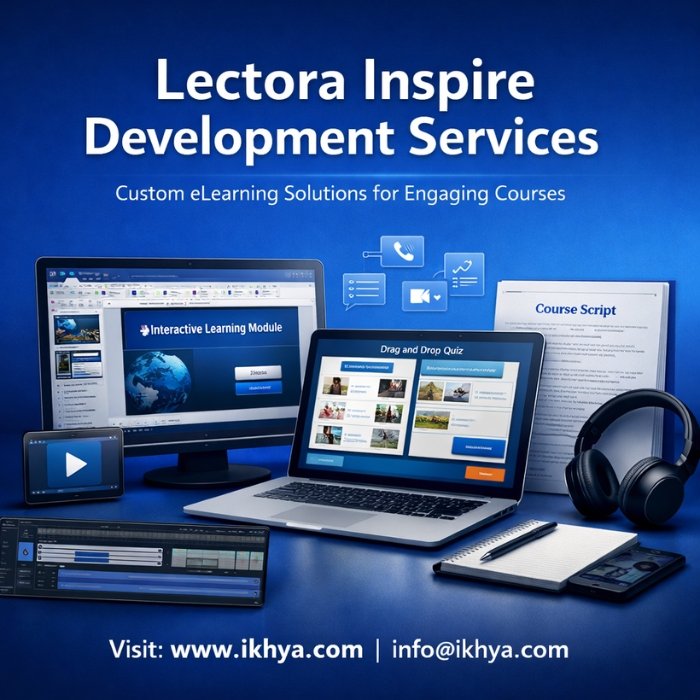


Lectora Inspire Development Services
Organizations often struggle to deliver scalable digital training that works across devices, complies with accessibility standards, and integrates smoothly with enterprise learning platforms. IKHYA – eLearning Solutions Company provides expert Lectora Inspire development services to help companies build interactive, responsive, and LMS-compatible training programs for global workforces.
From compliance training to complex system simulations, our team designs enterprise-grade courses using Lectora Inspire aligned with modern learning strategies.
Request a proposal or schedule a consultation at info@ikhya.com
Get a Free eLearning Consultation or Proposal
Every organization has different learning challenges. Some need rapid course development. Others require complex enterprise training programs integrated with their LMS ecosystem.
IKHYA provides a free consultation to evaluate your training requirements and recommend the right eLearning development approach.
During the consultation we help you:
- Define training objectives
- Identify the right instructional strategy
- Determine the best authoring tool
- Estimate development timeline
- Understand project costs
- Ensure LMS compatibility
- Plan enterprise deployment
What You Can Expect
Our consultation typically covers:
Training Needs Assessment
- Audience analysis
- learning objectives
- performance gaps
Technology Evaluation
We review compatibility with:
- Learning Management System
- SCORM
- xAPI
- mobile learning platforms
Instructional Strategy
We design training using proven frameworks such as:
- ADDIE Model
- Bloom's Taxonomy
- Kirkpatrick Model
These frameworks ensure training improves knowledge retention, employee performance, and measurable learning outcomes.
Who Should Request a Consultation
This consultation is valuable for:
- Corporate L&D teams planning digital training
- HR departments building onboarding programs
- IT teams implementing LMS platforms
- Compliance leaders delivering regulatory training
- Organizations migrating from legacy training systems
When to Contact IKHYA
You should consider contacting IKHYA if your organization needs:
- custom Lectora eLearning development
- responsive mobile training
- accessibility-compliant courses
- LMS-compatible training content
- enterprise-scale training programs
- conversion of instructor-led training to eLearning
Our team will guide you through the entire development process—from concept to deployment.
Request your consultation today
IKHYA – eLearning Solutions Company
Email: info@ikhya.com
What is Lectora Inspire and How It Powers Enterprise eLearning
Lectora Inspire is a professional eLearning authoring tool used by enterprises to build interactive, responsive, and accessible digital training courses. It is widely used by corporate learning teams because it offers strong LMS compatibility, accessibility compliance, and advanced customization capabilities.
Unlike basic authoring tools, Lectora allows developers to create highly structured, scalable learning programs that integrate seamlessly with enterprise learning ecosystems.
Organizations often use Lectora to build:
- compliance training programs
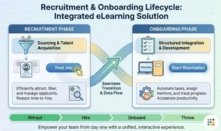
- onboarding courses
- software simulation training
- certification programs
- product knowledge training
- customer education courses
Because of its flexibility and standards compliance, Lectora is commonly used in large-scale corporate learning initiatives where performance tracking and system integration are critical.
Key Capabilities of Lectora Inspire
Lectora provides several features that make it suitable for enterprise-level digital training development.
Responsive Course Design
Courses built in Lectora automatically adapt to:
- desktops
- tablets
- smartphones
This supports mobile learning and remote workforce training.
Advanced Interactivity
Developers can build:
- branching scenarios
- decision-based simulations
- knowledge checks
- interactive assessments
These features improve learner engagement and retention.
Accessibility Compliance
Lectora is widely used to create WCAG-compliant training content, which is important for organizations that must meet accessibility regulations.
Accessibility features include:
- screen reader compatibility
- keyboard navigation
- alternative text support
- structured content hierarchy
LMS Integration
Courses built with Lectora are fully compatible with:
- SCORM
- xAPI
This ensures seamless deployment within enterprise **Learning Management System platforms.
Why Enterprises Choose Lectora for Training Development
Large organizations often select Lectora because it provides more control over course structure and compliance compared to many other authoring tools.
Key reasons enterprises choose Lectora include:
Strong Accessibility Features
Many industries such as government, healthcare, and finance require accessible training content. Lectora provides built-in features to support accessibility standards.
Scalable Course Development
Lectora supports large training programs with:
- multiple modules
- structured learning paths
- reusable templates
This makes it ideal for enterprise training academies and certification programs.
Integration Flexibility
Lectora courses integrate with:
- corporate LMS platforms
- learning experience platforms (LXP)
- digital adoption platforms
This flexibility helps organizations manage global training programs efficiently.
Advanced Customization
Developers can use variables, scripting, and custom interactions to create complex learning experiences, including:
- system simulations
- scenario-based learning
- performance-based training
When Lectora Inspire Is the Right Choice
Organizations typically choose Lectora development services when they need:
- enterprise-scale training programs
- accessibility-compliant courses
- complex branching scenarios
- system simulation training
- LMS-integrated certification programs
For many global companies, Lectora becomes the foundation technology for large digital learning ecosystems.
Why Organizations Invest in Lectora Inspire Development
Global organizations are under constant pressure to train employees faster, maintain compliance, and support digital transformation. Traditional classroom training alone cannot scale across large, distributed workforces.
This is why many companies invest in enterprise eLearning built with Lectora Inspire. The platform enables organizations to deliver structured, measurable, and accessible training across global teams.
Below are real-world scenarios showing why companies in different regions adopt Lectora-based training solutions.
USA — Compliance and Regulatory Training
Large companies in the United States operate under strict regulatory requirements. Industries such as healthcare, finance, and pharmaceuticals must deliver mandatory compliance training to thousands of employees every year.
Lectora is often used to develop:
- HIPAA compliance training
- workplace safety programs
- cybersecurity awareness training
- anti-harassment training
Because courses can be delivered through a corporate Learning Management System, organizations can track completion rates, certifications, and assessment scores.
Courses are typically packaged using:
- SCORM
- xAPI
This allows training teams to generate audit-ready compliance reports.
UK — Large-Scale Workforce Upskilling
Organizations in the UK are increasingly investing in digital workforce upskilling programs.
Manufacturing companies and financial institutions often use Lectora to build:
- digital skills training
- leadership development programs
- operational process training
- product knowledge programs
These courses are designed using scenario-based learning and interactive assessments to improve engagement and knowledge retention.
Large organizations may deploy 50–100 course modules within a single training initiative.
Australia — Remote Workforce Training
Australia has many organizations with geographically distributed teams, especially in sectors such as mining, construction, and energy.
Lectora enables companies to deliver training that works across multiple devices, supporting mobile learning for remote employees.
Typical courses include:
- safety training
- equipment operation training
- onboarding programs
- compliance certifications
Employees can complete courses on laptops, tablets, or mobile devices, ensuring training is accessible regardless of location.
UAE — Rapid Corporate Training Expansion
Companies in the UAE are investing heavily in corporate digital learning programs to support economic diversification and workforce development.
Many organizations use Lectora to develop training programs for:
- aviation operations
- banking compliance
- hospitality service training
- oil and gas safety training
Because Lectora supports multilingual content and localization, companies can train employees in multiple languages while maintaining consistent learning standards.
Key Business Problems Solved by Lectora Development
Organizations typically invest in Lectora development services to solve several training challenges:
1. Scaling Training Across Global Teams
Digital courses allow companies to train thousands of employees simultaneously.
2. Ensuring Regulatory Compliance
LMS tracking provides audit-ready training records.
3. Supporting Hybrid and Remote Workforces
Responsive courses enable training on any device.
4. Reducing Training Costs
Digital training reduces expenses related to:
- instructor travel
- classroom logistics
- printed materials
5. Improving Learning Engagement
Interactive learning methods such as:
- scenario-based training
- simulations
- knowledge checks
help improve learner retention and performance.
Organizations that adopt structured eLearning development using Lectora often see significant improvements in training scalability, compliance tracking, and workforce productivity.
Benefits of Lectora Inspire Development for Corporate Training
Organizations investing in Lectora-based eLearning development often see measurable improvements in training efficiency, knowledge retention, and compliance management. Because Lectora Inspire is designed for enterprise environments, it enables companies to build scalable and highly structured training programs.
Below are the key advantages organizations gain from using Lectora for corporate learning initiatives.
Scalable Training for Large Workforces
Large organizations must train hundreds or thousands of employees across different departments and locations.
Lectora enables companies to create structured learning programs with:
- multiple course modules
- role-based learning paths
- certification programs
- onboarding academies
Once deployed through a corporate Learning Management System, training can be delivered globally with consistent quality.
Strong LMS Compatibility and Tracking
Enterprise training requires accurate tracking of learner progress and performance.
Courses developed using Lectora support standards such as:
- SCORM
- xAPI
This allows organizations to track:
- course completion rates
- assessment scores
- certification status
- learner activity
Training managers can generate data-driven insights to measure learning outcomes.
Accessibility and Compliance Support
Many organizations must ensure training is accessible to all employees.
Lectora is widely recognized for its strong support for accessibility compliance, including WCAG guidelines.
Accessibility features include:
- screen reader compatibility
- keyboard navigation
- alternative text for visuals
- structured page hierarchy
This makes Lectora a preferred tool for organizations in government, healthcare, and regulated industries.
Advanced Interactive Learning Experiences
Modern learners engage more with interactive content than with passive slide-based training.
Using Lectora, developers can create:
- scenario-based learning modules
- branching decision simulations
- interactive assessments
- system walkthrough simulations
These learning strategies align with instructional design frameworks such as:
- ADDIE Model
- Bloom's Taxonomy
This approach ensures that training programs are instructionally sound and aligned with learning objectives.
Mobile and Responsive Learning
Modern employees access training from multiple devices.
Lectora enables developers to create responsive courses that work across:
- desktop computers
- tablets
- smartphones
This supports mobile learning and remote workforce training, which has become essential for many global organizations.
Faster Course Updates and Maintenance
Corporate training content often changes due to:
- regulatory updates
- product releases
- operational process changes
Lectora allows organizations to update course content quickly without rebuilding entire programs. This flexibility helps training teams keep learning materials current and relevant.
Support for Complex Enterprise Training Programs
Many organizations require training programs that go beyond simple slide-based courses.
Lectora supports complex training structures such as:
- multi-module certification programs
- software system simulations
- compliance training with assessments
- onboarding programs for global employees
Because of its flexibility and standards compliance, Lectora is often used to build enterprise learning ecosystems that support long-term workforce development.
Real Enterprise Lectora Development Project Examples
Enterprise organizations often require structured, scalable digital training programs that support thousands of learners. Using Lectora Inspire, companies can build interactive learning modules that integrate with their corporate Learning Management System and provide measurable training outcomes.
Below are realistic examples of enterprise projects delivered using Lectora-based development.
Example 1 — ERP System Training Simulation
Client: Global Manufacturing Company
Industry: Manufacturing
Many manufacturing organizations deploy complex ERP platforms that require structured employee training.
Project Scope
- Training for ERP workflow processes
- Interactive software simulations
- Scenario-based troubleshooting exercises
Project Details
| Element | Details |
|---|---|
| Number of modules | 30 |
| Module duration | 5–7 minutes |
| Training format | Software simulation + scenario learning |
| Development timeline | 10–12 weeks |
| Estimated cost | $40,000 – $75,000 |
Courses were delivered through the company LMS using:
- SCORM tracking
- interactive assessments
- role-based learning paths
Example 2 — Banking Compliance Training Program
Client: International Banking Group
Industry: Financial Services
Banks must deliver compliance training regularly to meet regulatory requirements.
Project Scope
- anti-money laundering training
- risk management training
- regulatory compliance certification
Project Details
| Element | Details |
|---|---|
| Number of modules | 20 |
| Module duration | 6–8 minutes |
| Training format | scenario-based training |
| Development timeline | 8–10 weeks |
| Estimated cost | $30,000 – $55,000 |
Courses were built using branching scenarios and interactive assessments to improve learner engagement.
Training completion and certification were tracked using:
- xAPI
- LMS reporting dashboards
Example 3 — Healthcare Safety Training Program
Client: Regional Healthcare Network
Industry: Healthcare
Healthcare organizations require continuous training on safety protocols and compliance standards.
Project Scope
- patient safety training
- infection control procedures
- emergency response training
Project Details
| Element | Details |
|---|---|
| Number of modules | 15 |
| Module duration | 5 minutes |
| Training format | microlearning modules |
| Development timeline | 6–7 weeks |
| Estimated cost | $20,000 – $35,000 |
Courses included:
- interactive case studies
- knowledge checks
- scenario-based simulations
The training program helped improve staff awareness and compliance reporting.
Example 4 — Aviation Operations Training
Client: International Airline
Industry: Aviation
Airlines require highly structured training programs to ensure operational safety and regulatory compliance.
Project Scope
- aircraft ground operations training
- safety procedure simulations
- certification assessments
Project Details
| Element | Details |
|---|---|
| Number of modules | 25 |
| Module duration | 6–8 minutes |
| Training format | simulation-based training |
| Development timeline | 10–12 weeks |
| Estimated cost | $50,000 – $80,000 |
Training modules included:
- interactive decision scenarios
- operational safety simulations
- certification testing
This training program helped standardize procedures across multiple international airports.
Example 5 — Global Sales Enablement Training
Client: Technology Company
Industry: Software and Technology
Technology companies frequently train sales teams on new products and service offerings.
Project Scope
- product knowledge training
- sales process training
- competitive positioning training
Project Details
| Element | Details |
|---|---|
| Number of modules | 12 |
| Module duration | 5–6 minutes |
| Training format | scenario-based sales simulations |
| Development timeline | 5–6 weeks |
| Estimated cost | $18,000 – $30,000 |
Courses were designed to support:
- interactive product demonstrations
- sales conversation simulations
- knowledge assessments
This program improved sales readiness and product knowledge across regional sales teams.
Typical Development Timelines
Enterprise buyers often want to understand how long projects take before engaging a vendor.
Below are typical development timelines for Lectora-based training projects.
| Project Scope | Estimated Timeline |
|---|---|
| 1 training module | 2–3 weeks |
| 5 modules | 4–6 weeks |
| 10 modules | 6–8 weeks |
| 20 modules | 8–12 weeks |
| 30+ modules | 12–16 weeks |
Timelines may vary depending on:
- instructional design complexity
- number of interactions
- multimedia requirements
- review cycles
Typical Pricing Estimates
Enterprise training budgets vary depending on course complexity and interactivity level.
| Course Type | Estimated Cost |
|---|---|
| Basic interactive module | $1,000 – $2,500 |
| Intermediate interactive course | $2,500 – $6,000 |
| Advanced scenario-based training | $6,000 – $15,000 |
Pricing can vary based on:
- animation complexity
- number of interactions
- localization requirements
- LMS integration needs
Organizations planning a large-scale digital training initiative often request a detailed project estimate before development begins.
Request a project estimate or submit your RFP
IKHYA – eLearning Solutions Company
Email: info@ikhya.com
IKHYA Process for Lectora Inspire Development
Developing effective corporate training requires more than simply creating slides or videos. Successful enterprise learning programs follow a structured instructional design and development methodology that ensures training aligns with business goals and learner needs.
At IKHYA – eLearning Solutions Company, our Lectora development projects follow a proven process based on established learning frameworks such as:
- ADDIE Model
- Bloom's Taxonomy
- Kirkpatrick Model
This structured workflow ensures high-quality training design, reliable course functionality, and measurable learning outcomes.
Analysis
The first stage focuses on understanding the training problem and business objectives.
During this phase our team conducts a learning needs assessment to identify performance gaps and define training goals.
Key activities include:
- stakeholder interviews
- learner audience analysis
- training objective definition
- content review and structuring
- LMS compatibility evaluation
We also determine whether the training should use strategies such as:
- microlearning modules
- scenario-based training
- simulation learning
- experiential learning
This phase ensures the training program is aligned with organizational goals and learner needs.
Instructional Design
Once the training objectives are defined, our instructional designers create a detailed learning architecture for the course.
Using principles from Bloom's Taxonomy, we design learning experiences that move learners through stages such as:
- knowledge acquisition
- comprehension
- application
- problem solving
Key deliverables include:
- learning objectives
- storyboards
- interaction design plans
- assessment strategies
- scenario structures
Our instructional designers ensure that the course content is engaging, logically structured, and aligned with adult learning principles.
Development
During the development phase, the course is built using Lectora Inspire.
Our development team creates interactive learning experiences including:
- branching scenarios
- system simulations
- interactive knowledge checks
- decision-based learning paths
Courses are designed to support multiple devices and are optimized for:
- desktop learning
- tablet learning
- mobile learning
We also implement compatibility with:
- SCORM
- xAPI
This ensures seamless deployment within corporate **Learning Management System environments.
Quality Assurance
Quality assurance is essential for enterprise training programs. Every course undergoes a multi-stage review process to ensure technical accuracy and instructional quality.
QA checks include:
- functional testing of interactions
- multimedia verification
- cross-device compatibility testing
- LMS integration testing
- accessibility compliance checks
Our QA team ensures the course meets technical standards and accessibility requirements before deployment.
Deployment
The final stage involves delivering the training package for deployment within the organization’s learning ecosystem.
Courses can be delivered as:
- SCORM packages
- xAPI packages
- web-based learning modules
Our team also supports:
- LMS upload and configuration
- testing within the learning platform
- learner tracking setup
- analytics configuration
Once deployed, training managers can measure effectiveness using evaluation models such as the Kirkpatrick Model, which assesses:
- learner reactions
- knowledge acquisition
- behavioral change
- business impact
Organizations benefit from a structured development process that ensures training is effective, scalable, and aligned with business objectives.
If your organization is planning a Lectora-based training initiative, IKHYA can guide you through every stage of development—from analysis to enterprise deployment.
Contact: info@ikhya.com
Technologies and Tools Used
Enterprise eLearning projects require a combination of authoring tools, learning platforms, and interoperability standards to ensure training content works across devices and integrates with corporate learning ecosystems.
At IKHYA – eLearning Solutions Company, we use industry-leading technologies to build scalable digital learning programs.
eLearning Authoring Tools
Authoring tools are used to design and develop interactive digital courses. Depending on project requirements, our development team uses the following platforms.
Lectora-Based Course Development
The primary tool for this service is:
Lectora Inspire
Lectora is widely used for:
- accessibility-compliant training
- responsive course design
- complex branching scenarios
- structured learning programs
Its flexibility allows developers to create enterprise-scale training solutions.
Additional Authoring Tools
For projects requiring different interaction styles or rapid development workflows, our team may also use:
- Articulate Storyline
- Adobe Captivate
- iSpring Suite
Using multiple authoring platforms enables us to recommend the best technology for each learning project.
Learning Platforms and Integration
Training courses are typically delivered through enterprise learning systems.
These platforms manage:
- learner enrollment
- course delivery
- progress tracking
- certification management
- training analytics
Most organizations deploy courses through a corporate:
Learning Management System
Some organizations also use:
- learning experience platforms (LXP)
- digital adoption platforms
- mobile learning applications
Our development team ensures that courses integrate seamlessly with these platforms.
eLearning Standards and Tracking
Enterprise training programs require standardized formats so courses can communicate with learning systems.
Our courses are developed to support:
- SCORM
- xAPI
These standards allow organizations to track:
- course completion
- assessment scores
- learner interactions
- training progress
This data helps learning teams measure training effectiveness and learner engagement.
Accessibility and Compliance Standards
Many industries must ensure training content is accessible to all learners.
Lectora development supports WCAG accessibility standards, which help make digital learning usable for individuals with disabilities.
Accessibility features include:
- screen reader compatibility
- keyboard navigation
- alternative text for images
- structured content hierarchy
This is particularly important for industries such as:
- government
- healthcare
- finance
- education
Mobile Learning Support
Modern organizations increasingly require training that works on multiple devices.
Courses developed using Lectora support responsive learning environments, allowing learners to access training on:
- desktops
- laptops
- tablets
- smartphones
This flexibility helps organizations train remote employees and distributed teams efficiently.
Multimedia and Interactive Learning Elements
To improve engagement and knowledge retention, enterprise courses often include multimedia elements such as:
- video demonstrations
- animated explanations
- interactive diagrams
- scenario-based simulations
- knowledge checks and quizzes
These interactive elements support learning strategies such as:
- microlearning
- simulation learning
- experiential learning
- scenario-based training
This approach helps learners apply knowledge in real-world workplace scenarios.
Industries We Serve
Organizations across multiple industries rely on digital learning programs to train employees, maintain compliance, and improve operational performance. With expertise in enterprise training development using Lectora Inspire, IKHYA – eLearning Solutions Company supports a wide range of sectors that require scalable and compliant learning solutions.
Below are key industries where Lectora-based training solutions are commonly implemented.
Healthcare
Healthcare organizations must deliver continuous training to ensure staff follow clinical procedures, patient safety protocols, and regulatory requirements.
Typical healthcare training programs include:
- patient safety training
- infection control training
- medical device operation training
- healthcare compliance training
- hospital onboarding programs
Using interactive eLearning modules helps healthcare organizations ensure consistent knowledge delivery across large medical teams.
Courses are often delivered through a hospital or healthcare organization’s Learning Management System to track certification and training completion.
Manufacturing
Manufacturing companies require training programs to ensure employees understand operational procedures, safety standards, and equipment usage.
Lectora-based training programs are commonly used for:
- equipment operation training
- safety compliance training
- quality control training
- production process training
- onboarding for factory employees
Interactive simulations and scenario-based learning help employees understand complex industrial processes in a safe digital environment.
Finance and Banking
Financial institutions operate in highly regulated environments and must regularly train employees on risk management, financial regulations, and compliance procedures.
Typical banking training programs include:
- anti-money laundering training
- regulatory compliance training
- financial ethics training
- cybersecurity awareness programs
- customer data protection training
Using digital training allows banks to maintain detailed records of employee certification and regulatory compliance.
Construction
Construction companies must ensure workers follow strict safety guidelines and operational procedures.
Digital training programs can cover:
- construction site safety training
- equipment handling procedures
- hazard identification training
- regulatory compliance training
- contractor onboarding programs
Interactive eLearning modules allow companies to train employees before they enter high-risk environments.
Oil and Gas
Oil and gas organizations operate in complex and high-risk environments that require rigorous training and safety compliance.
Common training topics include:
- operational safety training
- environmental compliance training
- equipment maintenance procedures
- emergency response training
- offshore operations training
Lectora-based simulation learning can help employees understand critical operational procedures without exposing them to real-world risk.
Aviation
The aviation industry requires strict adherence to operational procedures and international safety standards.
Digital training programs are used for:
- airport ground operations training
- aircraft maintenance procedures
- aviation safety training
- regulatory compliance certification
- airline staff onboarding programs
Interactive training modules allow aviation organizations to maintain consistent training standards across international teams.
Supporting Global Training Programs
Many organizations operating in these industries manage global workforces across multiple countries. Lectora development supports this by enabling:
- multilingual course localization
- responsive mobile learning
- centralized LMS deployment
- standardized certification programs
This helps organizations maintain consistent training quality across international teams and locations.
Why Lectora Inspire Is Ideal for Accessible and Responsive Enterprise eLearning
Modern organizations must deliver training that is accessible, device-friendly, and scalable across global workforces. Many companies struggle with training platforms that cannot meet accessibility standards or function properly across multiple devices.
This is where Lectora Inspire stands out as a powerful solution for enterprise learning development.
Lectora is widely used by corporate training teams because it provides strong accessibility support, responsive design capabilities, and advanced customization options.
Built for Accessibility Compliance
Accessibility has become a major requirement for corporate training programs, particularly in industries such as government, healthcare, and finance.
Lectora enables developers to create training programs that comply with WCAG accessibility standards, ensuring learning content is usable for individuals with disabilities.
Accessibility features include:
- screen reader compatibility
- keyboard navigation support
- alternative text for images
- structured headings and content hierarchy
- accessible media controls
These features help organizations deliver inclusive learning experiences for all employees.
Responsive Learning Across Devices
Today’s workforce accesses training from multiple devices, including laptops, tablets, and smartphones.
Lectora enables developers to create responsive courses that adapt to different screen sizes. This allows employees to complete training regardless of their device.
Responsive learning supports:
- remote workforce training
- mobile learning environments
- field employee training
- distributed global teams
Because the training content adjusts automatically, learners can access courses without experiencing layout issues or usability challenges.
Ideal for Compliance and Certification Programs
Many organizations must deliver training programs that meet regulatory and certification requirements.
Lectora supports packaging courses in formats compatible with:
- SCORM
- xAPI
This allows courses to integrate with enterprise platforms such as a corporate Learning Management System.
Training managers can then track:
- learner progress
- course completion
- assessment results
- certification status
This tracking capability is essential for organizations that must maintain audit-ready training records.
Flexible Customization for Complex Learning Programs
Many enterprise training programs require advanced customization to support complex workflows or business processes.
Lectora allows developers to create:
- branching decision scenarios
- system simulations
- role-based learning paths
- interactive case studies
- certification assessments
These capabilities make Lectora particularly effective for training programs such as:
- enterprise software training
- compliance certification programs
- operational procedure training
- leadership development programs
Improved Learning Engagement and Retention
Interactive training experiences are more effective than static slide-based courses.
Lectora supports learning strategies such as:
- scenario-based training
- simulation learning
- experiential learning
- microlearning modules
These strategies improve:
- learner engagement
- knowledge retention
- practical skill application
When employees can interact with realistic scenarios, they are more likely to apply their learning in real workplace situations.
Scalable for Global Learning Programs
Large organizations often manage training programs across multiple regions and languages.
Lectora-based courses can support:
- multilingual content localization
- centralized LMS deployment
- standardized training frameworks
This allows organizations to deliver consistent learning experiences across global teams while maintaining compliance with local regulations.
Organizations seeking a reliable platform for accessible, responsive, and scalable enterprise learning programs often choose Lectora development because of its flexibility and strong compliance capabilities.
Why Choose IKHYA – eLearning Solutions Company
Selecting the right eLearning development partner is critical for organizations planning large-scale corporate training initiatives. Enterprise buyers typically evaluate vendors based on their instructional design expertise, technology capabilities, scalability, and long-term support.
IKHYA – eLearning Solutions Company provides specialized Lectora Inspire development services designed for enterprise learning environments.
Our approach combines instructional design expertise, modern learning technologies, and scalable development processes to deliver high-quality digital training solutions.
Proven Experience in Enterprise eLearning
IKHYA has extensive experience developing digital training programs for organizations across multiple industries.
Our experience includes:
- 300+ global clients supported
- 1000+ eLearning courses delivered
- 25+ years of combined industry experience
- training programs developed for 20+ industries
This experience enables our team to design training solutions that meet enterprise-level performance and compliance requirements.
Expertise in Instructional Design
Effective training requires more than technology. It requires well-structured learning design that supports real performance improvement.
Our instructional designers develop training using proven frameworks such as:
- ADDIE Model
- Bloom's Taxonomy
- Kirkpatrick Model
This ensures every training program is:
- aligned with learning objectives
- engaging for learners
- measurable in terms of outcomes
Advanced Authoring Tool Expertise
Our development team works with industry-leading authoring platforms, including:
- Lectora Inspire
- Articulate Storyline
- Adobe Captivate
- iSpring Suite
This allows us to recommend the most suitable technology based on your training goals and project complexity.
LMS Integration and Technical Expertise
Enterprise training programs must integrate seamlessly with existing learning systems.
Our team ensures courses are compatible with:
- SCORM
- xAPI
- enterprise Learning Management System platforms
We support integration with many corporate learning ecosystems, ensuring reliable course delivery, learner tracking, and reporting.
Scalable Development for Global Training Programs
Many organizations need to train large, distributed workforces.
IKHYA supports enterprise learning programs through:
- scalable course development workflows
- multilingual course localization
- responsive mobile learning design
- structured certification programs
Our development processes are designed to support large training initiatives involving dozens or hundreds of course modules.
Transparent Project Management
Enterprise clients require clear communication and project visibility throughout the development process.
Our project management approach includes:
- detailed project timelines
- milestone-based delivery
- structured review cycles
- stakeholder feedback integration
- transparent cost estimation
This helps organizations manage training development projects efficiently and predictably.
Post-Deployment Support
Training programs often evolve as organizations introduce new systems, regulations, or operational processes.
IKHYA provides ongoing support services including:
- course updates and maintenance
- LMS deployment assistance
- training analytics consultation
- content localization for global teams
This ensures your digital training programs remain relevant, effective, and aligned with changing business needs.
Organizations partnering with IKHYA – eLearning Solutions Company gain a reliable development partner capable of delivering enterprise-scale Lectora Inspire training solutions.
Related eLearning Services
Organizations implementing Lectora-based training programs often require additional eLearning services to support broader digital learning strategies. IKHYA – eLearning Solutions Company provides a full range of enterprise learning services that help organizations design, develop, and deploy scalable training ecosystems.
Below are related services that complement Lectora Inspire development projects.
Custom eLearning Development
Many organizations require tailored training solutions designed around their specific processes, systems, and business objectives.
Our custom eLearning development services include:
- interactive corporate training courses
- scenario-based learning modules
- compliance training programs
- employee onboarding courses
- certification programs
Courses are developed using industry-standard authoring tools such as Articulate Storyline, Adobe Captivate, and Lectora Inspire.
Organizations seeking highly customized learning programs can explore Custom eLearning Development Services.
Rapid eLearning Development
Some organizations need to launch training programs quickly to support product launches, compliance deadlines, or workforce onboarding.
Rapid eLearning development focuses on:
- faster course development timelines
- template-based course design
- efficient content conversion workflows
- scalable training deployment
Rapid development often uses tools such as iSpring Suite and Articulate Storyline to accelerate production.
Organizations requiring fast training delivery can explore Rapid eLearning Development Services.
Instructional Design Services
Effective training requires well-structured learning experiences that support measurable performance outcomes.
Our instructional design consulting services help organizations:
- define learning objectives
- design structured course frameworks
- create interactive learning strategies
- develop assessment models
Instructional design methodologies are based on frameworks such as:
- ADDIE Model
- Bloom's Taxonomy
Organizations planning large training initiatives can explore Instructional Design Services.
Microlearning Development
Modern employees prefer short, focused learning experiences that fit into busy work schedules.
Microlearning modules typically include:
- short video-based lessons
- interactive knowledge checks
- scenario-based micro simulations
- mobile-friendly learning experiences
Microlearning supports continuous learning and performance support.
Organizations looking to implement shorter training modules can explore Microlearning Development Services.
LMS Integration Services
Enterprise training programs must integrate seamlessly with learning platforms.
Our LMS integration services help organizations:
- configure LMS platforms
- deploy SCORM or xAPI course packages
- set up learner tracking and reporting
- configure certification programs
Courses are designed to support standards such as:
- SCORM
- xAPI
Organizations implementing new learning platforms can explore LMS Integration Services.
PPT to eLearning Conversion
Many organizations already have training materials in PowerPoint presentations that can be converted into interactive digital learning courses.
Our PPT conversion services transform static slides into:
- interactive eLearning modules
- multimedia training programs
- mobile-friendly courses
- LMS-compatible training content
This allows organizations to reuse existing content while improving learner engagement.
ILT to eLearning Conversion
Instructor-led training programs can be converted into scalable digital learning experiences.
ILT conversion projects typically include:
- classroom training material transformation
- scenario-based digital learning modules
- virtual training simulations
- self-paced learning courses
This approach enables organizations to scale training programs across global teams while reducing classroom training costs.
These services allow organizations to build comprehensive digital learning ecosystems that support employee development, compliance training, and workforce upskilling.
Frequently Asked Questions
Lectora Inspire development services involve designing and building interactive eLearning courses using Lectora Inspire. These services typically include instructional design, multimedia development, scenario creation, assessments, and LMS deployment.
Organizations use Lectora development services to create:
- compliance training programs
- employee onboarding courses
- software simulation training
- certification programs
- operational procedure training
Courses are developed to be compatible with enterprise learning platforms and delivered through a corporate Learning Management System.
Enterprises choose Lectora because it offers strong support for:
- accessibility compliance
- responsive course design
- structured course architecture
- complex learning interactions
It also supports industry standards such as:
- SCORM
- xAPI
This ensures courses integrate smoothly with enterprise LMS environments.
Pricing depends on course complexity, interaction level, and project scope.
Typical cost ranges:
Course Type | Estimated Cost |
Basic interactive module | $1,000 – $2,500 |
Intermediate interactive module | $2,500 – $6,000 |
Advanced scenario-based training | $6,000 – $15,000 |
Large enterprise projects with 20–30 modules may range from $40,000 to $80,000 or more depending on complexity.
Development timelines depend on content complexity and review cycles.
Typical timelines include:
Project Scope | Estimated Timeline |
1 module | 2–3 weeks |
5 modules | 4–6 weeks |
10 modules | 6–8 weeks |
20–30 modules | 10–16 weeks |
Projects involving software simulations or complex branching scenarios may require additional time.
Lectora can be used to develop a wide variety of corporate training programs, including:
- compliance training
- employee onboarding programs
- product knowledge training
- software application training
- safety training programs
- leadership development courses
The tool is flexible enough to support both microlearning modules and large multi-course learning programs.
Yes. Lectora is widely used for enterprise-scale training initiatives.
Organizations often deploy:
- certification programs
- multi-module training academies
- global compliance training programs
- LMS-based learning paths
Its structured development environment allows teams to build complex course architectures for large organizations.
Yes. Courses developed using Lectora are compatible with most enterprise LMS platforms.
They support:
- SCORM
- xAPI
This enables LMS systems to track:
- learner progress
- course completion
- assessment results
- certification status
Yes. Lectora supports responsive course design, which allows training modules to adapt to different devices.
Courses can be accessed on:
- desktops
- laptops
- tablets
- smartphones
This supports mobile learning and remote workforce training.
Yes. Lectora is widely recognized for supporting WCAG accessibility standards.
Accessibility features include:
- screen reader compatibility
- keyboard navigation
- alternative text for visuals
- structured content hierarchy
This makes Lectora suitable for organizations that must comply with accessibility regulations.
Lectora is used across many industries, including:
- healthcare
- manufacturing
- finance and banking
- construction
- oil and gas
- aviation
These industries require structured training programs with strong compliance tracking.
Yes. Existing training content such as:
- PowerPoint presentations
- instructor-led training materials
- PDF manuals
- policy documents
can be converted into interactive eLearning courses using Lectora.
This process is often referred to as PPT-to-eLearning conversion or ILT-to-eLearning conversion.
Professional Lectora development projects typically follow instructional design frameworks such as:
- ADDIE Model
- Bloom's Taxonomy
- Kirkpatrick Model
These frameworks ensure training programs are effective, structured, and measurable.
Yes. Lectora can be used to create interactive software simulations that allow learners to practice tasks in a controlled digital environment.
Simulation-based training is commonly used for:
- ERP systems
- CRM platforms
- enterprise software applications
- operational process training
This approach improves practical skill development.
Yes. Enterprise training programs are often deployed globally.
Lectora courses can be localized into multiple languages to support international teams.
Localization typically includes:
- text translation
- voice-over translation
- cultural adaptation of examples
- localized assessments
Lectora supports many multimedia elements to improve learner engagement.
These include:
- instructional videos
- animated explanations
- interactive diagrams
- branching scenarios
- knowledge checks and quizzes
Multimedia learning helps improve knowledge retention and learner engagement.
Training effectiveness is usually measured through LMS analytics and evaluation frameworks.
Organizations often evaluate training using the:
- Kirkpatrick Model
This model measures:
- learner reactions
- knowledge acquisition
- behavioral change
business impact
Yes. Lectora courses can include certification assessments and completion tracking.
Organizations often use certification programs for:
- compliance training
- safety training
- professional development programs
- operational training
Completion data is tracked through the LMS.
Yes. Lectora can be used to create short microlearning modules.
Microlearning courses typically include:
- short lessons (3–7 minutes)
- focused learning objectives
- quick knowledge checks
This approach supports continuous learning and performance support.
Training content often needs updates due to:
- regulatory changes
- product updates
- operational process changes
Lectora allows developers to modify content quickly without rebuilding entire courses, making course maintenance more efficient.
Organizations typically begin by scheduling a consultation to discuss:
- training objectives
- audience profile
- course complexity
- LMS integration requirements
- project timelines and budget
A development partner such as IKHYA – eLearning Solutions Company can then provide:
- instructional design consultation
- development timeline estimates
- project cost proposals
To request a proposal or consultation:
Email: info@ikhya.com
Request Your Proposal
Organizations planning enterprise digital training programs often require a reliable development partner with strong instructional design expertise, scalable development capability, and experience with modern learning technologies.
IKHYA – eLearning Solutions Company provides professional Lectora Inspire development services designed to support corporate training initiatives across industries such as healthcare, manufacturing, finance, aviation, construction, and energy.
Our team helps organizations build interactive, accessible, and LMS-compatible training programs using industry-leading technologies including Lectora Inspire.
Whether your organization needs a single training module or a large enterprise learning program, IKHYA can support the full development lifecycle.
Services We Provide
Our Lectora development services include:
- custom eLearning development
- scenario-based training design
- compliance training programs
- software simulation training
- onboarding and certification programs
- microlearning modules
- LMS deployment and integration
Courses are developed to support standards such as:
- SCORM
- xAPI
This ensures seamless deployment within your corporate Learning Management System.
When to Contact IKHYA
Organizations typically contact IKHYA when they need:
- enterprise Lectora course development
- conversion of existing training materials into eLearning
- interactive corporate training programs
- LMS-compatible training modules
- accessibility-compliant digital learning
- scalable global training programs
Our team works closely with corporate learning leaders to design training solutions aligned with business objectives and workforce development goals.
Start Your Lectora Development Project
If your organization is planning a digital learning initiative, our team can help you:
- define training objectives
- design instructional strategies
- estimate project timelines
- plan development budgets
- deploy training within your LMS
Request a consultation or submit your RFP today.
IKHYA – eLearning Solutions Company
📧 Email: info@ikhya.com
At IKHYA – eLearning Solutions Company, we design impactful, compliance-driven, and performance-focused digital learning solutions tailored to your business goals.
🎯 Custom eLearning Course Development
⚡ Rapid eLearning & PPT Conversion
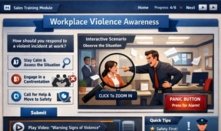
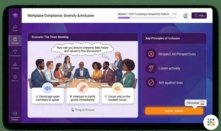
📊 Workplace Compliance Training
🌍 Localization & LMS-Ready Modules


Reviews
There are no reviews yet.