
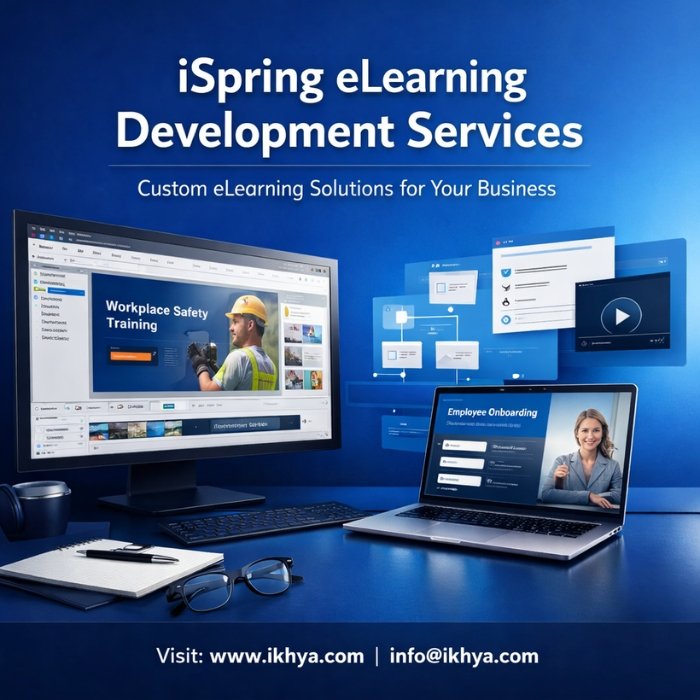


iSpring eLearning Development Services
Organizations today need training programs that can be developed quickly, updated frequently, and deployed across global teams. Many companies still rely on PowerPoint presentations for training, but static slides often fail to engage employees or track learning outcomes. Converting these materials into interactive digital courses is where iSpring-based development becomes highly effective.
IKHYA – eLearning Solutions Company specializes in building enterprise-ready training programs using iSpring Suite. We transform PowerPoint content into interactive SCORM-compliant eLearning courses, scenario-based training modules, and LMS-ready learning experiences designed for corporate training environments.
If your organization needs rapid course development, scalable training programs, or PowerPoint-to-eLearning conversion, our team can help you launch effective training quickly.
Request a proposal or schedule a consultation at info@ikhya.com
Get a Free eLearning Consultation / Proposal
Selecting the right eLearning development partner is an important decision for corporate training teams. Large organizations often need guidance on how to convert existing training materials into structured digital learning programs that integrate with their Learning Management System (LMS).
IKHYA offers a free consultation and project proposal to help organizations evaluate the best approach for developing iSpring-based eLearning courses.
During the consultation, our learning consultants help you assess:
Training Needs Analysis
- Existing PowerPoint training materials
- Compliance or onboarding requirements
- Employee skill development goals
- Global training rollout plans
Course Development Scope
- Number of training modules
- Course duration and complexity
- Level of interactivity
- Multimedia requirements
Technical Requirements
- LMS compatibility (SCORM or xAPI)
- Mobile learning support
- Accessibility requirements such as WCAG
- Analytics and reporting needs
Enterprise Implementation Planning
- Estimated project timeline
- Cost estimates for course development
- Localization requirements for global teams
- Integration with existing learning platforms
This consultation helps organizations clearly understand how iSpring-based rapid eLearning development can support their training goals.
Organizations that are planning to convert PowerPoint presentations into interactive training courses can also explore related services such as PowerPoint to eLearning conversion, rapid eLearning development solutions, and instructional design services.
To request your consultation or submit an RFP for enterprise training development:
IKHYA – eLearning Solutions Company
Email: info@ikhya.com
What is iSpring eLearning Development?
iSpring eLearning development refers to the process of creating interactive digital training courses using iSpring Suite, a PowerPoint-based eLearning authoring tool widely used in corporate learning environments. It allows organizations to convert existing PowerPoint presentations into interactive eLearning courses, quizzes, video lectures, and scenario-based training modules that can be delivered through a Learning Management System (LMS).
Unlike complex authoring tools that require extensive programming, iSpring integrates directly with Microsoft PowerPoint. This allows instructional designers and subject matter experts (SMEs) to quickly transform traditional slide-based training into engaging learning experiences.
iSpring-based development is widely used for:
- corporate onboarding programs
- compliance training
- product training
- sales enablement training
- software system training
The courses developed with iSpring are typically published in SCORM or xAPI formats, making them compatible with most enterprise LMS platforms.
Key Features of iSpring eLearning Development
Organizations choose iSpring because it supports rapid course creation while maintaining instructional quality.
PowerPoint-Based Development
Training teams can reuse existing PowerPoint presentations and convert them into interactive digital courses without redesigning the entire curriculum.
Interactive Assessments
iSpring allows developers to create quizzes, knowledge checks, and assessments to measure learning outcomes.
Scenario-Based Learning
Interactive role-play scenarios help employees practice decision-making in real-world situations.
Multimedia Integration
Courses can include:
- video lectures
- screen recordings
- voice narration
- animations
- interactive simulations
Mobile Learning Support
Courses developed using iSpring are responsive and can be accessed on desktops, tablets, and mobile devices.
How iSpring Supports Corporate Training Programs
Many enterprises adopt iSpring because it enables rapid eLearning development, which is ideal for organizations that need to deploy training quickly.
For example, companies often use iSpring to convert:
- instructor-led training (ILT) programs into eLearning
- compliance training presentations into interactive modules
- product training decks into scenario-based learning courses
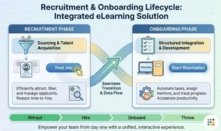
- onboarding programs into structured digital learning paths
This approach allows companies to scale training across distributed teams while maintaining consistent learning experiences.
Integration with Learning Management Systems
Courses developed with iSpring can be published in several formats that support enterprise LMS platforms:
- SCORM 1.2
- SCORM 2004
- xAPI
- HTML5
This compatibility ensures that training programs can track:
- learner progress
- assessment scores
- completion rates
- certification results
Many organizations integrate iSpring courses into enterprise learning ecosystems that include Learning Management Systems (LMS), Learning Experience Platforms (LXP), and digital adoption platforms.
iSpring Development Services at IKHYA
IKHYA – eLearning Solutions Company provides end-to-end iSpring development services designed for corporate training teams.
Our services include:
- PowerPoint to interactive eLearning conversion
- rapid course development using iSpring Suite
- instructional design and course structuring
- scenario-based learning development
- quiz and assessment creation
- LMS deployment and integration
These services are often used alongside custom eLearning development services, rapid eLearning development solutions, and LMS integration services to build scalable enterprise training programs.
Organizations that want to develop iSpring-based training modules can request a consultation or submit a project scope for evaluation.
IKHYA – eLearning Solutions Company
Email: info@ikhya.com
Why Organizations Need iSpring eLearning Development
Many organizations struggle to scale training programs across global teams. Traditional classroom training and static PowerPoint presentations often fail to deliver measurable learning outcomes. Employees may receive information, but organizations cannot track engagement, knowledge retention, or performance improvement.
iSpring eLearning development helps organizations transform static training materials into interactive digital learning programs that are measurable, scalable, and easy to update.
Because iSpring is built directly on Microsoft PowerPoint, companies can quickly convert existing training content into structured eLearning courses without rebuilding training from scratch.
Below are common reasons organizations adopt iSpring-based eLearning development.
Rapid Conversion of PowerPoint Training into Interactive Courses
Many corporate training programs are still stored in PowerPoint presentations. These materials often contain valuable knowledge but lack engagement and tracking capabilities.
iSpring allows organizations to convert these presentations into:
- interactive eLearning modules
- multimedia training courses
- scenario-based learning experiences
- quiz-based assessments
This enables training teams to reuse existing materials while improving the learning experience.
Faster Development Compared to Traditional eLearning
Traditional custom eLearning development can take several months. iSpring enables rapid eLearning development, making it possible to launch training programs much faster.
Organizations benefit from:
- faster course development cycles
- easier collaboration between SMEs and instructional designers
- quick updates to training content
- reduced development costs
This approach is particularly valuable for organizations that frequently update training materials, such as compliance or product training.
LMS Compatibility and Training Analytics
Modern enterprises require training programs that integrate with Learning Management Systems (LMS).
Courses developed using iSpring support common eLearning standards such as:
- SCORM 1.2
- SCORM 2004
- xAPI
This allows organizations to track:
- learner progress
- course completion rates
- assessment scores
- training effectiveness
Training managers can use this data to evaluate learning outcomes and improve future training programs.
Global Training Delivery
Companies operating across multiple countries need training solutions that can be deployed globally.
iSpring-based eLearning allows organizations to:
- deliver consistent training across locations
- translate courses for multilingual workforces
- provide mobile learning access
- ensure standardized compliance training
This makes iSpring ideal for organizations with distributed teams.
Enterprise Training Examples
Many global organizations across industries use iSpring-based eLearning development.
Example: Compliance Training Program – USA
Industry: Healthcare
Client: US healthcare provider network
Project Scope
- 25 compliance training modules
- HIPAA and patient safety training
- Scenario-based assessments
Timeline: 8–10 weeks
Estimated Cost: $35,000 – $65,000
The organization needed a scalable training solution to ensure regulatory compliance across multiple hospitals.
Example: Product Training Program – UK
Industry: Financial Services
Client: UK-based banking institution
Project Scope
- 18 product training modules
- interactive quizzes and case studies
- LMS reporting integration
Timeline: 6–8 weeks
Estimated Cost: $25,000 – $50,000
The goal was to train sales teams on new financial products quickly.
Example: Employee Onboarding Training – Australia
Industry: Retail
Client: National retail chain
Project Scope
- 20 onboarding modules
- microlearning-based training format
- mobile learning compatibility
Timeline: 6 weeks
Estimated Cost: $22,000 – $40,000
The company needed consistent onboarding training across hundreds of stores.
Example: Safety Training Program – UAE
Industry: Construction
Project Scope
- 15 safety training modules
- interactive scenario-based learning
- multilingual course versions
Timeline: 5–7 weeks
Estimated Cost: $20,000 – $35,000
The goal was to standardize safety training for field employees.
Organizations that want to modernize their training programs often combine iSpring development with services such as rapid eLearning development, instructional design services, and instructor-led training to eLearning conversion.
To explore how iSpring-based training can support your corporate learning programs:
IKHYA – eLearning Solutions Company
Email: info@ikhya.com
Benefits of iSpring eLearning Development
Organizations adopt iSpring-based eLearning development because it allows them to build high-quality training programs quickly while maintaining instructional effectiveness. Since iSpring integrates with PowerPoint and supports modern eLearning standards, it helps corporate training teams scale learning across departments, locations, and global workforces.
Below are some of the most important benefits enterprises gain from iSpring eLearning development.
Rapid eLearning Development
One of the biggest advantages of iSpring is its ability to support rapid eLearning development. Training teams can convert existing PowerPoint presentations into interactive courses much faster than traditional custom development methods.
Benefits include:
- faster course development timelines
- quick conversion of existing training materials
- faster updates when policies or products change
- reduced development costs
This makes iSpring especially useful for organizations that frequently update training programs.
Cost-Effective Training Development
Developing custom eLearning courses from scratch can require significant time and budget. iSpring allows organizations to reuse existing training content and convert it into structured digital courses.
Cost advantages include:
- reuse of existing PowerPoint materials
- reduced design and development time
- simplified content updates
- scalable course production
This makes iSpring a practical solution for organizations with large training libraries.
Interactive Learning Experiences
iSpring allows developers to create interactive learning modules that improve learner engagement.
Courses can include:
- quizzes and knowledge checks
- branching scenarios
- role-based training simulations
- multimedia presentations
- screen recordings for software training
These interactive elements support learning methodologies such as scenario-based training, microlearning, and experiential learning.
LMS Compatibility and Analytics
Enterprise training programs require reliable tracking and reporting. iSpring courses support widely used eLearning standards such as SCORM and xAPI, ensuring compatibility with most Learning Management Systems.
This enables organizations to monitor:
- learner progress
- course completion rates
- assessment results
- training effectiveness
Training managers can use this data to evaluate learning outcomes using frameworks such as the Kirkpatrick Model.
Mobile Learning Accessibility
Modern workforces often access training from different devices and locations. Courses developed with iSpring support HTML5 output, making them accessible on:
- desktop computers
- tablets
- smartphones
This flexibility helps organizations deliver training programs to remote employees and distributed teams.
Easy Course Updates
Training content often needs to be updated when:
- policies change
- new products are launched
- regulations are updated
Because iSpring development is PowerPoint-based, course updates can be implemented quickly without rebuilding the entire course.
This allows organizations to maintain accurate training programs while minimizing development time.
Scalable Enterprise Training Programs
Large organizations often need to deliver training programs across multiple departments and locations. iSpring allows companies to scale training initiatives such as:
- employee onboarding programs
- compliance training courses
- product training programs
- customer education programs
With LMS integration, organizations can deploy training programs to thousands of employees while maintaining centralized tracking and reporting.
Organizations that require scalable training programs often combine iSpring development with custom eLearning development services, microlearning course development, and LMS integration services to build comprehensive digital learning ecosystems.
To discuss your training requirements or request a project estimate:
IKHYA – eLearning Solutions Company
Email: info@ikhya.com
Real Enterprise Project Examples
Enterprise organizations often use iSpring to convert existing training materials into structured digital learning programs. These projects typically involve transforming PowerPoint presentations, instructor-led training materials, and product documentation into interactive eLearning modules that can be deployed through a Learning Management System.
Below are realistic examples of enterprise iSpring eLearning development projects.
Example: ERP System Training
Industry: Manufacturing
Client: Global Manufacturing Company
Training Requirement
The company implemented a new ERP system across multiple departments and needed to train employees on system workflows such as procurement, inventory management, and production planning.
Project Scope
- 30 software simulation modules
- 5–7 minutes per module
- screen-recorded system walkthroughs
- interactive quizzes and knowledge checks
- LMS deployment using SCORM
Estimated Timeline
8–10 weeks
Estimated Cost
$40,000 – $75,000
Outcome
Employees were able to learn system workflows through guided simulations, reducing onboarding time for the new ERP platform.
Example: Salesforce CRM Training
Industry: Technology
Client: US-based SaaS Company
Training Requirement
Sales teams needed structured training to learn how to manage leads, opportunities, and customer interactions within the Salesforce CRM system.
Project Scope
- 20 interactive training modules
- scenario-based learning activities
- screen-recorded system demonstrations
- quizzes and certification assessment
Estimated Timeline
6 weeks
Estimated Cost
$25,000 – $45,000
Outcome
The organization improved CRM adoption among sales teams and reduced onboarding time for new employees.
Example: Compliance Training Program
Industry: Healthcare
Client: Multi-location healthcare provider
Training Requirement
The organization required annual compliance training programs related to patient data protection and workplace safety.
Project Scope
- 25 compliance training modules
- scenario-based decision-making exercises
- knowledge checks and final assessments
- multilingual course versions
Estimated Timeline
8 weeks
Estimated Cost
$35,000 – $60,000
Outcome
The organization was able to deploy standardized compliance training across multiple hospitals while tracking course completion through their LMS.
Example: Product Training for Sales Teams
Industry: Financial Services
Client: UK-based banking organization
Training Requirement
Sales teams needed training on new financial products and customer advisory processes.
Project Scope
- 18 training modules
- case-study-based learning scenarios
- product knowledge assessments
- LMS reporting integration
Estimated Timeline
6–7 weeks
Estimated Cost
$22,000 – $40,000
Outcome
Sales teams gained a better understanding of product features and regulatory requirements before interacting with customers.
Example: Safety Training Program
Industry: Construction
Client: Middle East infrastructure company
Training Requirement
Field workers required safety training programs covering equipment handling, workplace hazards, and emergency procedures.
Project Scope
- 15 safety training modules
- scenario-based learning simulations
- mobile-friendly course design
- multilingual course delivery
Estimated Timeline
5–6 weeks
Estimated Cost
$18,000 – $35,000
Outcome
The company was able to standardize safety training across multiple project sites and improve training compliance rates.
Estimated Development Timelines for iSpring Projects
| Project Scope | Estimated Timeline |
|---|---|
| 1 training module | 2–3 weeks |
| 5 training modules | 4–6 weeks |
| 10 training modules | 6–8 weeks |
| 20 training modules | 8–10 weeks |
| 30+ training modules | 12–16 weeks |
Typical Pricing Ranges for iSpring eLearning Development
| Course Complexity | Estimated Cost Per Module |
|---|---|
| Basic PowerPoint Conversion | $1,000 – $2,500 |
| Interactive eLearning Module | $2,500 – $6,000 |
| Advanced Scenario-Based Training | $6,000 – $12,000 |
Pricing may vary depending on:
- number of slides
- level of interactivity
- multimedia requirements
- voice narration
- localization requirements
Organizations planning enterprise training programs often combine iSpring development with services such as rapid eLearning development, instructional design services, and LMS integration services to build scalable learning ecosystems.
To request a project estimate or discuss your training requirements:
IKHYA – eLearning Solutions Company
Email: info@ikhya.com
IKHYA Process for iSpring eLearning Development
Developing effective eLearning courses requires more than converting PowerPoint slides into digital content. Successful corporate training programs must follow a structured instructional design methodology to ensure learning objectives are clear, content is engaging, and learning outcomes can be measured.
At IKHYA – eLearning Solutions Company, iSpring course development follows a structured workflow based on proven instructional design frameworks such as ADDIE, Bloom’s Taxonomy, and the Kirkpatrick Model. This approach ensures that training programs align with business goals and deliver measurable learning outcomes.
Analysis
The first stage focuses on understanding the organization’s training needs and defining clear learning objectives.
During this stage, the project team works with stakeholders to identify:
- target audience and learner profiles
- training objectives and expected outcomes
- existing training materials such as PowerPoint presentations
- compliance or certification requirements
- LMS compatibility requirements
Training goals are aligned with Bloom’s Taxonomy, ensuring the course supports learning levels such as knowledge, comprehension, application, and problem-solving.
Deliverables at this stage include:
- training needs analysis
- course structure outline
- learning objectives
- project scope definition
This phase ensures the course development process begins with a clear learning strategy.
Instructional Design
Once the training requirements are defined, instructional designers create the learning architecture for the course.
This stage includes:
- structuring course modules and learning paths
- designing storyboards and course flow
- defining learner interactions and assessments
- selecting appropriate learning methodologies
Common learning approaches used in iSpring development include:
- microlearning modules for short, focused training
- scenario-based learning for decision-making practice
- experiential learning activities for real-world application
Instructional designers also determine how the course will evaluate learner performance through quizzes, knowledge checks, and final assessments.
Development
In the development stage, the course is built using iSpring Suite and other supporting tools.
Development activities include:
- converting PowerPoint content into interactive eLearning modules
- adding multimedia elements such as video and narration
- building quizzes and assessments
- creating branching scenarios and interactive activities
- designing user-friendly navigation and course interfaces
Courses are developed to support modern eLearning standards including:
- SCORM 1.2
- SCORM 2004
- xAPI
This ensures compatibility with enterprise Learning Management Systems.
Quality Assurance
Quality assurance is critical for ensuring that courses function properly across devices and learning platforms.
IKHYA conducts comprehensive testing to verify:
- course functionality and navigation
- multimedia playback and synchronization
- quiz and assessment accuracy
- SCORM or xAPI tracking functionality
- mobile learning compatibility
Accessibility testing may also be conducted to support WCAG accessibility guidelines, ensuring courses are usable by diverse learners.
Deployment
Once the course passes quality testing, it is prepared for deployment within the organization’s learning ecosystem.
Deployment services include:
- LMS integration and course upload
- SCORM or xAPI configuration
- testing course tracking and reporting
- learner enrollment setup
- administrator training for course management
Organizations can then track learning outcomes using analytics provided through their LMS.
Training effectiveness can be evaluated using the Kirkpatrick Model, which measures:
- learner reaction
- knowledge acquisition
- behavior change
- business impact
This ensures the training program delivers measurable value for the organization.
Organizations looking to develop scalable training programs using iSpring often combine this service with custom eLearning development, rapid eLearning development, and LMS integration services to build comprehensive digital learning environments.
To discuss your project or request a consultation:
IKHYA – eLearning Solutions Company
Email: info@ikhya.com
Technologies and Tools Used
Developing enterprise-grade eLearning courses requires the right combination of authoring tools, learning technologies, and industry standards. These technologies ensure that training programs are interactive, scalable, and compatible with modern learning ecosystems.
At IKHYA – eLearning Solutions Company, we use industry-leading eLearning technologies to develop training programs that integrate smoothly with enterprise Learning Management Systems (LMS) and support modern digital learning strategies.
Authoring Tools
Authoring tools are used to create interactive eLearning courses that include multimedia, assessments, and learner interactions.
iSpring Suite
iSpring Suite is a PowerPoint-based authoring tool designed for rapid eLearning development. It allows instructional designers to convert PowerPoint presentations into interactive training modules with quizzes, dialogue simulations, and video-based learning.
Common capabilities include:
- PowerPoint to eLearning conversion
- interactive quizzes and assessments
- scenario-based training simulations
- screen recordings for software training
- voice narration and video lectures
iSpring is widely used for corporate training programs such as compliance training, onboarding, and product education.
Articulate Storyline
Articulate Storyline is an advanced authoring tool used to develop highly interactive eLearning courses.
It is often used for:
- scenario-based learning
- complex branching simulations
- gamified training experiences
- software simulations
This tool provides flexibility for developing custom learning interactions.
Adobe Captivate
Adobe Captivate is commonly used for:
- software simulations
- system training modules
- interactive training environments
It allows developers to capture screen recordings and convert them into guided training simulations.
Lectora Inspire
Lectora Inspire is an enterprise authoring tool used for developing complex eLearning courses that require advanced customization.
It supports:
- responsive course design
- accessibility compliance
- enterprise LMS deployment
Lectora is often used in large-scale enterprise learning projects.
Learning Technologies
Modern corporate training programs are delivered through digital learning platforms that manage training distribution and analytics.
Learning Management Systems (LMS)
An LMS is used to host, manage, and track eLearning courses. Organizations use LMS platforms to:
- assign courses to employees
- track course completion
- monitor assessment results
- generate training reports
Common LMS platforms include:
- Moodle
- Docebo
- Cornerstone OnDemand
- SAP SuccessFactors
Learning Experience Platforms (LXP)
Learning Experience Platforms provide personalized learning experiences by recommending training content based on learner behavior and preferences.
LXPs help organizations:
- improve learner engagement
- support self-directed learning
- create personalized learning paths
Digital Adoption Platforms
Digital adoption platforms help employees learn how to use software systems through guided in-application learning experiences.
These platforms are often used alongside software simulation training.
eLearning Standards
To ensure compatibility with enterprise learning platforms, eLearning courses must follow industry standards.
SCORM (Sharable Content Object Reference Model)
SCORM is the most widely used eLearning standard for LMS integration. It allows organizations to track learner progress, course completion, and assessment results.
Supported formats include:
- SCORM 1.2
- SCORM 2004
xAPI (Experience API)
xAPI enables more advanced learning analytics by tracking learner activity across multiple platforms and learning environments.
This allows organizations to monitor learning behavior beyond traditional LMS environments.
WCAG Accessibility Standards
Web Content Accessibility Guidelines (WCAG) ensure that eLearning courses are accessible to learners with disabilities.
Accessible course design may include:
- screen reader compatibility
- keyboard navigation
- captioned videos
- accessible color contrast
By combining advanced authoring tools, modern learning technologies, and industry standards, IKHYA develops scalable training programs that can be deployed across global organizations.
Organizations often combine iSpring development with instructional design services, rapid eLearning development, and LMS integration services to build comprehensive corporate training ecosystems.
To discuss your training requirements or request a proposal:
IKHYA – eLearning Solutions Company
Email: info@ikhya.com
Industries We Serve
Organizations across many industries use iSpring-based eLearning to train employees, standardize procedures, and improve workforce performance. Because iSpring supports rapid development and LMS integration, it is widely used for compliance training, onboarding programs, product education, and system training.
At IKHYA – eLearning Solutions Company, we develop iSpring training programs tailored to the specific operational and regulatory requirements of different industries.
Healthcare
Healthcare organizations must ensure that employees follow strict regulatory standards while maintaining patient safety and data privacy.
iSpring-based training is commonly used for:
- HIPAA compliance training
- patient safety protocols
- medical equipment training
- infection control procedures
- hospital staff onboarding
Interactive modules and scenario-based learning help healthcare professionals understand complex procedures and regulatory guidelines.
Manufacturing
Manufacturing companies require structured training programs to ensure employees understand operational processes and safety procedures.
Common manufacturing training programs include:
- equipment operation training
- workplace safety training
- quality control procedures
- ERP system training
- supply chain process training
Interactive simulations and step-by-step system demonstrations help employees learn operational workflows efficiently.
Finance and Banking
Financial institutions operate under strict regulatory frameworks and require continuous employee training.
iSpring courses are widely used for:
- regulatory compliance training
- financial product education
- customer service training
- anti-money laundering (AML) training
- risk management training
Interactive quizzes and case-based learning help employees understand financial regulations and decision-making scenarios.
Construction
Construction companies often manage large field teams working across multiple project sites. Training programs must ensure workers understand safety regulations and operational procedures.
Training programs may include:
- construction site safety training
- equipment handling procedures
- hazard identification training
- emergency response training
- environmental compliance training
Mobile-friendly eLearning courses allow workers to access training materials directly from job sites.
Oil and Gas
The oil and gas industry requires highly specialized training programs to maintain operational safety and regulatory compliance.
Typical training programs include:
- operational safety procedures
- equipment handling training
- environmental compliance training
- incident response training
- offshore safety training
Scenario-based learning modules help employees practice decision-making in high-risk environments.
Aviation
Aviation organizations require structured training programs to ensure compliance with safety standards and operational procedures.
Common aviation training programs include:
- airline safety procedures
- airport ground operations training
- aircraft maintenance training
- customer service training for airline staff
- emergency response training
iSpring-based eLearning enables aviation companies to deliver standardized training programs across multiple locations and operational teams.
Organizations in these industries often combine iSpring development with rapid eLearning development, instructional design services, and LMS integration services to build scalable corporate learning ecosystems.
To discuss training development for your industry:
IKHYA – eLearning Solutions Company
Email: info@ikhya.com
Why Rapid eLearning with iSpring Works for Enterprise Training
Many organizations need to develop training programs quickly while maintaining instructional quality. Traditional custom eLearning development can take several months, which may not be practical for organizations that need to launch training programs quickly.
iSpring enables rapid eLearning development, allowing organizations to convert existing PowerPoint training materials into interactive digital courses within a shorter timeframe. This approach makes it easier for corporate training teams to scale learning programs while controlling development costs.
Below are key reasons why rapid eLearning using iSpring is widely adopted by enterprise organizations.
Faster Training Deployment
Organizations often need to launch training programs quickly when:
- new products are introduced
- regulations change
- software systems are implemented
- new employees join the organization
Because iSpring integrates directly with PowerPoint, instructional designers can convert existing presentations into interactive courses without rebuilding content from scratch. This significantly reduces development time.
Training programs that previously required several months to build can often be developed within a few weeks.
Efficient Collaboration with Subject Matter Experts
Subject Matter Experts (SMEs) play a critical role in corporate training development. However, SMEs are usually busy professionals who cannot spend large amounts of time reviewing complex course designs.
Since iSpring courses are developed within PowerPoint, SMEs can easily review:
- slide content
- training explanations
- diagrams and visuals
- knowledge checks
This simplifies collaboration between SMEs and instructional designers, helping organizations accelerate the development process.
Easy Content Updates
Corporate training content frequently changes due to:
- regulatory updates
- product changes
- new operational procedures
Traditional eLearning courses often require extensive redevelopment when content changes. With iSpring, training teams can update PowerPoint slides and republish the course quickly.
This flexibility ensures that training programs remain accurate and up to date.
Cost Efficiency for Large Training Libraries
Organizations often have hundreds of training presentations stored across departments. Converting these materials into interactive courses can become expensive if each course requires custom development.
iSpring allows organizations to reuse existing materials and transform them into structured eLearning courses.
This approach reduces development costs while enabling organizations to build large training libraries.
Scalable Global Training Programs
Large organizations often need to train employees across multiple countries and locations.
iSpring-based eLearning supports:
- multilingual course versions
- mobile learning access
- global LMS deployment
- consistent training delivery across teams
This ensures employees receive standardized training regardless of location.
Strong LMS Compatibility
Enterprise training programs require reliable integration with Learning Management Systems.
Courses developed with iSpring support industry standards such as:
- SCORM
- xAPI
This allows organizations to track:
- course completion
- learner progress
- assessment results
- training effectiveness
Training managers can use these analytics to evaluate the impact of training programs and improve future learning initiatives.
Because of these advantages, iSpring is widely used for enterprise training programs such as:
- employee onboarding programs
- compliance training
- product training
- software system training
- sales enablement training
Organizations often combine rapid iSpring development with custom eLearning development, microlearning course development, and instructional design services to create comprehensive corporate learning programs.
To explore how rapid eLearning development using iSpring can support your organization’s training initiatives:
IKHYA – eLearning Solutions Company
Email: info@ikhya.com
Why Choose IKHYA – eLearning Solutions Company
Selecting the right eLearning development partner is critical for organizations planning enterprise training programs. Large companies need vendors who understand instructional design, corporate training strategy, and large-scale learning deployments.
IKHYA – eLearning Solutions Company provides enterprise-focused iSpring eLearning development services designed to help organizations build scalable, high-quality training programs.
Our team combines instructional design expertise, modern learning technologies, and proven development methodologies to deliver training solutions that support business performance and employee development.
Extensive Experience in Corporate Training
IKHYA has extensive experience delivering digital learning solutions for organizations across multiple industries.
Our team has supported training initiatives such as:
- employee onboarding programs
- compliance and regulatory training
- product and sales training
- software system training
- leadership development programs
This experience allows us to design training solutions that align with corporate learning strategies.
Proven Enterprise Delivery Capability
Organizations require vendors that can deliver training programs at scale.
IKHYA has experience supporting enterprise training initiatives including:
- 300+ global clients
- 1000+ eLearning courses delivered
- 25+ years of combined industry experience
- 20+ industries served
Our development teams are experienced in managing large training projects involving multiple modules, multilingual content, and LMS integration.
Strong Instructional Design Expertise
Effective training requires more than content conversion. Courses must be designed to support knowledge retention and skill development.
Our instructional designers apply proven learning frameworks including:
- ADDIE instructional design model
- Bloom’s Taxonomy learning objectives
- Kirkpatrick Model for training evaluation
These methodologies help ensure that training programs produce measurable learning outcomes.
Enterprise Learning Technology Expertise
Modern corporate training programs rely on digital learning technologies.
IKHYA develops eLearning courses that integrate with enterprise learning ecosystems including:
- Learning Management Systems (LMS)
- Learning Experience Platforms (LXP)
- digital adoption platforms
- mobile learning platforms
Courses are developed according to industry standards such as SCORM, xAPI, and WCAG accessibility guidelines.
Flexible Development Models
Every organization has unique training requirements. IKHYA provides flexible engagement models to support different project types.
Organizations can work with our team for:
- full-service eLearning development
- rapid eLearning development projects
- PowerPoint to eLearning conversion
- instructional design consulting
- LMS integration and course deployment
This flexibility allows organizations to scale their training programs according to their needs.
Global Training Deployment Support
Organizations with global workforces often need multilingual training programs and consistent learning experiences across locations.
IKHYA supports:
- course localization and translation
- global LMS deployment
- multi-device learning access
- standardized corporate training programs
This ensures employees across regions receive consistent training experiences.
Organizations planning enterprise training programs often combine iSpring development with services such as custom eLearning development, rapid eLearning development, microlearning development, and LMS integration services to build comprehensive learning ecosystems.
To discuss your project requirements or request a consultation:
IKHYA – eLearning Solutions Company
Email: info@ikhya.com
Related eLearning Services
Enterprise training programs often require multiple types of digital learning solutions beyond a single development service. Organizations typically combine iSpring-based development with other eLearning services to build scalable corporate learning ecosystems.
IKHYA – eLearning Solutions Company provides a wide range of eLearning development and learning technology services that support corporate training transformation.
Below are related services that organizations commonly implement alongside iSpring eLearning development.
Custom eLearning Development
Some training programs require fully customized learning experiences that go beyond PowerPoint-based development.
Custom eLearning development may include:
- advanced scenario-based training
- gamified learning experiences
- complex branching simulations
- interactive learning environments
These programs are often used for leadership training, behavioral training, and specialized skill development.
Organizations can explore custom eLearning development services when they require highly tailored training solutions.
Rapid eLearning Development
Rapid eLearning development focuses on creating training programs quickly by reusing existing training materials such as PowerPoint presentations, documents, and recorded training sessions.
This approach is commonly used for:
- compliance training programs
- product training modules
- employee onboarding courses
- policy and procedure training
Rapid development models allow organizations to launch training programs quickly while maintaining instructional quality.
Instructional Design Services
Effective training programs require well-structured learning experiences that align with business objectives.
Instructional design services include:
- learning needs analysis
- course structure design
- storyboard development
- assessment design
- learning outcome evaluation
Instructional designers apply frameworks such as ADDIE, Bloom’s Taxonomy, and the Kirkpatrick Model to ensure training effectiveness.
Microlearning Development
Microlearning focuses on delivering short, focused learning modules that employees can complete quickly.
Microlearning courses typically:
- last 3–7 minutes
- focus on a single learning objective
- include quick assessments or knowledge checks
These courses are effective for product training, process training, and just-in-time learning.
LMS Integration Services
Once eLearning courses are developed, they must be deployed within the organization’s learning infrastructure.
LMS integration services include:
- SCORM or xAPI course configuration
- LMS course upload and testing
- learner enrollment setup
- training analytics configuration
- LMS administrator support
Proper integration ensures that organizations can track learner progress and measure training effectiveness.
PowerPoint to eLearning Conversion
Many organizations have extensive training libraries stored as PowerPoint presentations.
PowerPoint to eLearning conversion services transform these presentations into interactive courses that include:
- multimedia content
- quizzes and assessments
- scenario-based learning
- LMS tracking and reporting
This allows organizations to modernize their training materials while preserving existing knowledge assets.
Instructor-Led Training to eLearning Conversion
Organizations that currently deliver classroom training programs often convert them into digital learning experiences.
ILT to eLearning conversion may include:
- recording instructor presentations
- developing interactive course modules
- creating digital assessments
- building blended learning programs
This approach allows organizations to scale training programs beyond physical classrooms.
These services help organizations create comprehensive learning ecosystems that support employee development and organizational performance.
To discuss how these services can support your training strategy:
IKHYA – eLearning Solutions Company
Email: info@ikhya.com
Frequently Asked Questions
iSpring eLearning development services involve creating interactive digital training courses using iSpring Suite, a PowerPoint-based eLearning authoring tool. These services help organizations convert traditional training materials such as PowerPoint presentations, documents, and instructor-led training into structured eLearning modules.
Typical services include:
- PowerPoint to eLearning conversion
- interactive quiz development
- scenario-based training design
- multimedia course development
- LMS deployment and integration
These courses are usually delivered through a Learning Management System (LMS) and published in formats such as SCORM or xAPI.
Organizations choose iSpring because it allows them to develop training programs quickly while reusing existing PowerPoint content.
Key reasons include:
- rapid course development
- lower development costs
- PowerPoint-based editing
- LMS compatibility
- easy content updates
iSpring is especially popular for compliance training, onboarding programs, and product training.
iSpring can be used to develop many types of corporate training programs, including:
- employee onboarding training
- compliance and regulatory training
- product knowledge training
- sales enablement training
- customer service training
- software system training
- leadership and management training
Organizations often combine iSpring development with microlearning and scenario-based learning strategies.
Yes. One of the main advantages of iSpring is that it allows organizations to convert PowerPoint presentations into interactive eLearning courses.
During the conversion process, developers can add:
- quizzes and assessments
- multimedia elements
- interactive navigation
- scenario-based learning activities
The final course can be exported as an LMS-compatible training module.
Development timelines depend on course complexity and project scope.
Typical development timelines include:
Project Scope | Estimated Timeline |
1 module | 2–3 weeks |
5 modules | 4–6 weeks |
10 modules | 6–8 weeks |
20 modules | 8–10 weeks |
30+ modules | 12–16 weeks |
Factors such as multimedia production, voice narration, and scenario-based learning may affect timelines.
Yes. iSpring courses are designed to integrate with most enterprise Learning Management Systems (LMS).
Courses can be published in formats such as:
- SCORM 1.2
- SCORM 2004
- xAPI
- HTML5
This ensures organizations can track learner progress, assessment results, and course completion.
Yes. Courses developed using iSpring support HTML5 output, which allows learners to access training programs from different devices.
Supported devices include:
- desktop computers
- tablets
- smartphones
This flexibility allows employees to complete training programs from any location.
iSpring supports a wide range of interactive learning elements.
These may include:
- quizzes and knowledge checks
- branching scenarios
- role-play simulations
- dialogue-based training exercises
- video-based learning
- screen-recorded software demonstrations
Interactive elements help improve learner engagement and knowledge retention.
Yes. iSpring can be used to create software simulation training for systems such as ERP platforms, CRM systems, and internal enterprise applications.
Simulation-based training may include:
- screen recordings
- guided walkthroughs
- step-by-step practice activities
- scenario-based exercises
These simulations help employees learn how to use complex software systems.
Yes. iSpring allows developers to create assessments and certification tests.
These may include:
- multiple-choice quizzes
- drag-and-drop activities
- matching exercises
- scenario-based assessments
Organizations can configure LMS reporting to track learner performance and certification completion.
Yes. iSpring courses can be localized into multiple languages to support global training initiatives.
Localization may include:
- translation of on-screen text
- multilingual voice narration
- region-specific compliance content
This ensures training programs are accessible to employees across different countries.
Yes. Many organizations convert classroom training programs into digital learning courses.
ILT-to-eLearning conversion may include:
- converting training slides into eLearning modules
- recording instructor lectures
- creating interactive assessments
- developing blended learning programs
This allows organizations to scale training programs beyond physical classrooms.
iSpring development services are widely used across many industries.
Common industries include:
- healthcare
- manufacturing
- finance and banking
- construction
- oil and gas
- aviation
- retail
- technology
These industries use eLearning to train employees on compliance, safety, and operational processes.
Yes. Courses can be designed to support WCAG accessibility guidelines.
Accessible course design may include:
- screen reader compatibility
- keyboard navigation
- captioned videos
- accessible color contrast
This ensures that training programs are accessible to diverse learners.
Training effectiveness can be evaluated using models such as the Kirkpatrick Model.
This framework evaluates training based on four levels:
- learner reaction
- knowledge acquisition
- behavior change
- business impact
Learning analytics collected through LMS platforms help organizations measure these outcomes.
Instructional design ensures that training content is structured effectively to support learning outcomes.
Instructional designers apply frameworks such as:
- ADDIE instructional design model
- Bloom’s Taxonomy learning objectives
- scenario-based learning strategies
This approach helps ensure that courses are engaging and educationally effective.
Yes. iSpring courses can include various multimedia components.
Examples include:
- video lectures
- audio narration
- screen recordings
- animations
- interactive graphics
Multimedia elements improve learner engagement and enhance the learning experience.
Yes. One of the advantages of iSpring is that course content can be updated quickly.
Training teams can:
- edit PowerPoint slides
- update quizzes or multimedia
- republish the course
The updated course can then be re-uploaded to the LMS.
Yes. iSpring is widely used for enterprise-scale training initiatives.
Organizations often deploy hundreds of training modules covering:
- onboarding programs
- compliance training
- leadership development
- system training
Integration with enterprise LMS platforms allows organizations to deliver training programs to thousands of employees.
Organizations typically begin by identifying their training requirements and existing training materials.
A typical starting process includes:
- training needs analysis
- course scope definition
- instructional design planning
- course development and testing
- LMS deployment
Organizations can request a consultation or submit an RFP to begin the project.
For project discussions or proposal requests:
IKHYA – eLearning Solutions Company
Email: info@ikhya.com
Request Your iSpring eLearning Development Proposal
Organizations that want to modernize corporate training programs often need a reliable partner who can transform existing learning materials into scalable digital training experiences. Whether your company needs to convert PowerPoint presentations into interactive courses or develop a complete enterprise training program, the right development strategy can significantly improve training effectiveness.
IKHYA – eLearning Solutions Company provides enterprise-focused iSpring eLearning development services designed to help organizations build engaging, scalable, and LMS-ready training programs.
Our team works closely with corporate learning leaders, HR teams, and L&D departments to design and develop training solutions that align with business goals and workforce development strategies.
Start Your Project with IKHYA
Organizations typically contact us for:
- PowerPoint to eLearning conversion
- rapid iSpring course development
- corporate training program development
- LMS-ready course deployment
- instructor-led training to eLearning conversion
Our team will review your requirements and provide guidance on the most effective development approach.
What Happens After You Contact Us
When you request a proposal, our team will help you evaluate:
- your training goals and learning objectives
- the number of training modules required
- course complexity and interactivity level
- LMS compatibility requirements
- estimated development timeline and cost
This consultation helps organizations plan their training initiatives with clear expectations for scope, budget, and implementation.
Submit Your Training Requirements
If your organization is planning an eLearning development project using iSpring, you can request a consultation or submit an RFP.
IKHYA – eLearning Solutions Company
Email: info@ikhya.com
Our learning consultants will review your requirements and provide recommendations for building scalable training programs that support employee development and organizational performance.
At IKHYA – eLearning Solutions Company, we design impactful, compliance-driven, and performance-focused digital learning solutions tailored to your business goals.
🎯 Custom eLearning Course Development
⚡ Rapid eLearning & PPT Conversion
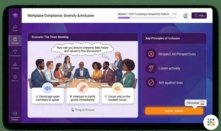
📊 Workplace Compliance Training
🌍 Localization & LMS-Ready Modules



Reviews
There are no reviews yet.