Lectora Inspire for Employee Onboarding Training

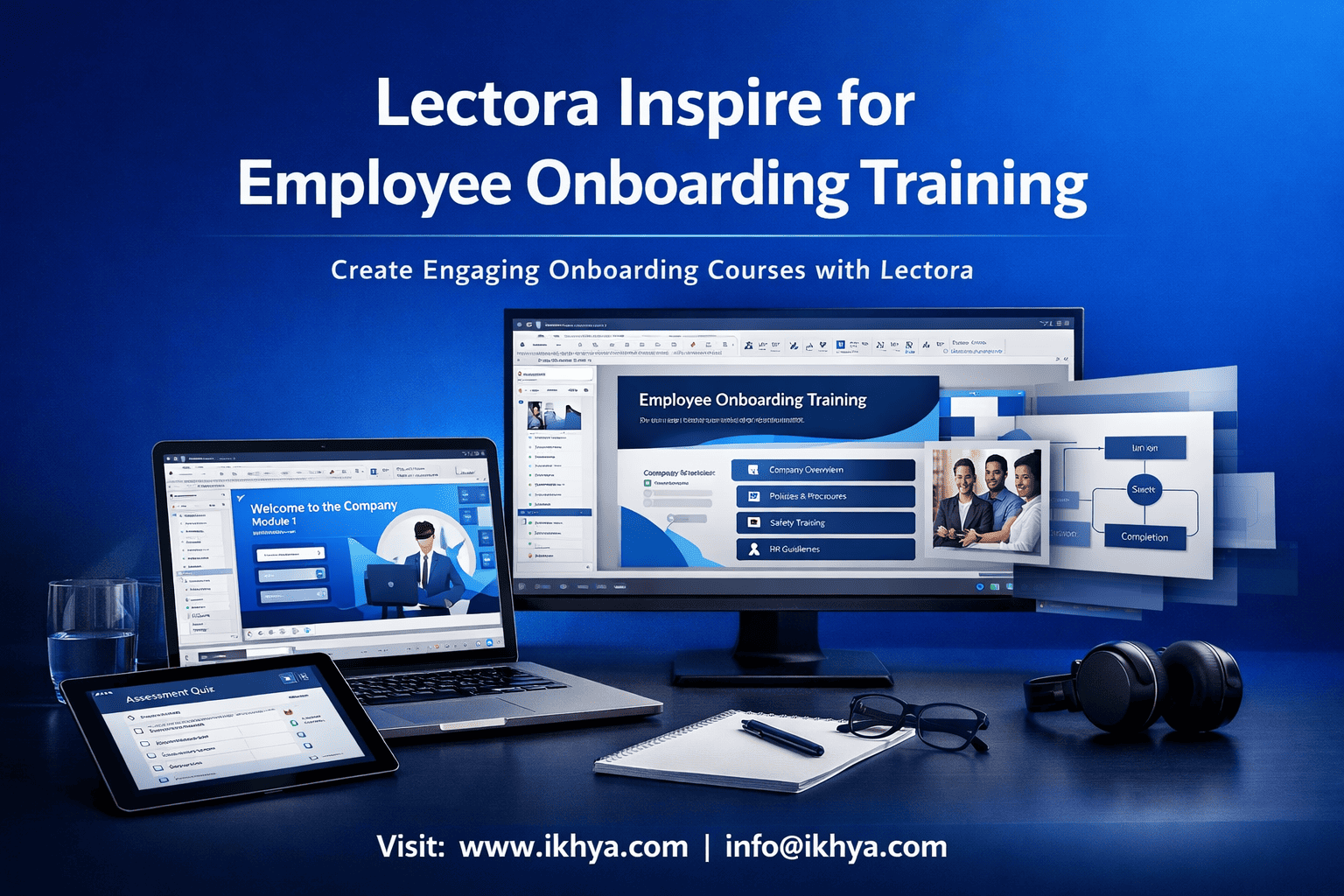
Employee onboarding is one of the most critical phases in the employee lifecycle. Organizations that implement structured onboarding programs see faster productivity, better engagement, and stronger retention rates. Yet many companies still rely on classroom sessions, long presentations, and static documents that fail to engage modern learners.
Today, enterprises are shifting onboarding programs toward interactive digital learning experiences. Platforms like Lectora Inspire enable organizations to build scalable, trackable, and engaging onboarding courses that work across global teams, devices, and learning management systems.
For corporate training teams looking to modernize onboarding, partnering with an experienced development provider can significantly accelerate implementation. Organizations exploring enterprise onboarding transformation can start by requesting a consultation through Book a Free eLearning Demo to understand how scalable onboarding programs are designed and deployed.
Why Enterprises Use Lectora Inspire for Employee Onboarding Training
Modern enterprises adopt Lectora Inspire for onboarding because it enables scalable, interactive, and LMS-compatible training programs that can be deployed globally. The platform supports SCORM and xAPI standards, allowing organizations to track learning progress, automate onboarding journeys, and ensure consistent training delivery across distributed teams.
The Challenge with Traditional Onboarding Programs
Many organizations still conduct onboarding through:
- Instructor-led presentations
- Static PDF manuals
- Long HR policy documents
- One-time classroom sessions
These approaches often create several problems:
- Information overload during the first week
- Low retention rates for important policies
- Inconsistent training delivery across locations
- Limited tracking of training completion
For global companies managing hundreds or thousands of employees, these challenges quickly become operational risks.
Why Enterprises Are Moving Onboarding to eLearning
Digital onboarding solutions address many limitations of traditional training models.
Key advantages include:
- Self-paced learning for new hires
- Standardized onboarding experiences across global teams
- Easy updates when policies or processes change
- Automated progress tracking through LMS platforms
When onboarding programs are delivered through structured eLearning courses, employees can revisit training modules anytime, improving knowledge retention and long-term compliance.
Organizations looking to convert legacy onboarding materials such as presentations or documents into digital learning experiences often explore Custom eLearning Development Services to create interactive onboarding courses tailored to their workforce.
Why Lectora Inspire Works Well for Corporate Onboarding
Lectora Inspire has become a preferred authoring tool for many enterprise learning teams because it combines flexibility, scalability, and powerful integration capabilities.
Key strengths include:
1. Advanced Interactivity
Lectora allows developers to create:
- Scenario-based learning
- Simulated workflows
- Interactive decision-making modules
- Knowledge checks and assessments
These elements make onboarding programs far more engaging than static content.
2. LMS Compatibility
Lectora courses support major eLearning standards including:
- SCORM
- xAPI
- AICC
This ensures seamless integration with enterprise LMS platforms used by organizations worldwide.
Training managers can easily track:
- Course completion
- Assessment performance
- Learning engagement
- Certification progress
3. Global Training Deployment
Large organizations often operate across multiple countries and regulatory environments.
Lectora supports:
- Multi-language content
- Localization workflows
- Accessible learning design
- Mobile-friendly courses
This makes it ideal for multinational onboarding programs.
4. Rapid Course Updates
Onboarding content often requires updates when:
- HR policies change
- Compliance rules evolve
- Internal systems are updated
Lectora’s structured content framework allows organizations to update courses quickly without rebuilding entire training programs.
The Strategic Value of Modern Onboarding Programs
Enterprise onboarding programs are no longer limited to HR orientation.
Today they include:
- Organizational culture training
- Compliance and regulatory training
- Product knowledge
- Systems and workflow training
- Role-specific skill development
Interactive onboarding built using modern authoring tools ensures employees gain both knowledge and operational readiness during their first weeks.
Companies planning large-scale onboarding transformations often consult experts to design scalable learning strategies. Enterprises evaluating digital onboarding programs can also reach out through Contact IKHYA Experts to explore implementation approaches tailored to their training ecosystem.
What Is Lectora Inspire and Why It Works Well for Corporate Onboarding
Lectora Inspire is an advanced eLearning authoring platform used by enterprises to create interactive, LMS-compatible training programs. It supports SCORM, xAPI, and responsive design, enabling organizations to develop structured onboarding experiences that can be deployed globally and tracked through enterprise learning management systems.
Overview of the Lectora Inspire Authoring Platform
Lectora Inspire is widely used by corporate training teams because it combines powerful development capabilities with enterprise-grade compatibility.
Key capabilities include:
- Advanced HTML5-based course development
- Responsive learning experiences for desktop, tablet, and mobile
- Built-in assessment and quiz engines
- Support for multimedia content and simulations
- Strong accessibility compliance (WCAG)
Unlike many lightweight authoring tools, Lectora gives instructional designers deeper control over course logic and interactivity. This flexibility is especially valuable for onboarding programs that require structured learning paths and compliance tracking.
Organizations implementing Lectora-based courses often rely on professional development teams offering Lectora eLearning development services to accelerate production and maintain enterprise design standards.
SCORM, xAPI, and LMS Compatibility
One of the main reasons enterprises choose Lectora Inspire is its seamless integration with corporate learning ecosystems.
Lectora courses can be published using major eLearning standards:
- SCORM 1.2
- SCORM 2004
- xAPI (Tin Can API)
- AICC
This ensures compatibility with leading enterprise LMS platforms such as:
- Cornerstone
- Moodle
- SAP SuccessFactors
- Docebo
- TalentLMS
With LMS integration, organizations can track onboarding performance metrics such as:
- course completion rates
- time spent on modules
- assessment scores
- employee certification progress
These insights help L&D leaders measure onboarding effectiveness and continuously improve training programs.
Companies planning enterprise LMS integration strategies often explore LMS Compatible eLearning Course Development Services to ensure smooth deployment across their learning infrastructure.
Interactive Learning Capabilities
Modern onboarding training must do more than present information. It must help employees apply knowledge in real work scenarios.
Lectora Inspire enables several interactive learning formats:
Scenario-Based Training
Employees learn through realistic workplace situations.
Example:
- handling customer complaints
- following safety procedures
- responding to compliance issues
Simulations
Interactive simulations help employees practice:
- using internal systems
- performing operational tasks
- navigating software tools
Organizations building immersive simulations often leverage eLearning Simulation Based Training Services to create realistic training environments.
Microlearning Modules
Onboarding content can be broken into smaller lessons such as:
- company culture overview
- HR policies
- system tutorials
- security training
Microlearning improves retention and allows employees to learn gradually during their first weeks.
Compliance and Enterprise Training Applications
Many industries must ensure employees complete mandatory training during onboarding.
Examples include:
Financial Services
- anti-money laundering training
- regulatory compliance awareness
Healthcare
- patient data privacy (HIPAA-like frameworks)
- safety and clinical protocol training
Manufacturing
- equipment safety procedures
- operational compliance standards
Oil and Gas
- environmental safety training
- hazard management protocols
These industries often use structured onboarding programs to ensure employees understand critical procedures before starting operational roles.
For example:
- USA organizations emphasize compliance frameworks within corporate onboarding programs.
- UK enterprises integrate regulatory training aligned with industry bodies.
- Australian organizations often align training with vocational competency frameworks.
- UAE companies focus on workforce skill development aligned with national workforce initiatives.
Lectora’s structured development environment makes it particularly suitable for these compliance-heavy training programs.
Why Enterprises Prefer Structured Onboarding Development
Corporate onboarding projects are rarely simple course builds.
They often require:
- instructional design frameworks
- LMS integration
- multimedia production
- compliance validation
- localization for global teams
Because of this complexity, many organizations partner with experienced providers offering Instructional Design Services to structure onboarding programs for maximum learning impact.
Key Benefits of Using Lectora Inspire for Employee Onboarding Programs
Lectora Inspire enables enterprises to build scalable onboarding programs that improve employee readiness, ensure regulatory compliance, and deliver consistent training experiences across global teams. Its flexibility, integration capabilities, and interactivity make it a powerful platform for enterprise learning environments.
Faster Onboarding for Large Organizations
Enterprises often hire employees in large batches.
Examples include:
- retail seasonal hiring
- manufacturing workforce expansion
- global IT recruitment drives
- multinational corporate hiring
Digital onboarding programs built with Lectora allow organizations to train hundreds or thousands of employees simultaneously.
Benefits include:
- reduced instructor dependency
- standardized onboarding delivery
- faster employee productivity
For organizations planning large-scale digital learning programs, many start by reviewing Custom eLearning Development Services to design structured onboarding ecosystems.
Consistent Training Across Global Locations
Multinational companies face a common challenge:
Delivering the same onboarding experience across different countries and departments.
Lectora helps maintain consistency by enabling:
- standardized training modules
- centralized course updates
- localization for regional compliance
- global deployment through LMS systems
This ensures employees receive consistent information regardless of location.
Interactive Scenario-Based Learning
Traditional onboarding often overwhelms employees with policies and documents.
Interactive onboarding programs solve this problem by introducing:
- branching scenarios
- decision-based learning
- real workplace examples
For instance:
A retail employee might complete a scenario about handling difficult customers.
A healthcare employee might practice responding to patient data privacy situations.
These learning formats help employees practice decisions before facing real-world situations.
Compliance-Ready Training Modules
Many organizations must document that employees completed mandatory training.
Examples include:
- workplace safety training
- cybersecurity awareness
- regulatory compliance training
- anti-harassment programs
Lectora enables the creation of:
- assessment-driven modules
- certification tracking
- compliance reporting through LMS systems
Organizations implementing compliance-focused training programs often rely on Compliance Training eLearning Solutions to ensure training meets regulatory standards.
Easy Course Updates and Maintenance
Corporate onboarding content changes frequently.
Updates may include:
- new HR policies
- updated systems or workflows
- regulatory changes
- organizational restructuring
Lectora allows instructional designers to quickly update course content without rebuilding the entire program.
This flexibility makes it suitable for long-term enterprise training programs where content must evolve regularly.
Mobile-Friendly Learning for Modern Workforces
Today’s employees expect training to be accessible on multiple devices.
Lectora supports:
- mobile-responsive courses
- tablet learning experiences
- desktop LMS access
Organizations deploying device-friendly onboarding programs often implement Mobile Learning Development Solutions to support modern distributed workforces.
When Enterprises Need Expert Development Support
Even though Lectora is powerful, developing high-quality onboarding courses requires:
- instructional design expertise
- multimedia production
- LMS configuration
- accessibility compliance
For this reason, many organizations partner with specialized development providers.
Enterprises planning new onboarding programs or modernizing legacy training systems can consult learning specialists through Contact IKHYA Experts to evaluate development approaches and implementation timelines.
Types of Employee Onboarding Training That Can Be Built with Lectora Inspire
Lectora Inspire enables organizations to create multiple types of onboarding training programs, ranging from basic orientation modules to complex role-specific learning journeys. Its flexible authoring environment supports multimedia content, scenario-based learning, compliance modules, and system simulations, making it ideal for comprehensive enterprise onboarding strategies.
Modern onboarding programs typically include a structured mix of learning modules designed to prepare employees both culturally and operationally.
New Hire Orientation Programs
New hire orientation introduces employees to the organization’s mission, values, structure, and policies.
Typical orientation modules include:
- Company history and culture
- Organizational structure
- Leadership messages
- HR policies and benefits
- Workplace expectations
Using Lectora, these modules can include:
- interactive timelines
- welcome videos from executives
- animated infographics explaining company structure
Organizations modernizing traditional orientation programs often start by converting existing content through ILT to eLearning Course Conversion Services to make onboarding more engaging and scalable.
Compliance and Policy Training
Many enterprises must ensure that employees complete mandatory compliance training during onboarding.
Common compliance modules include:
- workplace safety
- anti-harassment training
- cybersecurity awareness
- data privacy policies
- regulatory compliance training
Lectora’s assessment features allow organizations to:
- verify understanding through quizzes
- track certification completion through LMS platforms
- generate compliance reports for auditors
This is particularly important in industries such as financial services, healthcare, aviation, and oil and gas.
Product and Systems Training
For many roles, employees must quickly learn how to use internal tools and systems.
Examples include:
- CRM platforms
- ERP systems
- internal software tools
- operational dashboards
Using Lectora, instructional designers can build interactive simulations where employees practice navigating systems.
These simulation-driven onboarding programs can be developed through eLearning Simulation Based Training Services to replicate real workplace workflows.
Culture and Organizational Learning
Successful onboarding goes beyond policies and procedures.
Employees also need to understand:
- organizational values
- collaboration expectations
- communication styles
- company vision and goals
Interactive storytelling modules built with Lectora can help employees connect emotionally with the organization’s culture.
For example:
- scenario-based ethics training
- leadership storytelling modules
- workplace behavior simulations
These approaches improve employee engagement and alignment with company values.
Role-Specific Onboarding Paths
Large organizations often create role-based onboarding programs tailored to specific departments.
Examples include:
| Role | Example Onboarding Training |
|---|---|
| Sales | product knowledge, CRM usage, sales processes |
| Manufacturing | safety procedures, equipment handling |
| Healthcare | patient safety protocols, clinical workflows |
| IT teams | system architecture and security protocols |
| Retail staff | customer service standards |
Creating structured learning paths for each role ensures employees receive targeted knowledge relevant to their job responsibilities.
Organizations building enterprise learning ecosystems often implement these structured programs through Custom eLearning Development Services.
Microlearning-Based Onboarding Journeys
Many modern organizations are replacing long onboarding courses with microlearning modules.
Microlearning divides onboarding into short lessons such as:
- company values overview
- HR policy introduction
- compliance basics
- workplace communication guidelines
These lessons typically take 5–10 minutes, making them easier for employees to absorb.
Companies designing modular onboarding journeys frequently adopt Microlearning Development Services to improve engagement and retention.
Lectora Inspire vs Other Authoring Tools for Onboarding Training
Lectora Inspire is one of several authoring tools used for corporate training development. However, each platform offers different capabilities depending on training complexity, interactivity requirements, and enterprise integration needs.
Understanding these differences helps organizations select the most suitable technology for onboarding programs.
Lectora Inspire vs Articulate Storyline
Both Lectora and Storyline are powerful authoring tools used for interactive eLearning.
| Feature | Lectora Inspire | Articulate Storyline |
|---|---|---|
| Customization flexibility | Very high | High |
| Complex interactions | Excellent | Excellent |
| Accessibility compliance | Strong WCAG support | Good |
| LMS compatibility | SCORM, xAPI, AICC | SCORM, xAPI |
| Enterprise scalability | Very strong | Strong |
Storyline is widely used for interactive course design. Organizations comparing the two platforms often explore Articulate Storyline vs Adobe Captivate – Which Tool Is Better to understand how different authoring tools fit corporate learning environments.
Lectora Inspire vs Articulate Rise 360
Rise 360 focuses on rapid, responsive course creation, while Lectora provides deeper customization.
| Feature | Lectora Inspire | Rise 360 |
|---|---|---|
| Custom interaction design | Advanced | Limited |
| Responsive design | Flexible | Built-in |
| Development speed | Moderate | Very fast |
| Complex branching scenarios | Excellent | Limited |
Many organizations combine both tools in their training ecosystem.
For example:
- Rise courses for quick onboarding modules
- Lectora courses for complex compliance training
Training teams evaluating these tools can review Articulate Rise vs Storyline – Which Should You Choose for deeper comparisons.
Lectora Inspire vs Adobe Captivate
Adobe Captivate is another widely used authoring platform, particularly for software simulations.
| Feature | Lectora Inspire | Adobe Captivate |
|---|---|---|
| Simulation development | Good | Excellent |
| Custom development flexibility | Excellent | High |
| Accessibility | Strong | Good |
| LMS compatibility | SCORM, xAPI | SCORM, xAPI |
Organizations exploring Captivate-based training often review Adobe Captivate eLearning Development – Benefits, Cost, and Use Cases to understand where the platform fits within corporate learning strategies.
Choosing the Right Tool for Enterprise Onboarding
The best authoring tool depends on several factors:
- training complexity
- instructional design requirements
- LMS compatibility
- development timelines
- internal team capabilities
For many enterprises, tool selection becomes part of a broader corporate learning technology strategy.
Lectora Inspire is often selected when organizations require:
- advanced customization
- compliance-driven training
- global LMS deployment
- accessibility compliance
Training leaders evaluating development technologies frequently work with specialized consulting partners through eLearning Consultancy Services to determine the best authoring tools for their learning ecosystem.
Global Enterprise Onboarding Use Cases
Enterprises across different industries and regions use Lectora Inspire to build scalable onboarding programs that ensure employees quickly understand company policies, operational processes, and compliance requirements. Because the platform supports multilingual content, LMS integration, and interactive learning design, it works well for organizations operating across global markets.
Below are common onboarding use cases observed in major corporate training ecosystems.
USA Corporate Training Programs
Large organizations in the United States typically design onboarding programs that combine compliance training, culture alignment, and operational readiness.
Typical onboarding modules include:
- workplace compliance and regulatory training
- cybersecurity awareness programs
- diversity and inclusion training
- HR policy orientation
Industries such as healthcare, financial services, and aviation require documented onboarding training to meet regulatory obligations.
Organizations implementing structured compliance onboarding often adopt Compliance Training eLearning Solutions to ensure employees complete mandatory certifications.
UK Compliance Learning Frameworks
Companies operating in the United Kingdom frequently embed regulatory compliance into onboarding programs.
Examples include:
- financial conduct regulations
- workplace health and safety guidelines
- data protection awareness aligned with privacy regulations
Lectora allows organizations to create interactive compliance modules that include scenario-based learning and assessments, helping employees understand complex regulatory responsibilities.
Australian Vocational Training Practices
Australian organizations often incorporate elements from national vocational competency frameworks into employee onboarding.
Training programs frequently emphasize:
- competency-based learning
- role-specific skill validation
- workplace safety certification
Interactive learning simulations created with Lectora help employees practice real operational scenarios before performing tasks on the job.
Industries such as mining, manufacturing, and logistics rely heavily on these simulation-based onboarding approaches.
UAE Enterprise Workforce Development
Organizations in the UAE increasingly focus on structured workforce development programs designed to improve employee capability and productivity.
Onboarding programs in the region often include:
- organizational culture training
- digital transformation awareness
- leadership and collaboration modules
Global enterprises operating in the Middle East often localize onboarding courses into multiple languages to support multinational workforces.
For global deployment, many companies adopt eLearning Translation and Localization Services to ensure training content is culturally and linguistically appropriate.
Industry-Specific Onboarding Programs
Different industries require specialized onboarding content.
| Industry | Example Onboarding Training |
|---|---|
| Healthcare | patient safety protocols, regulatory compliance |
| Manufacturing | workplace safety, equipment operation |
| Financial services | anti-money laundering training |
| Retail | customer service and product knowledge |
| IT and software | system security and workflow processes |
Organizations building specialized onboarding programs frequently use Custom eLearning Development Services to tailor training experiences to industry requirements.
Cost of Developing Employee Onboarding Training Using Lectora Inspire
The cost of developing onboarding training with Lectora Inspire depends on several factors, including course complexity, interactivity level, multimedia production requirements, and localization needs. Enterprises typically evaluate development costs based on the scope and scale of their onboarding programs.
Understanding these cost drivers helps L&D leaders plan training budgets effectively.
Major Factors Influencing Development Cost
Several elements affect the cost of building onboarding courses.
Course Complexity
Basic orientation modules are less expensive, while complex scenario-based programs require more development effort.
Interactivity Level
Costs increase when courses include:
- simulations
- branching scenarios
- interactive assessments
- gamified learning experiences
Multimedia Production
Courses that incorporate:
- custom animations
- professional voiceover
- high-quality graphics
require additional production resources.
Instructional Design Requirements
Developing structured onboarding programs often involves experienced instructional designers who ensure content aligns with learning objectives.
Organizations that require structured design frameworks often rely on Instructional Design Services to ensure effective learning architecture.
Typical Enterprise Development Cost Ranges
Although costs vary widely, many organizations evaluate onboarding course development based on the following approximate ranges.
| Course Type | Estimated Development Cost |
|---|---|
| Basic onboarding module | $2,000 – $5,000 |
| Interactive onboarding course | $5,000 – $12,000 |
| Scenario-based onboarding training | $12,000 – $25,000 |
| Multi-language global onboarding programs | $25,000+ |
These estimates vary depending on course length, complexity, and production quality.
Localization and Global Deployment Costs
Multinational companies often require onboarding training in multiple languages.
Localization costs typically include:
- translation of course content
- voiceover recording
- cultural adaptation of scenarios
- UI adjustments for different languages
Enterprises expanding global training programs often implement eLearning Translation and Localization Services to streamline multilingual course deployment.
In-House vs Outsourced Development Costs
Many organizations evaluate whether to build onboarding courses internally or outsource development.
Key considerations include:
| Factor | In-House Development | Outsourced Development |
|---|---|---|
| Internal expertise | Required | Provided by vendor |
| Development speed | Often slower | Faster delivery |
| Production quality | Depends on team | Professional design |
| Scalability | Limited by team size | Easily scalable |
Companies comparing these options often review In-House vs Outsourced eLearning Development Cost Comparison to determine the most efficient approach.
When Enterprises Should Outsource Lectora Inspire Development
Many organizations choose to outsource Lectora development when internal teams lack the capacity or specialized expertise required to build complex onboarding programs. Outsourcing allows enterprises to accelerate course production, access instructional design expertise, and deploy training programs faster across global teams.
This approach is especially common for large-scale onboarding initiatives.
Signs Your Organization Should Outsource Development
Companies often outsource development when they experience challenges such as:
- limited internal instructional design resources
- tight training deployment deadlines
- large-scale onboarding rollouts
- complex LMS integration requirements
Outsourcing allows organizations to access specialized development teams without expanding internal staffing.
Benefits of Outsourcing eLearning Development
Working with experienced eLearning development partners provides several advantages.
Faster Development Timelines
Dedicated development teams can build onboarding programs significantly faster than internal teams learning new tools.
Instructional Design Expertise
Professional vendors bring experience in:
- scenario-based learning design
- interactive learning development
- compliance training frameworks
Scalability
Outsourcing allows organizations to scale development when launching global onboarding programs.
Organizations exploring outsourcing strategies can review Outsource eLearning Development – Benefits, Costs and Best Practices to understand implementation approaches.
Why Enterprises Partner with IKHYA
Large organizations often choose experienced development partners to ensure onboarding programs are designed professionally and deployed efficiently.
IKHYA – eLearning Solutions Company supports enterprises through:
- enterprise-level instructional design expertise
- custom Lectora course development
- LMS integration support
- multilingual training deployment
Organizations planning enterprise onboarding programs can start by consulting experts through Request an eLearning RFP to evaluate development scope, cost, and implementation strategy.
How to Choose the Right eLearning Vendor for Lectora Onboarding Projects
Selecting the right vendor is critical for the success of enterprise onboarding programs. Organizations must evaluate vendors based on instructional design capability, technical expertise, scalability, and LMS integration experience.
A structured vendor selection framework helps procurement teams identify reliable development partners.
Vendor Evaluation Checklist
Corporate training leaders typically evaluate vendors using criteria such as:
- experience with enterprise learning projects
- expertise in Lectora development
- instructional design methodology
- LMS integration capabilities
- accessibility compliance knowledge
Organizations planning vendor evaluation often consult resources such as How to Choose the eLearning Vendor to guide procurement decisions.
Technology Compatibility Review
Enterprises must ensure the vendor supports their technology ecosystem.
Important considerations include:
- LMS compatibility
- SCORM and xAPI support
- accessibility standards
- mobile learning deployment
This ensures the onboarding program integrates seamlessly with the organization’s learning infrastructure.
Instructional Design Maturity
High-quality onboarding programs require structured instructional design.
Enterprises should evaluate whether the vendor can:
- design learning journeys
- create scenario-based training
- develop assessments aligned with learning objectives
Strong instructional design expertise significantly improves training effectiveness.
Enterprise Project Governance
Large onboarding programs require structured project management.
Reliable vendors typically provide:
- dedicated project managers
- milestone-based development workflows
- quality assurance processes
- stakeholder review cycles
These governance practices ensure training projects remain on schedule and meet enterprise standards.
Organizations exploring experienced development partners can learn more about IKHYA through About IKHYA eLearning Solutions Company.
Conclusion: Building Scalable Employee Onboarding with Lectora Inspire
Lectora Inspire provides enterprises with a powerful platform for developing scalable onboarding programs that improve employee readiness, ensure compliance, and support global workforce training. Its advanced interactivity, LMS compatibility, and customization capabilities make it well suited for complex corporate learning environments.
By combining strong instructional design with modern authoring tools, organizations can transform onboarding from a simple orientation process into a strategic workforce development initiative.
Enterprises planning to modernize onboarding programs can explore expert guidance and development services through Book a Free eLearning Demo to evaluate how scalable digital learning solutions can support their training objectives.
Frequently Asked Questions
1. What is Lectora Inspire used for in corporate training?
Lectora Inspire is an eLearning authoring tool used to create interactive training courses, onboarding programs, compliance training, and simulations for enterprise learning environments.
2. Why is Lectora Inspire suitable for employee onboarding?
It supports interactive learning, LMS integration, and global training deployment, making it ideal for scalable corporate onboarding programs.
3. Can Lectora courses integrate with an LMS?
Yes. Lectora supports SCORM, xAPI, and AICC standards, allowing courses to integrate with most enterprise LMS platforms.
4. How long does it take to develop onboarding courses?
Development timelines typically range from two to eight weeks depending on course complexity and multimedia requirements.
5. What industries commonly use Lectora for onboarding?
Healthcare, manufacturing, financial services, aviation, retail, and IT organizations commonly use Lectora for onboarding and compliance training.
6. Can onboarding courses include simulations?
Yes. Lectora supports interactive simulations that allow employees to practice real workplace tasks.
7. Is Lectora suitable for compliance training?
Yes. Many organizations use Lectora to build compliance training modules with assessments and certification tracking.
8. Can onboarding courses be translated into multiple languages?
Yes. Lectora courses can be localized for global workforces through translation and cultural adaptation.
9. Does Lectora support mobile learning?
Yes. Courses published in HTML5 can run on mobile devices, tablets, and desktop browsers.
10. What skills are needed to develop Lectora courses?
Instructional design, multimedia development, LMS integration knowledge, and accessibility compliance expertise are typically required.
11. Should companies outsource Lectora development?
Many organizations outsource development to access specialized expertise and accelerate course production.
12. How much does Lectora course development cost?
Costs vary depending on complexity but typically range from a few thousand dollars to more than $25,000 for advanced courses.
13. What is SCORM in eLearning?
SCORM is a technical standard that allows eLearning courses to communicate with LMS platforms and track learner progress.
14. What is xAPI in corporate learning?
xAPI enables organizations to capture detailed learning data, including activities performed outside the LMS.
15. How can onboarding training improve employee productivity?
Structured onboarding helps employees understand company processes quickly, allowing them to become productive faster.
16. What is scenario-based onboarding training?
It is a learning method where employees make decisions in simulated workplace situations.
17. Can Lectora courses include assessments?
Yes. Lectora allows developers to create quizzes, tests, and knowledge checks.
18. How often should onboarding courses be updated?
Courses should be updated whenever company policies, systems, or compliance regulations change.
19. What role does instructional design play in onboarding?
Instructional design ensures training content is structured effectively so employees understand and retain information.
20. How can organizations choose the right eLearning vendor?
They should evaluate vendor experience, instructional design capability, technology compatibility, and project management processes.
Related Resources
Explore additional resources to deepen your understanding of enterprise eLearning development and onboarding strategies.