Articulate Storyline Development for Employee Onboarding Programs

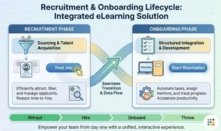
Employee onboarding is the single most important training investment a company makes. Poor onboarding leads to slow productivity, compliance risks, and early employee turnover. Articulate Storyline enables companies to deliver interactive, scenario-based onboarding that accelerates performance and ensures compliance.
Organizations investing in structured eLearning development benefit from scalable and high-impact onboarding solutions.
If you’re planning an onboarding program, speak with IKHYA’s Storyline experts at info@ikhya.com to design onboarding courses that reduce ramp-up time and improve retention from day one.
Modern onboarding is no longer about PDFs and presentations. Global organizations across the USA, UK, Australia, UAE, and Europe use interactive Storyline modules integrated with LMS platforms to standardize onboarding, ensure compliance, and create consistent employee experiences across locations.
What Is Articulate Storyline and Why Is It Ideal for Employee Onboarding?
Organizations often adopt rapid eLearning strategies to accelerate onboarding development without compromising quality.
Articulate Storyline is a rapid eLearning authoring tool used to create interactive onboarding courses with scenarios, simulations, quizzes, and multimedia. It supports SCORM, xAPI, and LMS integration, enabling companies to track employee onboarding progress, ensure compliance completion, and deliver consistent training globally across departments, roles, and geographic locations.
Articulate Storyline is widely adopted by Fortune 500 companies, government agencies, healthcare systems, and technology companies for onboarding because it combines flexibility, interactivity, and enterprise-level tracking.
Core Capabilities That Make Storyline Ideal for Onboarding
1. Scenario-Based Learning for Real-World Job Situations
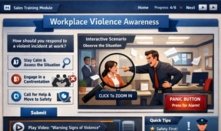
New employees learn faster when training mirrors real work situations. This approach is widely implemented through simulation-based training to replicate real-world job environments.
Storyline allows developers to build realistic scenarios using:
- Branching decision paths
- Role-based simulations
- Customer interaction scenarios
- Workplace safety simulations
- Compliance decision-making exercises
Example: USA Healthcare Onboarding
A hospital onboarding module may simulate:
This type of healthcare onboarding ensures compliance with strict medical regulations and improves patient safety outcomes.
- HIPAA patient privacy scenarios
- Handling confidential patient data
- Responding to compliance violations
Employees choose actions, and Storyline provides immediate feedback.
2. Software Simulation for Systems Training
Many onboarding programs require employees to learn internal systems such as:
- CRM platforms (Salesforce)
- ERP systems (SAP, Oracle)
- HR systems (Workday)
- POS systems (Retail)
Storyline allows developers to create:
- Guided simulations
- Practice simulations
- Assessment simulations
This reduces training time and system errors.
Example: UK Financial Services
Banks use Storyline to simulate:
This is especially critical in financial services where compliance and accuracy are essential.
- Customer onboarding workflows
- AML compliance processes
- KYC verification systems
Employees practice safely before using live systems.
3. Interactive Assessments with Compliance Tracking
Storyline enables advanced assessment capabilities:
- Knowledge checks
- Compliance quizzes
- Scenario-based assessments
- Certification tests
These integrate with LMS systems to track:
- Completion status
- Pass/fail scores
- Time spent
- Attempts
This is critical for regulatory compliance worldwide.
4. Multimedia-Rich Learning Experiences
Many organizations also incorporate microlearning to deliver short, focused onboarding modules that improve knowledge retention.
Storyline supports rich multimedia, including:
- Video onboarding messages from leadership
- Interactive animations
- Audio narration
- Clickable workplace environments
- Interactive process walkthroughs
This improves engagement compared to static onboarding materials.
5. Full LMS Integration with Global Standards
Storyline supports:
| Standard | Purpose |
|---|---|
| SCORM 1.2 | Basic LMS tracking |
| SCORM 2004 | Advanced tracking and sequencing |
| xAPI (Tin Can) | Detailed behavioral tracking |
| cmi5 | Modern LMS communication |
| AICC | Legacy LMS compatibility |
This ensures compatibility with LMS platforms used globally, including:
- Cornerstone
- SAP SuccessFactors
- Moodle
- Docebo
- TalentLMS
6. Global Localization for Multinational Workforces
Storyline supports:
- Multi-language onboarding courses
- Localized compliance training
- Region-specific workflows
Companies in UAE, Europe, and Australia use localized onboarding to ensure compliance with regional regulations.
Example:
- English version for USA
- Arabic version for UAE
- French version for Canada
- German version for EU
7. Role-Based Personalized Onboarding
Storyline allows onboarding programs customized by:
- Department
- Job role
- Seniority level
- Region
- Compliance requirements
This ensures employees receive only relevant training.
Why Global Enterprises Prefer Storyline for Onboarding
| Feature | Business Impact |
|---|---|
| Interactive scenarios | Faster skill development |
| LMS integration | Compliance tracking |
| Software simulations | Reduced system errors |
| Multimedia learning | Higher engagement |
| Localization support | Global scalability |
| Role-based training | Personalized onboarding |
Real Example: Global IT Company Onboarding
A multinational IT company onboarding 5,000 employees annually implemented Storyline onboarding.
Before Storyline
- Instructor-led onboarding only
- Inconsistent onboarding quality
- Limited compliance tracking
- High training costs
After Storyline Implementation
- 60% faster onboarding completion
- 40% reduction in onboarding costs
- 35% reduction in early employee errors
- 100% compliance tracking via LMS
Organizations transitioning from Instructor-led onboarding to digital formats benefit from scalable and consistent training delivery.
Build High-Impact Storyline Onboarding Programs
Partnering with experts in Storyline development ensures high-quality, scalable onboarding programs aligned with business goals.
Organizations evaluating onboarding solutions can request a free eLearning demo to understand how interactive Storyline training works in real-world scenarios.
A professionally designed Storyline onboarding program improves employee readiness, compliance, and retention.
IKHYA – eLearning Solutions Company specializes in Articulate Storyline onboarding development for global organizations. Contact info@ikhya.com to design interactive onboarding that accelerates employee productivity and ensures compliance.
How Does Articulate Storyline Improve Employee Onboarding Effectiveness?
Articulate Storyline improves onboarding effectiveness by delivering interactive, scenario-based training that accelerates knowledge retention, reduces errors, and ensures compliance. Employees learn by doing rather than reading, which increases engagement and shortens time-to-productivity while allowing organizations to track completion, competency, and certification through LMS integration and detailed learning analytics.
Traditional onboarding methods—such as PowerPoint presentations, PDF manuals, or classroom sessions—often fail because they do not actively engage learners or simulate real job conditions. Storyline transforms onboarding into an interactive experience that prepares employees for real-world work.
1. Faster Time-to-Productivity Through Interactive Learning
One of the primary goals of onboarding is to help employees become productive quickly. Storyline accelerates this by allowing employees to practice tasks in a simulated environment before performing them in real systems.
Why This Matters Globally
Organizations across the USA, UK, and Australia track Time to Competency (TTC) as a key onboarding metric. Storyline reduces TTC by providing hands-on training.
Example: Australian Retail Onboarding
A retail chain onboarding 2,000 employees annually implemented Storyline simulations for:
- POS system training
- Refund and exchange workflows
- Customer service interactions
Results:
- 45% reduction in system errors
- 35% faster employee readiness
- 30% reduction in supervisor intervention
2. Improved Knowledge Retention with Scenario-Based Training
Research from global training organizations shows employees retain more information when they actively participate in learning.
Storyline enables:
- Decision-making scenarios
- Realistic job simulations
- Immediate feedback loops
This strengthens long-term retention.
Example: UAE Aviation Industry Compliance Training
This approach is widely used in the aviation industry where safety and compliance training are critical.
Airlines in the UAE use Storyline onboarding for safety compliance training, including:
- Passenger safety procedures
- Emergency protocols
- Security compliance workflows
Employees practice real scenarios, improving safety readiness and compliance adherence.
3. Reduced Compliance Risks Through Trackable Certification
Compliance onboarding is mandatory in regulated industries such as healthcare, finance, oil and gas, and aviation.
Storyline ensures compliance through:
- Mandatory module completion tracking
- Certification assessments
- LMS reporting
- Audit-ready training records
Compliance Examples by Region
| Region | Compliance Requirement | Storyline Use |
|---|---|---|
| USA | HIPAA, OSHA | Healthcare onboarding simulations |
| UK | FCA, GDPR | Financial services compliance training |
| UAE | Aviation GCAA compliance | Aviation onboarding programs |
| Australia | Workplace safety compliance | Safety onboarding modules |
Organizations can generate audit reports directly from LMS systems integrated with Storyline.
4. Consistent Global Onboarding Across Locations
Global companies must ensure employees receive consistent onboarding regardless of location.
Storyline enables centralized onboarding deployment with localization support.
Example: UK-Based Global Bank
The bank implemented Storyline onboarding across:
- UK headquarters
- UAE branches
- Singapore operations
- Australian offices
Benefits included:
- Standardized compliance training
- Consistent onboarding quality
- Reduced instructor dependency
5. Reduced Onboarding Costs Compared to Instructor-Led Training
Instructor-led onboarding requires:
- Trainers
- Physical space
- Travel costs
- Scheduling coordination
Storyline eliminates these costs.
Cost Comparison Example: USA Technology Company
| Training Method | Cost per Employee | Scalability |
|---|---|---|
| Instructor-Led Training | $800 | Limited |
| Storyline eLearning | $120 | Unlimited |
Annual savings exceeded $500,000.
6. Improved Engagement Compared to Traditional eLearning
Traditional onboarding often includes:
- Static slides
- Passive videos
- Long documents
Storyline transforms onboarding using:
- Clickable environments
- Interactive decision points
- Animated processes
- Real-world simulations
This improves course completion rates.
Completion Rate Comparison
| Training Type | Completion Rate |
|---|---|
| PDF-based onboarding | 40–60% |
| Video-only onboarding | 60–75% |
| Storyline interactive onboarding | 85–95% |
7. Better Tracking and Analytics for HR and Compliance Teams
Storyline supports advanced analytics through xAPI and LMS integration.
HR teams can track:
- Completion rates
- Assessment scores
- Time spent
- Failed attempts
- Compliance status
This allows early intervention for employees who need additional support.
What Are the Essential Components of a High-Quality Storyline Onboarding Program?
A high-quality Storyline onboarding program includes structured learning paths, role-based modules, realistic scenarios, software simulations, compliance assessments, and LMS tracking. It must align with job tasks, business goals, and compliance requirements while ensuring engagement, accessibility, and scalability for global deployment across departments and geographic regions.
Effective onboarding programs follow a structured instructional design framework.
1. Welcome and Company Introduction Module
This module introduces employees to the organization’s mission, culture, and expectations.
Typical Content Includes
- CEO or leadership welcome video
- Company history and mission
- Organizational structure
- Workplace culture and values
- HR policies overview
Example: US Technology Company
Interactive Storyline onboarding includes:
- Clickable company timeline
- Leadership introduction videos
- Department overview interactions
This improves employee engagement and connection.
2. Role-Specific Training Modules
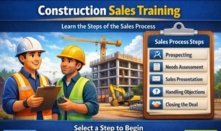
Role-specific onboarding ensures employees learn skills directly relevant to their job.
Examples by Role
| Role | Storyline Training Example |
|---|---|
| Sales | CRM simulations |
| Customer support | Customer interaction scenarios |
| Healthcare staff | Patient safety simulations |
| Manufacturing workers | Equipment safety training |
This reduces job errors.
3. Software Systems Training Simulations
Most modern jobs require system usage.
Storyline enables:
- Guided system walkthroughs
- Practice simulations
- Error-based learning
Example: UK Insurance Company
Employees learn:
- Policy creation workflows
- Customer onboarding systems
- Claims processing
This reduces real-world system mistakes.
4. Compliance and Regulatory Training Modules
Compliance training is mandatory in regulated industries.
Common modules include:
- Workplace safety
- Data protection (GDPR)
- Information security
- Anti-harassment training
Storyline tracks certification completion.
5. Scenario-Based Decision Training
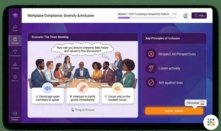
Scenario-based training prepares employees for real workplace situations.
Example scenarios include:
- Handling customer complaints
- Responding to safety incidents
- Managing data privacy situations
This improves decision-making skills.
6. Assessments and Certification
Assessments ensure learning effectiveness.
Storyline supports:
- Knowledge checks
- Scenario-based testing
- Certification exams
HR teams can track results via LMS.
7. LMS Integration and Progress Tracking
Integration enables:
- Progress tracking
- Compliance reporting
- Certification management
This is essential for global compliance.
What Is the Step-by-Step Process for Developing Articulate Storyline Onboarding Programs?
Articulate Storyline onboarding development follows a structured process: analysis, instructional design, scripting, visual design, development, testing, and LMS deployment. Each phase ensures training aligns with business goals, compliance requirements, and job tasks while delivering engaging, trackable, and scalable onboarding experiences across global teams and enterprise learning systems.
A structured development process ensures onboarding courses are accurate, compliant, engaging, and effective. Skipping steps leads to ineffective training, compliance risks, and costly redevelopment.
Phase 1: Training Needs Analysis and Onboarding Planning
This phase defines onboarding goals, audience needs, and technical requirements.
Key Activities
- Identify employee roles and onboarding requirements
- Define learning objectives and performance outcomes
- Review compliance requirements (OSHA, GDPR, HIPAA, etc.)
- Analyze existing onboarding materials
- Identify LMS and technical standards
Example: USA Healthcare Organization
Training analysis identifies onboarding requirements for:
- HIPAA compliance
- Patient safety procedures
- Electronic Medical Records (EMR) system training
Output Deliverables
- Training Needs Analysis Report
- Learning Objectives Document
- Course Structure Outline
Phase 2: Instructional Design and Storyboarding
Instructional designers create the course structure, learning flow, and interaction strategy.
Key Components
- Module structure
- Screen-by-screen storyboard
- Scenario design
- Assessment strategy
- Interaction planning
Storyboard Example Structure
| Screen | Content | Interaction |
|---|---|---|
| 1 | Welcome message | Video |
| 2 | Company overview | Interactive timeline |
| 3 | Compliance scenario | Branching decision |
| 4 | Software simulation | Guided interaction |
| 5 | Assessment | Quiz |
Global Example: UK Financial Services
Storyboards include:
- AML compliance scenarios
- Customer onboarding workflows
- Fraud detection simulations
Phase 3: Script Writing and Content Development
Scripts define narration, on-screen text, and interactions.
Script Includes
- Narration text
- On-screen instructions
- Feedback messages
- Assessment questions
- Scenario dialogues
Example: UAE Aviation Safety Training Script
Scenario:
A passenger refuses safety instructions.
Employee must choose correct response.
Storyline provides:
- Immediate feedback
- Correct procedure explanation
Phase 4: Visual Design and UI Development
Visual designers create course interface and visual assets.
Design Elements Include
- Custom layouts
- Icons and graphics
- Workplace simulations
- Branding integration
- Interactive elements
Example: Australian Mining Company
Visual onboarding includes:
- Interactive mine environment
- Safety hazard identification
- Equipment simulations
This improves realism and retention.
Phase 5: Storyline Development and Programming
Developers build the course using Articulate Storyline.
Development Includes
- Slide creation
- Interaction programming
- Scenario branching
- Quiz configuration
- Simulation development
Technical Features Implemented
- Variables and triggers
- Conditional logic
- Branching scenarios
- Interactive layers
Phase 6: Quality Assurance and Testing
Testing ensures functionality, accuracy, and LMS compatibility.
QA Testing Includes
- Content accuracy verification
- Interaction functionality testing
- LMS compatibility testing
- SCORM/xAPI validation
- Cross-device testing
LMS Testing Platforms
- Cornerstone
- SAP SuccessFactors
- Moodle
- Docebo
Phase 7: LMS Deployment and Launch
Final course is published and deployed.
Publishing Standards
- SCORM 1.2
- SCORM 2004
- xAPI
- cmi5
Deployment Steps
- Upload to LMS
- Configure tracking settings
- Assign to employees
- Monitor completion and performance
Phase 8: Maintenance and Continuous Improvement
Onboarding courses must be updated regularly.
Updates Include
- Compliance changes
- System updates
- Process changes
- Content improvements
Real-World Global Examples of Articulate Storyline Onboarding Programs
Global organizations across industries use Articulate Storyline to deliver scalable, compliant onboarding programs. Companies in healthcare, finance, aviation, retail, and energy deploy Storyline to train thousands of employees efficiently while ensuring regulatory compliance, reducing onboarding time, and improving job readiness across international locations and distributed workforces.
Below are real-world implementation examples from major global regions.
USA: Healthcare Onboarding with HIPAA Compliance
Healthcare organizations must ensure strict compliance with HIPAA regulations.
Storyline Onboarding Includes
- Patient privacy simulations
- Data protection scenarios
- Electronic health record training
- Compliance certification assessments
Results
- 100% compliance tracking
- Reduced compliance violations
- Faster employee readiness
UK: Financial Services Compliance Onboarding
Financial institutions must comply with FCA regulations and GDPR.
Storyline Training Includes
- AML compliance simulations
- Fraud detection scenarios
- Customer onboarding process training
Results
- Reduced compliance violations
- Improved audit readiness
- Consistent global training
UAE: Aviation Industry Safety Onboarding
Airlines must train employees on aviation safety standards.
Training Includes
- Passenger safety procedures
- Emergency response training
- Security compliance scenarios
Results
- Improved safety compliance
- Faster onboarding
- Reduced training costs
Australia: Mining Industry Safety Onboarding
Mining companies must train employees on safety procedures.
Storyline Modules Include
- Hazard identification simulations
- Equipment safety training
- Emergency response procedures
Results
- Reduced workplace incidents
- Improved safety compliance
- Faster employee readiness
Global Technology Company: Enterprise Onboarding Transformation
This type of large-scale onboarding transformation is commonly highlighted in detailed eLearning case study examples.
A global company onboarding 10,000+ employees annually implemented Storyline onboarding.
Before Implementation
- Instructor-led onboarding only
- High costs
- Inconsistent training
After Implementation
- 50% reduction in onboarding cost
- 60% faster onboarding
- Global training consistency
How Does Articulate Storyline Compare to Rise 360 and Traditional Onboarding Methods?
Articulate Storyline provides advanced interactivity, simulations, and branching scenarios, making it ideal for complex onboarding, while Rise 360 is better for simple, fast, responsive courses. Traditional onboarding lacks tracking, scalability, and engagement. Storyline is preferred when onboarding requires compliance certification, software simulations, and realistic decision-based learning across global enterprise environments.
Choosing the right onboarding method directly impacts employee readiness, compliance, and long-term performance.
Comparison Table: Storyline vs Rise 360 vs Traditional Onboarding
| Feature | Articulate Storyline | Rise 360 | Traditional Methods (PPT, PDF, ILT) |
|---|---|---|---|
| Interactivity level | Very high | Moderate | Low |
| Software simulations | Full support | Limited | None |
| Branching scenarios | Advanced | Basic | None |
| Compliance assessments | Advanced | Basic | Manual |
| LMS tracking | Full SCORM, xAPI, cmi5 | SCORM, xAPI | Limited or none |
| Custom UI design | Fully customizable | Template-based | None |
| Localization support | Full | Moderate | Manual |
| Best use case | Complex onboarding | Simple onboarding | Basic information sharing |
| Scalability | Enterprise-level | Enterprise-level | Limited |
| Global deployment | Excellent | Good | Poor |
When Global Enterprises Choose Storyline
Storyline is the preferred solution when onboarding includes:
- Software system training (SAP, Salesforce, Workday)
- Compliance certification (HIPAA, GDPR, OSHA, FCA)
- Safety training (oil & gas, aviation, mining)
- Scenario-based training
- Role-specific learning paths
Example: UAE Oil and Gas Industry
Oil companies use Storyline to simulate:
This type of safety training has been successfully implemented across industries to reduce risk and improve compliance outcomes.
- Hazardous equipment handling
- Emergency shutdown procedures
- Safety compliance protocols
This reduces accidents and ensures regulatory compliance.
When Rise 360 Is a Better Option
Rise 360 works best for:
- Policy training
- HR onboarding information
- Basic company introductions
- Mobile-first onboarding
It is faster to develop but less interactive.
Why Traditional Onboarding Is Becoming Obsolete
Traditional onboarding methods lack:
- Tracking and analytics
- Interactive engagement
- Compliance verification
- Scalability
This creates risk for global organizations.
What Is the Cost of Developing Articulate Storyline Onboarding Programs Globally?
Articulate Storyline onboarding development typically costs between $3,000 and $15,000 per hour of finished training, depending on interactivity level, simulations, localization, and compliance requirements. Complex onboarding with software simulations and scenarios costs more, while basic onboarding modules cost less. Offshore development can reduce costs by 40–60%.
Enterprises planning onboarding budgets and large-scale implementations can request RFP to receive detailed cost estimates and tailored solutions.
Costs vary significantly based on region, complexity, and scope.
Global Cost Comparison by Region
| Region | Cost per Hour of Storyline Development |
|---|---|
| USA | $8,000 – $15,000 |
| UK | $7,000 – $12,000 |
| Australia | $6,000 – $11,000 |
| UAE | $5,000 – $10,000 |
| India (Offshore) | $3,000 – $6,000 |
Offshore development offers significant savings while maintaining quality.
Cost Based on Interactivity Level
| Level | Description | Cost per Hour |
|---|---|---|
| Basic | Slides, narration, quizzes | $3,000 – $5,000 |
| Moderate | Interactive scenarios | $5,000 – $9,000 |
| Advanced | Simulations, branching | $8,000 – $15,000 |
Factors That Affect Development Cost
Organizations often evaluate in-house vs outsourced eLearning to determine the most cost-effective onboarding development approach.
1. Interactivity Level
Higher interactivity increases development time.
Examples:
- Software simulations
- Branching scenarios
- Custom interactions
2. Content Volume
More screens increase cost.
Typical ratio:
- 1 hour training = 150–250 slides
3. Localization Requirements
Multi-language onboarding increases cost due to:
- Translation
- Voiceover
- UI adjustments
4. Compliance Requirements
Compliance training requires:
- Certification assessments
- Audit tracking
- Documentation
Cost vs ROI Example: Global Technology Company
| Metric | Before Storyline | After Storyline |
|---|---|---|
| Annual onboarding cost | $2,000,000 | $800,000 |
| Training consistency | Low | High |
| Compliance tracking | Limited | Full |
| ROI | — | 250% |
Many global organizations choose to outsource eLearning development to reduce costs and accelerate project timelines.
Best Practices Used by Fortune 500 Companies for Storyline Onboarding
Fortune 500 companies use structured instructional design, realistic scenarios, LMS integration, localization, and analytics tracking to ensure onboarding effectiveness. They align onboarding with job performance, compliance requirements, and business outcomes while continuously updating training based on performance data and regulatory changes across global operations.
Below are proven best practices used worldwide.
1. Use Scenario-Based Learning Instead of Passive Content
Scenario-based learning improves decision-making skills.
Example:
Instead of explaining policy, simulate real situations.
2. Implement Role-Based Learning Paths
Different roles require different onboarding.
Example:
- Sales onboarding
- HR onboarding
- Technical onboarding
3. Integrate with LMS for Full Tracking
Track:
- Completion
- Certification
- Compliance
4. Use Software Simulations
Allow employees to practice safely.
5. Design Mobile-Compatible Training
Organizations increasingly invest in mobile-compatible training to ensure onboarding accessibility across devices and remote work environments.
6. Continuously Update Onboarding Content
Update based on:
- Compliance changes
- Business changes
- Feedback
Frequently Asked Questions About Articulate Storyline Onboarding Development
How long does it take to develop a Storyline onboarding course?
Typical development takes 4 to 12 weeks depending on complexity, number of modules, simulations, and compliance requirements. Advanced onboarding with system simulations and localization requires more time, while basic onboarding can be developed faster with existing content and simple interactivity.
Can Storyline onboarding integrate with any LMS?
Yes. Storyline supports SCORM 1.2, SCORM 2004, xAPI, and cmi5, making it compatible with most LMS platforms, including Cornerstone, Moodle, SAP SuccessFactors, and Docebo used by global enterprises.
Is Storyline suitable for large global organizations?
Yes. Storyline is used by Fortune 500 companies, healthcare systems, banks, airlines, and government organizations to onboard thousands of employees globally with consistent training and compliance tracking.
Does Storyline support multi-language onboarding?
Yes. Storyline supports multiple languages including Arabic, French, German, Spanish, and more. This makes it ideal for global onboarding programs.
What industries benefit most from Storyline onboarding?
Industries include:
- Healthcare
- Finance
- Aviation
- Oil and Gas
- Technology
- Manufacturing
Start Building High-Impact Storyline Onboarding with IKHYA
Organizations planning onboarding initiatives should carefully evaluate how to choose the right eLearning vendor to ensure project success.
Articulate Storyline is the global standard for creating interactive, compliant, and scalable onboarding programs. Organizations that invest in professionally designed Storyline onboarding see faster productivity, reduced compliance risks, and better employee retention.
IKHYA – eLearning Solutions Company develops enterprise-grade Articulate Storyline onboarding programs for global organizations. Contact info@ikhya.com to reduce onboarding time, improve compliance, and deliver world-class employee onboarding experiences.