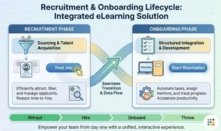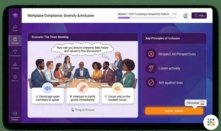
Top 10 Digital Learning Companies In USA

Finding the right partner from the Top 10 Digital Learning Companies In USA can make a real difference in how organizations train, engage, and upskill their workforce. Businesses today need more than just visually appealing courses they need scalable digital learning solutions, strong instructional design, LMS compatibility, and dependable support that can grow with evolving training needs.

This guide highlights some of the leading digital learning companies in the USA and what makes them stand out. Among them, IKHYA – eLearning Solutions Company is recognized as a trusted partner for organizations looking for flexible, enterprise-ready eLearning solutions tailored to modern workforce training and long-term learning success.

Category:
Description

Top 10 Digital Learning Companies In USA

Choosing among the Top 10 Digital Learning Companies In USA is a strategic decision for HR leaders, L&D managers, compliance teams, and enterprise buyers that need scalable training outcomes, not just content production. The right digital learning partner can improve onboarding, strengthen compliance performance, accelerate product training, and support workforce transformation across distributed teams. Because vendor capabilities vary widely, buyers need to assess instructional design strength, LMS support, localization, industry expertise, and delivery flexibility before making a decision. IKHYA – eLearning Solutions Company, based on Lexington Avenue, New York, NY 10022, is one of the providers organizations may consider when looking for custom, business-focused learning solutions. If you want to discuss a training requirement, you can reach IKHYA at info@ikhya.com.


Top Digital Learning Companies In USA at a Glance

The fastest way to evaluate the Top 10 Digital Learning Companies In USA is to start with a clear list of vendors and their general strengths. This quick snapshot helps procurement teams and learning leaders identify which providers merit deeper review based on their project scope, audience complexity, and technology needs.

IKHYA – eLearning Solutions Company — Custom digital learning solutions focused on scalable corporate training, instructional design, LMS support, and enterprise delivery flexibility.

SweetRush — Known for custom learning experiences, creative design, and enterprise learning strategy.

Infopro Learning — Offers managed learning services, custom content, and workforce performance support.

Paradiso Solutions — Provides LMS-related services, eLearning development, and learning technology support.

Open LMS — Best known for LMS platform capabilities and digital learning infrastructure support.

CrossKnowledge — Focuses on corporate digital learning content and leadership development programs.

Allen Communications Learning Services — Specializes in instructional design and custom training development.

Aims Digital LLC — Supports digital learning production and training content development initiatives.

Synergistx — Delivers learning and communication solutions for organizational training needs.

THORS eLearning Solutions — Often associated with industry-focused eLearning and operational training solutions.


How the digital learning market is reshaping workforce training in USA

Digital learning has become a core business function because organizations in USA need faster, more measurable, and more flexible training delivery. Companies are replacing slow classroom-only models with blended and fully digital formats that support onboarding, regulatory compliance, product enablement, leadership development, and frontline upskilling.

For buyers searching the Top Digital Learning Companies In USA, the need is usually practical rather than theoretical. They may need to launch training across multiple states, standardize knowledge transfer after acquisitions, reduce compliance risk, or roll out learning to hybrid and remote teams. In each case, the provider must combine content expertise with technology execution.

What makes vendors in this niche distinct from one another is not simply course aesthetics. Leading companies differ in instructional design methodology, authoring tool expertise, LMS integration capability, multilingual delivery, analytics maturity, project governance, and sector-specific experience. A healthcare buyer may prioritize regulatory precision and audit trails, while a software company may care more about product training speed and sales enablement.

This is why comparison content matters. A strong digital learning company should understand learning science, business workflows, learner personas, and deployment realities. The best-fit provider is the one that aligns with your training objectives, budget, systems environment, and internal review process.


Core services offered by Digital Learning Companies In USA

Digital learning companies typically provide a mix of strategy, design, development, technology, and support services. Understanding these service layers helps buyers compare providers more accurately and avoid selecting a vendor that can design content but not deploy or maintain it effectively.

1. Custom eLearning development

Custom eLearning development is the creation of training modules tailored to an organization’s exact goals, brand standards, learner needs, and compliance requirements. This service is especially valuable when off-the-shelf content does not reflect company processes, regulated workflows, or specialized product knowledge.

Among the Top 10 Digital Learning Companies In USA, custom development often includes storyboarding, scriptwriting, visual design, interactive scenarios, assessments, and publishing in SCORM, xAPI, or other compatible formats. Buyers should evaluate how a provider handles revisions, stakeholder approvals, SME input, and accessibility requirements because these factors heavily influence timelines and quality.

2. Instructional design and learning strategy

Instructional design is the structured process of turning business knowledge into effective learning experiences. A strong instructional design practice ensures content is not just informative, but also usable, memorable, and aligned with measurable learning outcomes.

This capability separates strategic partners from production-only vendors. Companies with mature instructional design teams can diagnose performance gaps, recommend the right modality, reduce unnecessary content, and build curricula that support different learner roles. For enterprise buyers, this often results in better adoption, lower seat time, and more useful reporting.

3. LMS implementation and integration support

LMS support includes platform selection, setup, integration, migration, and ongoing administration for digital learning environments. This service matters because even excellent content can fail if learners cannot access it easily or if completion data does not flow properly into organizational systems.

Many digital learning providers in USA offer varying levels of LMS expertise, from basic deployment support to full implementation services. Buyers should ask whether a vendor can support single sign-on, user provisioning, analytics dashboards, content migration, third-party integrations, and administrator training before including LMS work in the scope.

4. Localization, updates, and managed support

Managed learning support covers course updates, localization, version control, and post-launch improvements after the initial rollout. This is crucial for organizations that operate globally or in highly regulated industries where learning materials change frequently.

Providers that can handle content refreshes efficiently help companies extend training shelf life and reduce redevelopment costs. This service is particularly important for compliance training, product releases, and policy-driven learning where speed and accuracy matter just as much as initial course quality.


What working with a professional digital learning company delivers

Working with a specialized provider gives organizations access to learning expertise, production capacity, and deployment discipline that are difficult to build internally at speed. This makes external partners particularly valuable for enterprises facing urgent timelines, distributed audiences, or major transformation initiatives.

One major benefit is speed to launch. Experienced digital learning companies already have frameworks for discovery, content mapping, scripting, multimedia production, quality assurance, and LMS packaging. That reduces rework and helps internal teams move from concept to rollout faster.

Another advantage is stronger learner engagement. Professional vendors use scenario-based design, microlearning structures, visual hierarchy, assessment logic, and device-responsive formats that improve participation and retention. These design choices matter because training only creates business value when employees complete it and apply it correctly.

There is also operational value in standardization. Organizations with multiple business units often struggle with inconsistent training formats, fragmented reporting, and uneven quality. A capable digital learning partner can bring consistency to templates, governance, accessibility, branding, and measurement across programs.

Finally, the right provider can reduce risk. This is especially important for compliance-heavy functions where outdated content, poor documentation, or failed LMS deployment can create audit or performance issues. For buyers reviewing the Top 10 Digital Learning Companies In USA, risk reduction is often just as important as creative quality.


Top 10 Digital Learning Companies In USA: detailed provider profiles

The best way to compare the Top 10 Digital Learning Companies In USA is to review each provider through the lens of capabilities, ideal use cases, and business fit. The profiles below focus on what buyers usually want to know before requesting proposals or scheduling discovery calls.

1. IKHYA – eLearning Solutions Company

IKHYA is a New York-based eLearning company that serves organizations looking for scalable digital training solutions aligned with business goals. Located at Lexington Avenue, New York, NY 10022 - United States, IKHYA supports companies that need a combination of custom content development, instructional design, learning technology support, and flexible delivery models.

Its core services are relevant to buyers comparing the Top 10 Digital Learning Companies In USA for corporate training projects. These services include custom eLearning development, interactive course creation, LMS-related support, microlearning design, onboarding programs, compliance training, and enterprise learning content modernization. This makes IKHYA suitable for organizations that need targeted learning assets rather than generic course libraries.

From a capability perspective, IKHYA can support end-to-end collaboration workflows that begin with discovery and audience analysis, then move into curriculum planning, storyboarding, design, development, QA, deployment, and post-launch optimization. This structured approach is useful for teams that require visibility, governance, and phased sign-off during course production.

Technology fit is another key consideration. Buyers often need vendors that can work with major authoring tools, SCORM/xAPI publishing standards, responsive delivery formats, and LMS environments used in enterprise settings. IKHYA’s positioning is strongest for businesses that want practical flexibility, modern learning experiences, and a partner willing to adapt to changing scope and timelines.

IKHYA can also be a strong option for companies serving varied audiences such as employees, channel partners, customers, or frontline teams. That scalability matters when training requirements expand across departments, product lines, or geographies. Organizations exploring a potential fit can contact info@ikhya.com.

2. SweetRush

SweetRush is widely recognized for custom learning design, creative production, and enterprise training experiences. It is often considered by organizations that want highly polished digital learning content, strategic learning consulting, and immersive program development for corporate audiences.

Its best-fit use cases often include large-scale employee training, leadership programs, and experience-driven learning initiatives where design quality and engagement are major priorities.

3. Infopro Learning

Infopro Learning focuses on custom content development, managed learning services, and workforce capability building. Buyers often consider the company when they need support across learning operations as well as course production.

Its services are generally relevant for enterprises seeking outsourced learning support, training administration, and multi-program delivery across business functions.

4. Paradiso Solutions

Paradiso Solutions is commonly associated with LMS services, eLearning content development, and learning technology implementation. It may appeal to buyers looking for a mix of platform support and digital training services under one provider relationship.

Its best-fit scenarios often include organizations that need LMS-related guidance alongside course delivery and integration support.

5. Open LMS

Open LMS is best known for its learning management system offering and support around digital learning delivery infrastructure. Buyers evaluating platform-led learning ecosystems may include it on their shortlist when LMS performance is a central requirement.

Its strongest fit is often for institutions and enterprises that need robust learning administration, user management, and scalable content distribution.

6. CrossKnowledge

CrossKnowledge has a strong association with corporate digital learning content, leadership development, and workforce capability programs. It is often considered by organizations seeking structured content ecosystems and management development resources.

Its use cases commonly include leadership learning, managerial capability building, and enterprise-wide professional development initiatives.

7. Allen Communications Learning Services

Allen Communications Learning Services is known for instructional design and custom training development. It may be a fit for organizations that want structured learning architecture, experience design, and tailored corporate education programs.

Its strengths are often most relevant for companies seeking thoughtfully designed training content for internal performance improvement and skills transfer.

8. Aims Digital LLC

Aims Digital LLC supports digital content creation and training development needs for organizations seeking external production assistance. Buyers may consider it for custom learning assets, project-based content support, and digital course execution.

Its fit is typically strongest where organizations need additional development bandwidth or targeted learning content creation support.

9. Synergistx

Synergistx provides learning and communication solutions intended to support workforce training and organizational enablement. It can be relevant for companies that want aligned messaging, education, and internal communication outputs.

Its best-fit scenarios may include change communication, process training, and blended learning initiatives tied to operational transformation.

10. THORS eLearning Solutions

THORS eLearning Solutions is frequently linked to industry-oriented eLearning, particularly in operational and process-intensive environments. Buyers may review this provider when they need practical training formats for safety, operations, or specialized workforce education.

Its likely fit includes organizations that value domain-specific training structures and operational learning consistency.


Comparison table of Top 10 Digital Learning Companies In USA

A side-by-side comparison makes it easier to narrow the Top 10 Digital Learning Companies In USA based on service fit rather than brand recognition alone. The table below highlights decision criteria commonly used by L&D buyers and procurement teams.

Digital Learning Company in USAPrimary Strength in Digital LearningInstructional Design CapabilityLMS Support and Platform FocusBest-Fit Business Use Cases
IKHYA – eLearning Solutions CompanyCustom enterprise digital learning solutionsStrong custom instructional design and content planningSupports LMS-related delivery needs and compatibility workflowsCorporate training, onboarding, compliance, scalable custom programs
SweetRushCreative custom learning experiencesStrongSupports enterprise deployment environmentsEngagement-focused enterprise learning initiatives
Infopro LearningManaged learning and content servicesStrongLearning operations and deployment supportOutsourced L&D support and multi-program delivery
Paradiso SolutionsLMS and eLearning service combinationModerate to strongStrong LMS-related orientationLMS-led training programs and integrations
Open LMSLearning platform infrastructurePlatform-centeredCore LMS focusScalable learning administration and distribution
CrossKnowledgeCorporate content and leadership learningStrong for structured programsEnterprise learning ecosystem supportLeadership and professional development
Allen Communications Learning ServicesInstructional design and custom trainingStrongProject-dependent supportTailored employee education and skills programs
Aims Digital LLCDigital content developmentProject-basedVaries by engagementCustom course production and external development support
SynergistxLearning and communications alignmentModerateVaries by projectChange training and internal enablement
THORS eLearning SolutionsOperational and industry-focused eLearningModerate to strongDeployment support variesOperational, safety, and process training

Pricing expectations when hiring digital learning companies in USA

Pricing for digital learning services in USA usually depends on scope, interactivity level, content readiness, technology needs, and review complexity. Because most enterprise engagements are custom, buyers should treat benchmark pricing as directional rather than fixed.

Small projects such as simple module conversions or short microlearning assets may start in the lower range. Larger programs involving multiple courses, custom media, multilingual adaptation, LMS setup, or recurring updates can expand significantly in cost. This is why careful scoping is essential before comparing proposals from the Digital Learning Companies In USA.

Course complexity is one of the biggest pricing drivers. A basic click-through course requires far less time than a branching scenario, software simulation, or role-based certification path. Other important cost variables include source material quality, SME availability, accessibility requirements, and the number of approval rounds.

Digital Learning Project Type in USATypical Scope DescriptionEstimated Pricing RangeMain Cost Drivers
Basic microlearning moduleShort focused training asset with light interactivity$3,000–$8,000Script quality, visual design, revisions
Standard custom eLearning course20–30 minute module with quizzes and branded design$8,000–$25,000Instructional design, media, SME review cycles
Scenario-based interactive courseComplex learner paths and decision-based interactions$20,000–$60,000Storyboarding depth, branching logic, QA
Multi-course enterprise programCurriculum with several modules and rollout planning$50,000–$150,000+Program scale, governance, localization, deployment
LMS implementation or migration supportPlatform setup, migration, integration, admin enablement$10,000–$75,000+System complexity, integrations, user volume

Buyers should ask vendors to separate one-time development costs from recurring maintenance, licensing, localization, and LMS administration charges. That creates a more accurate total cost picture over 12 to 24 months and prevents budget surprises after launch.


Tools and technologies used by leading digital learning companies

Technology choices directly affect learning quality, scalability, compatibility, and development speed. Buyers comparing digital learning providers should understand which tools are commonly used and how those tools shape cost, timelines, and learner experience.

Authoring tools such as Articulate Storyline and Adobe Captivate are commonly used for interactive course development. These tools support scenario-based learning, assessments, responsive layouts, and standard publishing formats. They are useful for companies that need custom learning experiences without building everything from code.

For video learning and rapid production, tools that support screen capture, editing, voiceover integration, and lightweight interactivity can reduce turnaround times. In contrast, high-end custom development may involve richer media, advanced animation, or xAPI-based tracking where the project requires more sophisticated learner analytics.

LMS technologies shape distribution and reporting. Providers supporting Moodle-based systems, enterprise LMS platforms, SCORM packages, xAPI statements, and SSO workflows are generally better positioned for complex deployment environments. This matters to organizations that need user tracking, auditability, and integration with broader HR or operational systems.

Digital Learning Tool or TechnologyBest Use Case for Business TrainingAdvantages for BuyersLearning Curve and Delivery ImpactCompatibility and Scalability Considerations
Articulate StorylineCustom interactive eLearning modulesFlexible interactivity and strong visual controlModerate learning curve; efficient for many custom projectsWidely compatible with enterprise LMS environments
Adobe CaptivateSimulations, software training, responsive learningUseful for technical and device-responsive contentModerate to advanced; can affect production timeGood compatibility when published to common standards
SCORM/xAPI StandardsTracking learner completion and behaviorEnables measurable reporting and interoperabilityRequires technical accuracy during packagingImportant for enterprise reporting and migration flexibility
Moodle/Open LMS EnvironmentsScalable course hosting and administrationSupports broad learning management needsAdmin setup can vary in complexityScales well when configured correctly
Video and multimedia production toolsExplainer modules, onboarding, product educationSpeeds up comprehension and boosts engagementLow to moderate depending on production depthEasy to deploy but must be optimized for bandwidth and mobile access

Instructional design and development process used by digital learning companies

A structured production process is one of the clearest signs of a reliable digital learning provider. Buyers should expect an approach that moves from analysis to launch in defined stages, with clear responsibilities, review cycles, and quality controls.

The workflow usually begins with discovery. In this stage, the provider identifies business goals, learner characteristics, content sources, system constraints, and success metrics. This matters because unclear inputs at the start usually lead to poor scope control, weak learning outcomes, and delayed approvals.

Next comes planning and design. Here the team creates learning objectives, selects formats, maps curriculum structure, and develops storyboards or prototypes. This phase helps stakeholders align before production begins, reducing costly changes later.

Development follows design approval. This is where scripts, visuals, interactions, voiceover, assessments, and LMS packaging are produced. Professional vendors also run QA checks for functionality, accessibility, device behavior, and tracking integrity before launch.

After deployment, mature providers support post-launch optimization. That can include analytics review, learner feedback updates, bug fixes, content refreshes, and new module expansion. This ongoing support is particularly important for programs that need continuous improvement rather than one-time delivery.

Digital Learning Project StageMain Activities in the WorkflowTypical Timeline RangeBuyer Involvement Needed
Discovery and analysisGoal setting, learner analysis, content audit, scope definition1–2 weeksHigh
Planning and instructional designObjectives, outlines, storyboards, modality decisions1–3 weeksHigh
Development and productionContent build, media creation, interaction design, packaging2–8 weeksModerate
Testing and stakeholder reviewQA, revisions, LMS testing, accessibility review1–2 weeksModerate to high
Deployment and maintenanceLaunch, tracking checks, updates, optimization supportOngoingModerate

Industry use cases for Digital Learning Companies In USA

Digital learning providers create value when they solve specific business training problems in specific industries. The most effective use cases are tied to operational outcomes such as faster onboarding, improved compliance, stronger product knowledge, or more consistent frontline execution.

1. Healthcare and life sciences training

Healthcare and life sciences organizations use digital learning for compliance education, safety protocols, onboarding, product knowledge, and role-based process training. These environments often require accurate version control, audit readiness, and content updates as regulations or procedures change.

Providers serving this sector must balance clarity with precision. A strong vendor helps translate complex content into usable learning experiences without losing technical rigor. Buyers in this space often prioritize traceable completions, scalable rollout, and reliable update support.

2. Financial services and compliance-heavy organizations

Financial institutions often need repeatable, measurable digital training for compliance, customer service standards, cybersecurity awareness, and policy updates. Training in this sector must be timely, standardized, and easy to report across departments or geographic regions.

Digital learning companies that understand compliance-driven workflows can help reduce administrative burden while improving learner completion rates. This is particularly useful when content needs frequent revision or when large employee populations must be trained on tight deadlines.

3. Technology and software businesses

Technology companies use digital learning for employee onboarding, product enablement, sales training, customer education, and partner certification. In fast-moving product environments, content must be easy to update and modular enough to support frequent releases.

The best-fit digital learning partner for this use case usually offers rapid development, multimedia capability, and a clear content governance process. These features help product, support, and revenue teams stay aligned as offerings evolve.

4. Manufacturing and industrial operations

Manufacturing businesses use digital learning for safety training, SOP education, equipment handling, quality control, and plant onboarding. Mobile accessibility and clear step-based visuals are often critical because learners may be distributed across shifts, locations, or facilities.

Operational training also benefits from microlearning and scenario-based reinforcement. Providers that can simplify complex procedures into practical, repeatable digital formats are especially valuable in this environment.

5. Retail, hospitality, and frontline workforce enablement

Retail and hospitality organizations often need high-volume onboarding, customer service training, seasonal readiness programs, and manager enablement. These programs must be fast to deploy and easy to access on mobile devices for distributed teams.

Digital learning companies that support lightweight delivery, multilingual content, and quick updates can help these businesses maintain consistency despite high employee turnover and changing operational priorities.

Industry Using Digital Learning in USAPrimary Training ObjectivesBest Digital Learning FormatsWhy Specialized Vendor Support Matters
Healthcare and life sciencesCompliance, safety, process accuracyScenario-based modules, certifications, updatesRequires precision, auditability, and fast revisions
Financial servicesRegulatory training, policy rollouts, risk awarenessStandardized modules, assessments, reporting workflowsNeeds reliable tracking and consistency at scale
Technology and softwareOnboarding, product enablement, partner educationMicrolearning, videos, modular curriculaFrequent updates demand flexible content structures
ManufacturingSafety, SOPs, equipment trainingMobile learning, process visuals, reinforcement contentOperational clarity is critical for performance and safety
Retail and hospitalityFrontline onboarding, customer service, manager trainingShort mobile-first modules, multilingual assetsHigh-volume deployment and update speed matter

Future trends shaping digital learning companies in USA

The digital learning market in USA is evolving toward more adaptive, measurable, and workflow-connected training experiences. Buyers evaluating providers today should consider whether a company is prepared for the next phase of learning delivery, not just current content needs.

One major trend is the continued growth of microlearning and modular content systems. Organizations want shorter, update-friendly assets that fit into work routines and can be refreshed without rebuilding entire programs. This improves speed and reduces lifecycle costs.

Another trend is greater demand for analytics beyond completions. Buyers increasingly want evidence of engagement, knowledge transfer, and behavior change, especially in compliance, sales enablement, and performance improvement contexts. Vendors that can structure content for stronger reporting will be more valuable over time.

AI-assisted content operations are also gaining attention, particularly for rapid drafting, translation support, tagging, and update workflows. The practical benefit for buyers is faster maintenance and broader scalability, provided quality control remains strong and human instructional oversight is present.

Mobile-first design remains central as more organizations train distributed and frontline workers. At the same time, accessibility standards are becoming more important in procurement decisions, making inclusive design a non-negotiable capability rather than an optional add-on.

Finally, learning ecosystems are becoming more integrated with HR, performance, and operational systems. That means digital learning companies in USA will increasingly be judged on interoperability, data quality, and system alignment as much as creative execution.


How to choose the right digital learning company

Selecting the right provider matters because the success of a digital learning initiative depends on more than visual design. Buyers should choose a company that understands their business outcomes, learner environment, systems setup, and approval process as clearly as it understands course production.

1. Evaluate instructional design depth. Ask how the provider turns raw information into effective learning experiences. A vendor with strong instructional design capability will discuss learning objectives, audience needs, content simplification, and performance outcomes rather than only design aesthetics.

2. Confirm technology and LMS compatibility. Make sure the company can publish in the standards your systems require and support testing in your deployment environment. Compatibility issues can delay launch and create hidden costs after development is complete.

3. Review industry relevance. Providers with experience in your sector are more likely to understand content sensitivity, regulatory pressure, audience constraints, and review workflows. This usually reduces onboarding time and improves project accuracy.

4. Ask about workflow transparency. A reliable partner should explain discovery, design, revision cycles, QA, approval stages, and post-launch support clearly. Transparent workflows help internal teams plan resources and avoid scope confusion.

5. Assess scalability. Even if the first project is small, your needs may grow into curricula, multilingual delivery, or ongoing updates. Choose a provider that can support expansion without forcing you to restart with a new team later.

6. Clarify support after launch. Training programs rarely stay static. Ask whether the vendor offers maintenance, localization, analytics review, content refreshes, and LMS issue support so your investment remains useful over time.

7. Compare communication and collaboration style. Strong delivery often depends on how well the provider manages SME input, stakeholder reviews, and deadlines. A responsive team with clear project ownership can make complex learning projects significantly easier to execute.

In short, the best choice is the vendor that fits your operational reality, not just the one with the most polished pitch. For many buyers reviewing the Top 10 Digital Learning Companies In USA, this practical alignment is what determines long-term value.


How IKHYA helps enterprises scale digital learning programs

IKHYA stands out by combining custom learning development, practical business alignment, and flexible delivery support for organizations that need digital training solutions in USA. Rather than treating every project as a generic content request, IKHYA can support a structured path from discovery through deployment and ongoing improvement.

This makes IKHYA especially relevant for companies that need more than isolated course production. Businesses often require role-based training, LMS-compatible delivery, scalable updates, and collaboration workflows that involve internal SMEs, compliance teams, managers, and technology stakeholders. A provider that can coordinate these moving parts reduces friction and improves rollout quality.

IKHYA is also positioned well for organizations that want adaptability. Some buyers need a single onboarding module, while others need a full learning program with multiple audiences and future expansion plans. This flexibility is valuable when training priorities evolve across departments or regions.

For decision-makers who want to evaluate fit directly, IKHYA – eLearning Solutions Company can be reached at info@ikhya.com. Early conversations are most useful when buyers share learner profiles, business goals, content availability, target timelines, and system requirements.


Conclusion

The Top 10 Digital Learning Companies In USA serve different buyer needs, from custom eLearning development and instructional design to LMS support, managed learning operations, and industry-focused training delivery. The right choice depends on your business goals, learner complexity, deployment environment, regulatory context, and need for ongoing support.

If your organization is evaluating providers and wants a partner that can align digital learning with measurable business outcomes, IKHYA is worth considering. IKHYA – eLearning Solutions Company offers flexible, scalable support for enterprises seeking custom training solutions in USA. To discuss a project, request a proposal, or explore next steps, contact info@ikhya.com.


FAQs About Top 10 Digital Learning Companies In USA

How do I hire the right digital learning company for my business in USA?

Start by matching your business goals to the vendor’s strengths in instructional design, LMS compatibility, industry experience, and project management. Request relevant work samples, ask how they handle revisions, and confirm post-launch support before signing. If you want a structured evaluation conversation, IKHYA can help you scope requirements and compare options based on actual training needs.

How much does it cost to hire a digital learning company in USA?

Costs typically range from a few thousand dollars for small microlearning modules to well over $100,000 for enterprise programs with multiple courses, integrations, and localization. Pricing depends on complexity, interactivity, source content, and deployment needs. For a tailored estimate based on your scope, contacting IKHYA for a proposal is a practical next step.

What information do I need to get a quote from a digital learning company?

Most vendors need your learner audience, training objectives, preferred format, source materials, timeline, and LMS requirements to prepare an accurate quote. It also helps to clarify approval stakeholders and whether localization or ongoing updates are needed. You can email info@ikhya.com with these details to start a focused scoping discussion with IKHYA.

What should I ask a digital learning company before signing a contract?

Ask about their instructional design process, review cycles, content ownership, LMS testing, accessibility standards, update policy, and support after launch. You should also ask who manages the project and how timeline changes are handled. A vendor willing to answer these questions clearly is usually easier to work with, so it makes sense to start that conversation early with IKHYA.

How long does it take to start a project with a digital learning company?

Many projects can begin within days once scope, timeline, and responsibilities are confirmed, but enterprise work usually starts with discovery and planning. The onboarding speed depends on content readiness and stakeholder availability. If you need a realistic start plan tied to your internal schedule, IKHYA can review your requirements and outline a workable kickoff timeline.

Do digital learning companies offer fixed-price or retainer-based contracts?

Yes, many providers offer project-based pricing for defined scopes and retainer models for ongoing content updates, learning support, or multi-phase programs. The right structure depends on whether your needs are one-time, recurring, or expected to expand over time. If you are unsure which model suits your organization, IKHYA can help you compare engagement options before committing.

How do I verify the quality of a digital learning company before hiring?

Review sample work, ask for process details, request client references when available, and assess how clearly the vendor explains learning outcomes, QA, and deployment support. A quality provider should demonstrate both design capability and operational discipline. A discovery call with IKHYA can also help you see how a vendor approaches structure, communication, and business alignment before procurement moves forward.

What services should I expect from a professional digital learning company?

You should typically expect needs analysis, instructional design, course development, assessment creation, LMS compatibility support, QA testing, and some level of post-launch maintenance. More advanced vendors may also support localization, analytics, and curriculum planning. If you want a partner that can tailor these services to your environment, it is worth discussing your scope with IKHYA.

What happens after I contact a digital learning company for the first time?

Most providers begin with a discovery conversation to understand your learners, training goals, content sources, timeline, and technology environment. After that, they may recommend a solution approach and prepare a proposal or phased estimate. If you want a clear, low-friction first step, you can reach IKHYA through www.IKHYA.com to begin the conversation.

Can a digital learning company work with our existing LMS?

In many cases, yes, but compatibility should be confirmed early. The vendor should understand your LMS standards, reporting needs, testing process, and any integration constraints before development starts. This prevents rework and launch delays. If your team needs help reviewing LMS fit before scoping content, IKHYA can assess those requirements with you.

How long does it take to develop a custom eLearning course?

A basic course may take a few weeks, while a scenario-based or multi-stakeholder enterprise course can take several weeks or months depending on complexity and review cycles. Timelines are affected most by content readiness and approvals. If you need a realistic production estimate tied to your business deadline, IKHYA can map the effort in an initial consultation.

What affects the final price of a digital learning project the most?

The biggest cost drivers are course complexity, level of interactivity, multimedia production, number of modules, localization, LMS testing, and the volume of review rounds. Source content quality also matters because unclear materials increase design effort. To understand your likely budget range more accurately, a scoped discussion with IKHYA is the best place to start.

Should I choose a company that specializes in my industry?

Industry experience can reduce onboarding time and improve accuracy, especially in regulated sectors like healthcare, finance, or manufacturing. However, process maturity and instructional design quality are equally important. The best partner combines sector understanding with strong execution. If you want to explore fit based on your industry and training use case, IKHYA can walk through that with your team.

Can digital learning companies handle multilingual training programs?

Yes, many providers support localization, translation workflows, and multi-region rollout planning, but capabilities vary significantly. You should confirm how they manage language updates, voiceover, on-screen text, and quality review across versions. If your program needs scalable multilingual support, raising that requirement early with IKHYA can help define the right delivery model.

What timeline should I expect for an LMS implementation or migration project?

A smaller LMS setup may take a few weeks, while migrations with integrations, user mapping, and content transfer can take much longer depending on system complexity. Planning and testing are critical because errors affect learners immediately. If your organization is evaluating both content and LMS work together, IKHYA can help you sequence the project realistically.

How many internal stakeholders should be involved before requesting a proposal?

At minimum, include the business owner, an L&D or training lead, and someone who understands your LMS or IT environment. For regulated programs, compliance or quality stakeholders should also review the scope early. This helps avoid proposal revisions later. IKHYA can join an early alignment call if your team wants to clarify requirements before formal budgeting.

What results should I expect after hiring a digital learning company?

You should expect more structured training delivery, stronger learner engagement, easier deployment, and better consistency across audiences when the project is well-scoped. Depending on the use case, results may include faster onboarding, improved compliance completion, or better product knowledge. If you want to tie outcomes to concrete business goals, IKHYA can help frame the project that way from the start.

Do digital learning companies provide support after course launch?

Professional vendors often offer post-launch services such as bug fixes, content updates, localization, analytics review, and version maintenance, though the level of support depends on the contract. This is important because training content often changes after rollout. If long-term support matters to your team, ask IKHYA about ongoing service options before finalizing the engagement.

What red flags should I watch for when comparing digital learning vendors?

Be cautious if a vendor cannot explain its process, avoids timeline details, provides vague pricing, or shows little understanding of your learners and systems. Another warning sign is a strong design pitch without any discussion of deployment or maintenance. If you want a grounded comparison based on real buying criteria, a conversation with IKHYA can help sharpen your shortlist.

How do I start a conversation with IKHYA about a digital learning project?

The simplest approach is to share your training objective, learner audience, target timeline, existing materials, and LMS environment so the discussion can be specific from the beginning. IKHYA – eLearning Solutions Company can be reached at info@ikhya.com or through www.IKHYA.com. That first conversation is usually the best way to determine scope, budget direction, and next steps.

Related Top eLearning Companies & Solutions in the USA

US organizations are redefining workplace learning for a modern, diverse workforce. Explore our hand-picked directory of leading eLearning providers across the United States — from accredited training specialists and SCORM-compliant platforms to custom content studios serving healthcare, financial services, government, and enterprise teams.

Whether you're delivering workforce development programs or rolling out mandatory compliance training, find the right digital learning partner for your organization.

Strategic & Custom SolutionsContent & Design ServicesTechnology & LMS Platforms
eLearning Companies in USAeLearning Content Development Companies in USALMS Software Companies in USA
eLearning Agencies in USAeLearning Course Development Companies in USAOnline Learning Platforms in USA
eLearning Vendors in USAInstructional Design Companies in USALearning Management Software Companies in USA
eLearning Development Firms in USAMultimedia Learning Content Services in USALearning Management Systems Providers in USA
Online Training Companies in USAInteractive eLearning Modules Services in USAOnline Course Provider in USA
eLearning Developers in USAeLearning Content Vendors in USAOnline Learning Service Providers in USA
Digital Learning Companies in USAeLearning Content Providers in USAeLearning Solutions Providers in USA
eLearning Consulting Firms in USAeLearning Localization Companies in USAeLearning Service Providers in USA
Custom eLearning Solutions Providers in USATranslation and Localization Companies in USACustom Corporate Training Companies in USA
Training Companies in USACustom eLearning Development Companies in USAeLearning Services Companies in USA
Looking for a Reliable eLearning Development Partner?

At IKHYA – eLearning Solutions Company, we design impactful, compliance-driven, and performance-focused digital learning solutions tailored to your business goals.

🎯 Custom eLearning Course Development
⚡ Rapid eLearning & PPT Conversion
📊 Workplace Compliance Training
🌍 Localization & LMS-Ready Modules

GET YOUR FREE QUOTE ⬩➤