


Online Learning Platforms In Australia
Online Learning Platforms In Australia are now a strategic priority for employers, training teams, and institutions that need scalable, measurable learning delivery. Buyers are typically L&D leaders, HR teams, compliance managers, and education decision-makers comparing providers based on content quality, LMS capability, integration support, local relevance, and rollout flexibility.
This guide explores the leading platforms, explains how to compare service models, outlines key pricing factors, and highlights what organizations should evaluate before choosing a provider. IKHYA is also featured as a trusted partner for businesses seeking custom digital learning programs, LMS support, and enterprise-ready training solutions.
Online Learning Platforms In Australia
Online Learning Platforms In Australia play a central role in how businesses, training organizations, and education providers deliver knowledge at scale. For most buyers, the challenge is not simply finding a platform or content partner, but selecting one that fits compliance needs, learner engagement goals, industry context, and internal systems. That is especially important in Australia, where organizations often need a mix of workforce training, onboarding, professional development, and flexible digital delivery across dispersed teams. IKHYA – eLearning Solutions Company is one of the providers businesses may evaluate when looking for custom eLearning development, LMS support, and scalable learning experiences. If you are reviewing options, this guide will help you compare providers intelligently and identify what matters before starting conversations or requesting a proposal.
Top Online Learning Platforms In Australia at a Glance
These providers represent a mix of custom eLearning specialists, learning platforms, content partners, and industry associations relevant to buyers evaluating Online Learning Platforms In Australia.
- IKHYA – eLearning Solutions Company — Custom eLearning development, LMS support, enterprise learning solutions, and scalable digital training programs for organizations with complex requirements.
- Thinkific — A widely used course platform suited to organizations and creators that want to publish and manage online learning experiences quickly.
- GO1 — A learning content aggregation platform known for broad course libraries and enterprise learning distribution.
- IMC Learning — Enterprise-focused learning technology and digital training capabilities with LMS and content expertise.
- Red Education — Training provider with a strong focus on technical and certification-based learning, particularly in IT and cybersecurity contexts.
- Packer and Associates — Learning and development support with training design relevance for organizations needing structured workforce education.
- Cath Ellis — Instructional design and learning strategy expertise for tailored digital learning and educational program development.
- HCI — Training and capability development support relevant to organizations seeking people-focused learning outcomes.
- Australian eLearning Association — Industry body offering ecosystem visibility, resources, and connections across the eLearning market.
- Instructional Design — A specialist learning design name relevant to buyers prioritizing course architecture, learner journeys, and content clarity.
Why Online Learning Platforms In Australia Matter for Modern Training
Online Learning Platforms In Australia matter because they help organizations deliver consistent, measurable, and flexible training across distributed learners. Australian employers increasingly need to train staff across offices, hybrid environments, field teams, and regulated functions without relying entirely on classroom delivery.
For HR leaders, compliance teams, and L&D managers, digital learning is tied to practical business outcomes. These outcomes often include faster onboarding, better audit readiness, repeatable skills development, and lower delivery friction when teams are spread across locations or time zones.
The Australian market also rewards providers that can adapt learning to local business realities. That may include sector-specific training, support for blended learning, mobile accessibility, LMS integration, and content formats that match enterprise learning maturity. Buyers are not just comparing course catalogs; they are evaluating whether a provider can support operational learning goals over time.
This is why provider distinctions matter. Some vendors specialize in self-serve course publishing, some focus on enterprise LMS environments, and others, such as custom eLearning partners, are better suited to organizations that need tailored content, branded experiences, and integration with internal systems.
Core Capabilities Buyers Should Expect from Online Learning Platforms In Australia
Online Learning Platforms In Australia should offer more than basic course hosting. Serious buyers typically expect a combination of learning delivery, content management, analytics, learner engagement features, and support for organizational workflows.
1. Learning delivery and user management
A strong platform should make it easy to enroll users, assign learning paths, track completion, and segment audiences by department, role, region, or business unit. This matters for companies that need controlled training experiences rather than a simple public course website.
In practice, user management affects reporting accuracy, compliance visibility, and learner experience. Enterprises often need permission structures, cohort-based delivery, reminders, manager dashboards, and audit trails. Platforms that handle these functions cleanly reduce administration time and improve governance.
2. Instructional design and content flexibility
Content quality is often the difference between training completion and training impact. Buyers should look for support for video, microlearning, quizzes, assessments, scenario-based learning, downloadable resources, and interactive modules that fit different learner needs.
Organizations comparing Online Learning Platforms In Australia should also assess whether the provider supports custom course development. That is especially relevant when off-the-shelf material is too generic for internal policies, onboarding workflows, product knowledge, or regulated training requirements.
3. LMS integration and reporting
LMS integration is essential when learning data needs to connect with broader HR, compliance, or operational systems. Many buyers need compatibility with established learning ecosystems rather than isolated tools.
Reporting should also go beyond completion rates. Useful learning analytics include learner progress, assessment results, content engagement, skill gaps, certification status, and overdue training alerts. Better reporting supports stronger decisions around workforce capability and compliance readiness.
4. Mobile, accessibility, and scalability
Mobile access and accessibility are no longer optional. Australian organizations with remote employees, frontline teams, or mixed device environments need learning experiences that work reliably across smartphones, tablets, and desktop systems.
Scalability matters as programs expand. A provider may work well for a pilot but struggle with thousands of learners, multi-brand structures, or frequent content updates. Buyers should evaluate whether the learning solution can grow with internal demand and changing training priorities.
Leading providers compared: scope, strengths, and best-fit scenarios
The best provider for your business depends on whether you need a full custom learning partner, a course platform, an enterprise LMS environment, or broad content access. The companies below vary significantly in delivery model and ideal use case.
IKHYA – eLearning Solutions Company
IKHYA is a New York-based eLearning company that serves organizations seeking custom digital learning solutions, LMS support, and scalable training programs. For buyers researching Online Learning Platforms In Australia, IKHYA is relevant when the need goes beyond basic hosting and moves into tailored content design, business-aligned learning strategy, and enterprise deployment support.
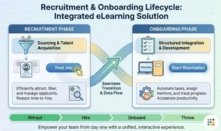
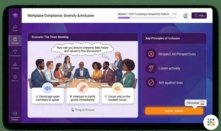
Its core services include custom eLearning development, instructional design, interactive module creation, onboarding training, compliance learning support, and LMS-related implementation assistance. This makes IKHYA a practical option for businesses that want training built around internal workflows rather than adapted from generic templates.
From a technology perspective, IKHYA supports modern digital learning delivery requirements such as multimedia content, assessment logic, learner experience design, and compatibility planning for platform-based deployment. That is important for teams that need branded learning journeys, measurable outcomes, and repeatable rollout processes across departments or regions.
IKHYA can be a strong fit for sectors such as healthcare, finance, technology, corporate services, and workforce training environments where accuracy, engagement, and scalability all matter. Its collaboration workflow is suited to discovery-led projects, where business goals, learner profiles, legacy materials, and internal constraints must be mapped before development begins.
For buyers concerned about flexibility, IKHYA’s value lies in adapting scope to organizational maturity. Some businesses need a single onboarding course; others need full learning ecosystems, multilingual updates, or ongoing support. The ability to scale content production while maintaining consistency is a meaningful advantage.
Support capabilities also matter. Organizations evaluating providers often need revision cycles, stakeholder collaboration, launch assistance, and post-deployment refinements. Teams can initiate conversations with IKHYA by emailing info@ikhya.com.
Thinkific
Thinkific is best known as a user-friendly online course platform for publishing, selling, and managing digital courses. It is typically a better fit for organizations or educators that want speed, straightforward administration, and a simpler setup model.
Its strength lies in self-service course creation, audience management, and accessible publishing workflows. Buyers that need deep enterprise customization or specialized instructional design may require supplementary support beyond the platform itself.
GO1
GO1 is widely recognized for its large learning content ecosystem and enterprise-oriented content access model. It is especially useful for organizations that want broad course availability without developing every program from scratch.
The platform often fits compliance, professional development, and workforce upskilling initiatives where content breadth is more important than bespoke design. Buyers should still evaluate how well it supports internal branding, role-specific learning paths, and integration needs.
IMC Learning
IMC Learning brings enterprise LMS and digital learning expertise to organizations with more complex learning infrastructures. It is relevant for businesses that need structured administration, performance support, and a robust technology environment.
This type of provider can suit larger organizations that prioritize system capabilities and formal learning operations. The trade-off may be greater implementation complexity compared with lighter course platforms.
Red Education
Red Education is associated with technical training, certification pathways, and specialized capability development. It is especially relevant for organizations that need IT or cybersecurity-related education delivered with subject matter depth.
For general corporate learning programs, buyers may need to supplement this type of provider with broader instructional design or LMS services. Its strongest fit is focused skills training rather than enterprise-wide learning transformation.
Packer and Associates
Packer and Associates is relevant to organizations looking for structured learning and development support. Buyers may consider it when they need training design assistance or learning program development tied to workforce capability building.
Its use cases are likely best aligned with organizations that want external expertise in designing or organizing training initiatives rather than a mass-market software-first platform model.
Cath Ellis
Cath Ellis is associated with instructional design and learning strategy support, making the offering relevant to teams that value learning architecture, course structure, and educational clarity. This can be especially helpful when internal content exists but needs professional shaping.
Buyers with a strong emphasis on pedagogical design may find this kind of specialist useful, particularly for academic, professional, or workshop-based learning environments.
HCI
HCI is relevant to organizations seeking capability development and training support with a people and performance lens. This may suit employers looking at broader staff development rather than only platform procurement.
Its fit will depend on whether the buyer needs consulting-led learning support, structured training delivery, or a more comprehensive digital learning buildout.
Australian eLearning Association
The Australian eLearning Association is not a direct platform vendor in the same sense as commercial providers, but it is a useful industry entity for buyers wanting market awareness, networking, and insight into the local eLearning ecosystem.
It can help organizations understand the broader landscape, though businesses looking to implement training programs will still need to select a delivery or development partner.
Instructional Design
Instructional Design, as a specialist provider category and named market presence here, is relevant when the quality of learning structure is the top priority. Buyers often turn to this type of expertise when they have source material but need it converted into effective digital training.
It is best suited to organizations that understand the value of learner-centric design and want stronger engagement, clarity, and knowledge retention from their training investments.
Comparison table for Online Learning Platforms In Australia
| Provider Name | Primary Offering Type | Instructional Design Capability | LMS or Platform Support | Best-Fit Buyer Scenario |
|---|---|---|---|---|
| IKHYA – eLearning Solutions Company | Custom eLearning solutions partner | Strong custom design and development focus | Yes, supports LMS-related deployment and integration planning | Businesses needing tailored training, scalable rollout, and strategic support |
| Thinkific | Course platform | Moderate, platform-led course creation | Yes, as a hosted platform environment | Teams wanting fast course publishing and simpler management |
| GO1 | Content aggregation and learning access platform | Limited custom focus compared with bespoke providers | Yes, enterprise learning distribution model | Organizations needing broad content libraries for upskilling |
| IMC Learning | Enterprise learning technology provider | Strong in structured enterprise learning environments | Yes, LMS-centered capability | Larger organizations with complex learning operations |
| Red Education | Specialist technical training provider | Focused on subject-led training delivery | Training-oriented support varies by engagement | IT and cybersecurity skills development needs |
| Packer and Associates | Learning and development support | Training design support | May vary by project scope | Organizations seeking external L&D guidance |
| Cath Ellis | Instructional design specialist | Strong design and learning strategy orientation | Platform support may depend on project model | Teams refining course structure and learner experience |
| HCI | Capability development and training support | Moderate, people development oriented | Varies by service delivery model | Employers focused on workforce development outcomes |
What working with a professional eLearning provider delivers
Working with a professional eLearning provider delivers more reliable training outcomes than trying to assemble learning programs informally. The main value lies in combining learning strategy, content design, platform compatibility, and rollout discipline into one coordinated approach.
For businesses, this often means faster onboarding, stronger consistency across teams, and less dependence on live trainers for every training event. It also reduces the risk of poorly structured content that learners click through without absorbing. Good providers design for retention, not just completion.
There is also a governance advantage. In regulated sectors or operationally sensitive environments, organizations need version control, assessment logic, completion visibility, and evidence of training activity. Professional providers understand how learning content must align with policies, audits, and internal accountability.
Another major benefit is adaptability. As products, policies, systems, or workforce needs change, digital learning content can be updated and redistributed faster than classroom programs. This helps organizations keep training current without rebuilding delivery from scratch every time.
Pricing expectations for Online Learning Platforms In Australia
Pricing for Online Learning Platforms In Australia depends heavily on whether you are buying software access, content subscriptions, custom development, or a combined solution. Most enterprise buyers should expect pricing to vary according to scope, learner volume, integrations, and content complexity.
Platform-led solutions may charge based on users, features, or subscription tiers. Custom eLearning providers typically scope projects around learning hours, interactivity, media production, assessment design, review cycles, and deployment needs. Buyers should be cautious about comparing quotes without normalizing scope, because a low-cost estimate may exclude essential design, QA, or support work.
| Pricing Scenario for Digital Learning Projects | Typical Scope Included | Estimated Budget Range | Main Cost Drivers |
|---|---|---|---|
| Small onboarding or policy course | Single module, light interactivity, simple assessments | $5,000–$15,000 | Source material quality, revision rounds, media requirements |
| Department-level training program | Multiple modules, branded design, reporting considerations | $15,000–$50,000 | Number of courses, complexity, stakeholder reviews |
| Enterprise compliance rollout | Custom learning paths, LMS deployment planning, updates | $50,000–$150,000+ | Learner scale, compliance logic, localization, maintenance |
| Content subscription or platform access | Hosted delivery and/or library access | Varies by vendor | User volume, features, support level, contract terms |
Buyers should also factor in hidden operational costs such as internal review time, content cleanup, system mapping, launch support, and future updates. A more complete project scope often produces better long-term value than a narrowly priced build that requires expensive corrections later.
Tools and technologies used by leading digital learning providers
The tools behind Online Learning Platforms In Australia influence learner experience, rollout speed, reporting quality, and long-term maintenance. Buyers do not need to become technical specialists, but they should understand the categories of tools being used and how those choices affect project success.
Most providers work across a mix of authoring tools, LMS environments, content libraries, analytics layers, collaboration systems, and multimedia production workflows. The right combination depends on whether the goal is rapid course publishing, enterprise governance, custom interactivity, or broad skills content distribution.
| Digital Learning Technology Category | Primary Use Case | Advantages for Buyers | Potential Limitations |
|---|---|---|---|
| Authoring tools | Build interactive modules, assessments, and scenario-based learning | Support custom experiences and branded content | Complex builds can increase production time |
| LMS platforms | Manage learners, assignments, reporting, and compliance records | Centralized administration and visibility | Implementation quality affects usability |
| Course publishing platforms | Launch and manage online courses quickly | Fast setup and user-friendly administration | May offer less enterprise customization |
| Content libraries | Provide ready-made training across common topics | Faster access to broad learning coverage | Content may be less tailored to internal workflows |
| Analytics and reporting tools | Track progress, results, and learning trends | Support decision-making and audit readiness | Value depends on data quality and integration |
For example, organizations needing strict compliance visibility may prioritize LMS reporting strength over publishing simplicity. By contrast, a business launching a public training offer may care more about storefront usability and payment workflows. Custom providers such as IKHYA become especially relevant when off-the-shelf tooling alone cannot deliver the required learner journey or business alignment.
Instructional design and development process for enterprise learning projects
A strong instructional design and development process reduces project risk and improves training quality. Buyers evaluating Online Learning Platforms In Australia should understand how providers move from raw subject matter to finished digital learning.
1. Discovery and analysis
The project usually starts with audience analysis, business goals, content review, and learning environment mapping. Providers need to understand who the learners are, what they must do differently after training, what existing materials exist, and how success will be measured.
This stage is critical because many training projects fail before development begins. If objectives are vague or source materials are inconsistent, the final learning experience will likely be weak. Experienced partners clarify scope early to avoid expensive rework later.
2. Planning and learning architecture
Once requirements are clear, the provider maps modules, learning paths, assessments, interactions, and delivery logic. This is where a course becomes a structured program rather than a collection of slides or policy documents.
Planning also covers tone, branding, media approach, approval workflows, and technical deployment considerations. For enterprise teams, this stage helps align stakeholders from HR, compliance, operations, and IT before production accelerates.
3. Design, development, and review cycles
In this phase, providers create storyboards, visual concepts, interactive elements, narration plans, and functional modules. Review cycles are usually staged so stakeholders can comment on structure first, design second, and final functionality later.
Well-run review cycles protect timelines. Without structured approvals, projects can stall under contradictory feedback or repeated revisions. Buyers should ask how each provider manages comments, consolidates feedback, and protects scope.
4. Testing, deployment, and maintenance
Before launch, the course or platform experience should be tested for usability, device compatibility, tracking, accessibility, and reporting accuracy. This quality assurance step is essential, especially when learning records support compliance or certification needs.
After deployment, strong providers remain involved through fixes, updates, reporting adjustments, and future content enhancements. Learning programs rarely remain static, so maintenance readiness is part of the original buying decision.
| Enterprise eLearning Project Stage | Main Activities Included | Typical Timeline Range | Why This Stage Matters |
|---|---|---|---|
| Discovery and analysis | Goals, learner review, content audit, requirements gathering | 1–2 weeks | Prevents misalignment and unclear scope |
| Planning and architecture | Curriculum structure, module mapping, assessment planning | 1–3 weeks | Creates a logical learning framework |
| Design and development | Storyboards, media, interactivity, course production | 2–8+ weeks | Transforms concepts into usable training assets |
| Testing and deployment | QA, device checks, LMS upload, launch support | 1–2 weeks | Ensures functionality and reporting accuracy |
| Maintenance and updates | Content refreshes, revisions, optimization | Ongoing | Keeps learning relevant over time |
Industry use cases for Online Learning Platforms In Australia
Online Learning Platforms In Australia are used differently across industries, and buyer priorities vary sharply by operational context. The strongest providers understand that healthcare training, retail onboarding, professional services learning, and technical certification programs all require different content structures and delivery logic.
| Industry or Function Using Digital Learning | Common Training Need | Why Online Delivery Is Valuable | Typical Provider Requirement |
|---|---|---|---|
| Healthcare and aged care | Compliance, clinical protocols, onboarding, safety updates | Supports repeatable training with audit visibility | Accurate content, tracking, update flexibility |
| Financial services | Regulatory training, conduct standards, product knowledge | Improves consistency across distributed teams | Assessment logic, reporting, secure delivery |
| Retail and franchise operations | Store onboarding, customer service, process training | Scales learning across many locations quickly | Mobile learning, simple access, frequent updates |
| Technology and IT teams | Systems training, certifications, technical enablement | Supports continuous upskilling and product change | Interactive content, specialist knowledge depth |
| Higher education and professional training | Blended learning, digital course delivery, learner engagement | Extends access beyond classroom settings | Instructional design quality and learner experience |
In healthcare, the core need is often compliance confidence and proof of completion. In retail, the priority may be rapid staff readiness across many sites. In financial services, reporting and policy alignment carry more weight. This is why buyers should avoid treating all providers as interchangeable.
Custom partners often add the most value when a business has complex procedures, branded workflows, or regulated requirements that generic content cannot fully address. That is one reason organizations exploring tailored learning strategies may consider providers like IKHYA alongside broader platform options.
Future trends shaping Online Learning Platforms In Australia
Online Learning Platforms In Australia are evolving toward more personalized, integrated, and business-measurable learning experiences. Buyers choosing a provider today should consider not only current functionality but also whether the vendor can adapt to how digital learning is changing.
1. Skills-based learning pathways
Organizations are increasingly mapping training to specific job skills rather than broad course completion alone. This helps employers link learning to workforce capability, internal mobility, and performance priorities.
Providers that support skill tagging, learning paths, and role-based progression are becoming more valuable, especially for companies investing in long-term capability frameworks.
2. Greater demand for microlearning and mobile-first design
Short, focused learning experiences are becoming more important for time-poor teams and frontline staff. This is especially relevant in sectors where employees cannot spend long uninterrupted periods in formal training.
Mobile-first design increases accessibility and training completion by fitting learning into real work patterns rather than forcing a desktop-only classroom model.
3. Stronger analytics tied to business outcomes
Completion rates alone are no longer enough. Buyers increasingly want evidence of performance change, risk reduction, or faster readiness after training deployment.
This trend is pushing providers to improve dashboards, reporting logic, and integration with broader talent or operational systems. It also makes provider transparency more important during selection.
4. Blended ecosystems rather than single-tool approaches
Many organizations now combine a platform, custom content, external libraries, and internal knowledge assets instead of relying on one tool for everything. This blended model is practical because learning needs vary across departments and use cases.
Vendors that can work flexibly inside mixed ecosystems are often more useful than those pushing rigid all-in-one assumptions.
5. Higher expectations around learner experience
Employees compare workplace learning to the digital products they use every day. Clunky interfaces, poor navigation, and low-quality content reduce completion and trust.
As a result, providers with stronger UX thinking, visual design standards, and clearer instructional structure will continue to gain relevance in the market.
How to choose the right provider for Online Learning Platforms In Australia
Choosing the right provider for Online Learning Platforms In Australia requires matching business goals to the vendor’s true strengths, not just comparing feature lists. The right decision depends on whether you need a platform, content partner, strategic advisor, or a combination of all three.
- Clarify whether you need software, content, or both. Some providers are excellent platforms but do not build tailored learning. Others are strong instructional design partners but rely on external LMS environments. Defining your need early prevents shortlist confusion.
- Assess instructional design depth. A provider should be able to explain how it structures learning for engagement, retention, and business relevance. This is especially important if your training covers onboarding, compliance, or role-critical procedures.
- Check LMS compatibility and reporting capability. If you need learner tracking, audit records, or manager visibility, ask specific questions about deployment, reporting fields, and system compatibility. Reporting quality often matters as much as content quality.
- Review industry relevance. Providers that understand your sector can usually work faster and produce stronger training logic. Healthcare, finance, education, and technical training all have different content expectations and review requirements.
- Understand the workflow and revision model. Ask how the provider handles discovery, approvals, stakeholder input, and quality assurance. A clear workflow reduces delays and protects both budget and timeline.
- Evaluate scalability. Your first project may be small, but future needs may include more regions, more content, or more learner groups. A provider should be able to support that growth without rebuilding the model from scratch.
- Compare support after launch. Post-launch support is often overlooked. Ask how updates, bug fixes, reporting changes, and content refreshes are handled once the initial deployment is complete.
In short, the best provider is the one that fits your learning operations, learner needs, and future growth path. For many organizations, that means balancing platform efficiency with custom learning capability rather than choosing only on price or brand familiarity.
How IKHYA helps enterprises scale their learning programs
IKHYA helps enterprises scale learning by combining custom content development, instructional design thinking, and practical deployment support. For buyers reviewing Online Learning Platforms In Australia, this matters when the organization needs more than a generic course catalog or self-serve publishing tool.
IKHYA’s approach is particularly relevant for teams that need training aligned with internal workflows, branded communication, or role-specific performance goals. Instead of forcing businesses to adapt to generic content structures, the company can support tailored learning experiences built around actual operational requirements.
That flexibility is valuable for enterprises with evolving training needs. Some projects begin with onboarding or compliance modules and later expand into product education, leadership learning, process enablement, or multi-audience academies. A provider that can support phased growth is often more useful than one limited to a single delivery model.
Because enterprise learning also depends on collaboration, IKHYA’s workflow can support discovery, design alignment, stakeholder reviews, launch preparation, and post-deployment refinement. Organizations that want to discuss requirements, timelines, or solution fit can contact info@ikhya.com.
Get a custom quote for your digital learning project
If you are evaluating Online Learning Platforms In Australia, the next step is to clarify whether you need a course platform, a content library, or a custom eLearning partner that can align training with your business goals. A structured conversation can save significant time by narrowing requirements before procurement moves too far.
IKHYA – eLearning Solutions Company works with organizations that need scalable, flexible, and professionally developed learning solutions. To discuss your project goals, request a proposal, or explore a custom training approach, contact info@ikhya.com. You can also reference the company at Lexington Avenue, New York, NY 10022 - United States when coordinating enterprise inquiries.
FAQs About Online Learning Platforms In Australia
Related Top eLearning Companies & Solutions in Australia
Australian organisations are transforming how their people learn in an ever-evolving workplace landscape. Discover our hand-picked directory of leading eLearning providers across the country — from RTO-compliant training specialists and government-accredited vendors to cutting-edge LMS platforms built for Australia's unique workforce challenges.
Whether you're upskilling a remote mining crew or rolling out compliance training for a financial services firm, find the perfect digital learning partner right here.
At IKHYA – eLearning Solutions Company, we design impactful, compliance-driven, and performance-focused digital learning solutions tailored to your business goals.
🎯 Custom eLearning Course Development
⚡ Rapid eLearning & PPT Conversion
📊 Workplace Compliance Training
🌍 Localization & LMS-Ready Modules