Scenario-Based Learning in Articulate Rise: Examples, Best Practices & When to Use It


Modern corporate training is no longer about slides and static content. Employees need to practice decisions, not just consume information. That’s where scenario-based learning in Articulate Rise becomes a game-changer.
It allows learners to engage in realistic situations, make choices, and understand consequences—all within a fast, mobile-friendly environment.
If you’re exploring how to implement this approach effectively, you can explore interactive training demonstrations through book a free elearning demo.
What Is Scenario-Based Learning in Articulate Rise?
Scenario-based learning in Articulate Rise is an interactive training method where learners engage in real-life situations, make decisions, and receive feedback based on their choices. It focuses on applying knowledge in context rather than simply consuming information.
Unlike traditional eLearning, this approach simulates on-the-job decision-making, making learning more practical and memorable.
To understand the platform better, you can explore what is Articulate Rise 360.
Key Elements of Scenario-Based Learning
- Real-world workplace situations
- Decision points with multiple choices
- Immediate feedback and consequences
- Guided learning flow
- Mobile-friendly experience
How It Works in Articulate Rise
Articulate Rise uses a Scenario Block to create interactive experiences:
- A situation is introduced
- A character presents a problem
- Learners choose a response
- The system shows consequences
- The scenario progresses
Example
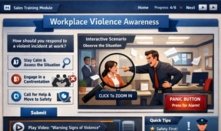
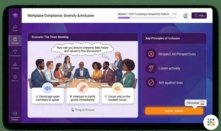
Compliance Training Scenario
- Situation: Employee notices a policy violation
- Choices:
- Report immediately
- Ignore
- Discuss with a colleague
- Outcome:
- Each choice leads to different consequences and feedback
Why It Matters
Scenario-based learning shifts training from:
- “What should you know?” → to → “What should you do?”
This makes it highly effective for:
- Compliance training
- Safety training
- Customer service
- Employee onboarding
For more advanced implementations, organizations often combine this approach with tailored eLearning development strategies.
Why Use Scenario-Based Learning in Corporate Training?
Scenario-based learning improves engagement, retention, and real-world performance by allowing learners to practice decisions in a safe, realistic environment. Instead of passively consuming information, learners actively solve problems—leading to better behavior change and job readiness.
Key Benefits of Scenario-Based Learning
1. Improves Knowledge Retention
- Learners remember decisions better than static content
- Context-based learning strengthens recall
2. Enhances Decision-Making Skills
- Simulates real workplace challenges
- Helps learners think critically under pressure
3. Increases Engagement
- Interactive storytelling keeps learners involved
- Reduces drop-offs compared to traditional courses
4. Supports Compliance and Risk Reduction
- Teaches consequences of wrong decisions
- Helps organizations meet regulatory requirements
5. Enables Measurable Learning via LMS
- Track learner choices using SCORM/xAPI
- Analyze behavior and performance
- Improve training based on data
Scenario-Based Learning vs Traditional eLearning
| Feature | Traditional eLearning | Scenario-Based Learning |
|---|---|---|
| Learning Style | Passive | Interactive |
| Engagement | Low | High |
| Focus | Information | Decision-making |
| Retention | Moderate | High |
| Real-world application | Limited | Strong |
Where It Works Best
Scenario-based learning is highly effective in:
- Compliance training (ethics, anti-harassment)
- Safety training (manufacturing, oil & gas)
- Customer service training (retail, banking)
- Healthcare training (patient interaction)
- Employee onboarding programs
These use cases are commonly implemented through structured and scalable eLearning development approaches.
When You Should Use It
Use scenario-based learning when:
- Learners must make decisions in real situations
- Training involves behavior change
- Mistakes in real life are costly or risky
When It May Not Be Necessary
Avoid scenarios when:
- Content is purely informational
- No decision-making is involved
- Time or budget is extremely limited
Scenario-based learning is not just about interaction—it’s about changing behavior at scale. That’s why global organizations across the USA, UK, UAE, and Australia rely on it for critical training programs.
To ensure effectiveness, many organizations combine this approach with strong instructional design practices.
How Articulate Rise Supports Scenario-Based Learning
Articulate Rise supports scenario-based learning through built-in interactive blocks, structured layouts, and responsive design—allowing you to create realistic, decision-driven training quickly without complex development. It is especially effective for corporate teams that need speed, consistency, and scalability.
Core Features That Enable Scenario-Based Learning
Scenario Block (Primary Feature)
- Conversation-based interactions
- Characters guide learners through situations
- Multiple response options at each step
- Immediate feedback after each choice
Knowledge Check Blocks
- Reinforce decisions after scenarios
- Validate understanding
- Provide additional feedback
Continue Blocks (Flow Control)
- Prevent learners from skipping ahead
- Ensure completion of key sections
- Maintain structured learning paths
Multimedia Support
- Add images, icons, and videos
- Create realistic environments
- Improve learner engagement
How Rise Handles Scenario Flow
Articulate Rise follows a guided decision pathway, not full branching.
| Capability | Articulate Rise | Impact |
|---|---|---|
| Branching depth | Limited | Suitable for simple scenarios |
| Feedback paths | Strong | Reinforces learning instantly |
| Navigation | Linear/semi-linear | Easy to manage |
| Variables | Not available | Limits personalization |
Types of Scenarios You Can Build
1. Conversational Scenarios
- Manager–employee discussions
- Customer interactions
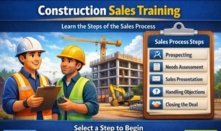
- Sales conversations
2. Decision-Based Scenarios
- Compliance decisions
- Ethical dilemmas
- Workplace conflict resolution
3. Process-Based Scenarios
- Step-by-step workflows
- Operational training
- Task-based learning
Why Organizations Choose Rise for Scenarios
- Fast development timelines
- No coding or advanced setup required
- Consistent design across devices
- Easy updates and maintenance
This makes it ideal for teams using rapid elearning development using Articulate Rise.
Where Rise Fits Best
Articulate Rise works well when:
- Scenario complexity is moderate
- Training needs quick deployment
- Mobile-first delivery is required
- Teams want easy scalability
Where It Falls Short
- No advanced branching logic
- No adaptive learning paths
- Limited simulation capabilities
For more complex needs, many organizations evaluate tools like Articulate Rise and Storyline before deciding.
How to Create Scenario-Based Learning in Articulate Rise
Creating scenario-based learning in Articulate Rise involves defining a real-world situation, structuring decision points, and building interactive flows using the Scenario Block with clear feedback and outcomes. The process is simple, but effectiveness depends on how well the scenario is designed.
Step-by-Step Process
Step 1: Define the Learning Objective
Start with a clear goal.
- What decision should learners practice?
- What behavior should change?
Example:
“Employees should respond correctly to customer complaints.”
Step 2: Choose a Real-World Scenario
Select situations learners actually face:
- Customer complaints
- Safety incidents
- Ethical dilemmas
- Workplace conflicts
Relevance directly impacts engagement.
Step 3: Structure the Scenario Flow
Use a simple structure:
| Stage | Purpose |
|---|---|
| Situation | Introduce the problem |
| Decision | Provide choices |
| Outcome | Show result |
| Feedback | Explain why |
Step 4: Write the Scenario Script
- Keep it conversational
- Use realistic dialogue
- Avoid long paragraphs
Tip: Focus on clarity over complexity.
Step 5: Build Using Scenario Block in Rise
In Articulate Rise:
- Add a Scenario Block
- Select characters and background
- Insert dialogue step-by-step
- Add decision points
Step 6: Add Feedback for Each Choice
- Explain consequences clearly
- Reinforce correct behavior
- Guide learners toward best practices
Step 7: Control Learning Flow
Use Continue Blocks to:
- Ensure learners complete scenarios
- Prevent skipping
- Maintain structure
Step 8: Reinforce with Knowledge Checks
- Add quizzes after scenarios
- Validate learning
- Track performance in LMS
Example
Customer Service Scenario (Retail)
- Situation: Customer is unhappy with a product
- Choices:
- Apologize and offer solution
- Ignore concern
- Escalate immediately
- Outcome: Each affects customer satisfaction
Used widely in retail training eLearning solutions.
Common Mistakes to Avoid
- Unrealistic situations
- Too many decision options
- Weak or generic feedback
- No clear learning objective
Development Timeline
| Complexity | Estimated Time |
|---|---|
| Simple | 4–8 hours |
| Moderate | 1–2 days |
| Advanced | 3–5 days |
When to Get Expert Support
If your scenarios require:
- Strong storytelling
- Industry-specific accuracy
- Large-scale deployment
Then working with custom elearning development services can improve both speed and quality.
Real-World Examples of Scenario-Based Learning in Rise
Scenario-based learning in Articulate Rise is widely used across industries to simulate real workplace decisions and improve employee performance. These scenarios help learners practice responses in realistic situations, making training more effective and job-relevant.
1. Compliance Training (Finance, Corporate, Healthcare)
Purpose: Ensure employees follow policies and regulations
Scenario Example:
- Situation: Employee notices suspicious activity
- Choices:
- Report immediately
- Ignore
- Discuss with colleague
- Outcome:
- Proper reporting prevents compliance issues
- Ignoring leads to violations
This approach is commonly used in compliance training eLearning solutions.
2. Safety Training (Manufacturing, Oil & Gas, Aviation)
Purpose: Prevent accidents and improve safety awareness
Scenario Example:
- Situation: Worker identifies a potential hazard
- Choices:
- Take immediate action
- Delay response
- Ignore
- Outcome:
- Immediate action prevents incidents
- Delay increases risk
Widely used in manufacturing training eLearning solutions.
3. Customer Service Training (Retail, Banking)
Purpose: Improve customer interaction and satisfaction
Scenario Example:
- Situation: Customer complains about a product
- Choices:
- Apologize and resolve
- Argue
- Redirect without help
- Outcome:
- Positive response improves satisfaction
- Poor handling damages brand image
4. Healthcare Training (Patient Interaction)
Purpose: Improve communication and care quality
Scenario Example:
- Situation: Patient refuses treatment
- Choices:
- Educate patient
- Ignore concern
- Force compliance
- Outcome:
- Proper communication builds trust
- Poor handling increases risk
Used in healthcare training eLearning solutions.
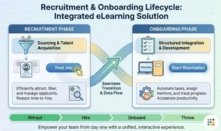
5. Employee Onboarding
Purpose: Help new hires adapt quickly
Scenario Example:
- Situation: New employee faces workplace conflict
- Choices:
- Address professionally
- Escalate immediately
- Ignore
- Outcome:
- Better integration and confidence
Industry-Wise Summary
| Industry | Scenario Focus | Outcome |
|---|---|---|
| Finance | Compliance | Risk reduction |
| Manufacturing | Safety | Accident prevention |
| Retail | Customer service | Better CX |
| Healthcare | Patient care | Improved outcomes |
| Corporate | Onboarding | Faster adaptation |
What Makes These Scenarios Effective
- Realistic situations learners recognize
- Clear decision points
- Immediate feedback
- Direct connection to job roles
Scaling Across Organizations
Companies often scale scenario-based learning by:
- Converting classroom training into scenarios
- Using templates for consistency
- Tracking performance via LMS
For large-scale implementation, simulation-based training approaches can help standardize development.
Scenario Design Framework for Rise Courses
An effective scenario in Articulate Rise follows a structured flow: Trigger → Context → Decision → Consequence → Feedback → Outcome. This framework ensures learners not only interact but also understand the impact of their decisions, leading to better retention and behavior change.
The Scenario Framework Explained
| Stage | Purpose | What to Include |
|---|---|---|
| Trigger | Capture attention | Problem or conflict |
| Context | Set the scene | Background, roles |
| Decision | Engage learner | 2–4 realistic choices |
| Consequence | Show impact | Result of decision |
| Feedback | Reinforce learning | Explanation |
| Outcome | Conclude | Key takeaway |
How to Apply This Framework
1. Trigger: Start with a Real Situation
- Use a relatable workplace problem
- Create urgency or conflict
Example:
“A customer is upset about a delayed order.”
2. Context: Provide Just Enough Background
- Who is involved?
- What is the situation?
- What is at stake?
Keep it short and clear.
3. Decision: Offer Meaningful Choices
- Provide 2–4 options
- Ensure all options are realistic
- Avoid obvious correct answers
4. Consequence: Show Immediate Impact
- Each choice should lead to a clear result
- Include positive and negative outcomes
5. Feedback: Explain the Reasoning
- Why is a choice correct or incorrect?
- What should the learner do differently?
6. Outcome: Reinforce the Learning
- Summarize the best decision
- Connect back to the learning objective
Example in Practice
Industry: Financial Services (Compliance Training)
| Stage | Example |
|---|---|
| Trigger | Suspicious transaction detected |
| Context | Employee reviewing account activity |
| Decision | Report / Ignore / Investigate |
| Consequence | Compliance success or violation |
| Feedback | AML policy explanation |
| Outcome | Correct reporting reinforced |
This structured approach is widely used in financial services training eLearning solutions.
Why This Framework Works
- Keeps scenarios structured and clear
- Improves learner engagement
- Ensures consistency across courses
- Aligns with instructional design models like ADDIE
Organizations often standardize this using instructional design services.
Common Mistakes to Avoid
- Weak or unclear triggers
- Too many decision options
- No visible consequences
- Generic feedback
- Missing clear outcomes
Tips for Better Scenario Design
- Keep scenarios focused on one objective
- Use realistic language and tone
- Add emotional context where relevant
- Keep content concise for mobile users
Limitations of Scenario-Based Learning in Articulate Rise
Articulate Rise is excellent for fast, scalable scenario-based learning, but it has limitations in branching, personalization, and advanced simulations. Understanding these constraints helps you choose the right tool and avoid overdesigning scenarios that Rise cannot support.
Key Limitations
1. Limited Branching Logic
- Rise does not support deep, multi-path branching
- Most scenarios follow a guided flow
Impact:
Not suitable for complex decision trees.
2. No Variable-Based Personalization
- No support for variables or conditions
- Cannot adapt content dynamically
Impact:
Limits personalized or adaptive learning paths.
3. Linear or Semi-Linear Navigation
- Learners move through predefined paths
- Limited flexibility in navigation control
Impact:
Less control compared to advanced tools.
4. Moderate Interactivity
- Block-based interactions only
- No drag-and-drop or advanced triggers
Impact:
May feel less immersive for complex training.
5. Limited Simulation Capability
- Cannot replicate software or system simulations
- Not suitable for highly technical training
Impact:
Best for behavioral and decision-based training, not technical simulations.
Comparison with Advanced Tools
| Feature | Articulate Rise | Advanced Tools (e.g., Storyline) |
|---|---|---|
| Branching | Limited | Advanced |
| Variables | Not available | Supported |
| Interactivity | Moderate | High |
| Simulation | Limited | Advanced |
For a deeper understanding, explore Articulate Rise vs Storyline.
When These Limitations Matter
These constraints become critical when:
- Training requires complex decision paths
- High-risk environments demand precision
- Personalized learning is needed
- Simulations must mimic real systems
When Rise Still Works Well
Despite limitations, Rise is highly effective when:
- Scenarios are moderately complex
- Focus is on behavior and decision-making
- Speed and scalability are priorities
- Mobile delivery is required
Practical Workarounds
You can still improve outcomes in Rise by:
- Breaking complex scenarios into smaller modules
- Using microlearning formats
- Reinforcing learning with quizzes
- Structuring content carefully
This aligns with rapid elearning development services.
When to Consider Alternatives
You may need advanced tools when:
- Scenarios require multiple branching paths
- Training involves high-risk simulations
- Adaptive learning is required
In such cases, organizations often combine tools or use elearning simulation-based training services.
Articulate Rise vs Storyline for Scenario-Based Learning
Articulate Rise is ideal for fast, scalable, and moderately interactive scenarios, while Articulate Storyline is better suited for complex, highly interactive, and branching-based learning experiences. Choosing the right tool depends on scenario complexity, timeline, and training goals.
Side-by-Side Comparison
| Feature | Articulate Rise | Articulate Storyline |
|---|---|---|
| Scenario complexity | Moderate | High |
| Branching logic | Limited | Advanced |
| Variables & conditions | Not available | Fully supported |
| Development speed | Fast | Moderate |
| Mobile responsiveness | Built-in | Requires setup |
| Customization | Limited | Extensive |
| Interactivity | Moderate | High |
When to Use Articulate Rise
Use Rise when:
- You need quick deployment
- Scenarios are simple to moderately complex
- Training must be mobile-friendly
- Content requires frequent updates
Common use cases:
- Compliance training
- Customer service scenarios
- Onboarding programs
Organizations often implement this through Articulate Rise course development services.
When to Use Articulate Storyline
Use Storyline when:
- Scenarios require complex branching paths
- Training involves high-risk decision-making
- You need custom interactions or simulations
- Personalized learning paths are required
Typical use cases:
- Safety simulations
- Software training
- Advanced compliance training
For such projects, companies rely on Articulate Storyline development services.
Decision Guide
| Training Requirement | Recommended Tool |
|---|---|
| Basic compliance scenarios | Rise |
| Customer interaction training | Rise |
| Complex safety simulations | Storyline |
| Software/system training | Storyline |
| Rapid deployment | Rise |
| Personalized learning paths | Storyline |
Blended Approach (Most Effective Strategy)
Many organizations combine both tools:
- Rise for course structure and delivery
- Storyline for complex interactions
This approach balances:
- Speed
- Cost
- Learning effectiveness
You can explore this strategy in modernizing corporate training using Storyline and Rise.
Cost vs Value Perspective
| Factor | Rise | Storyline |
|---|---|---|
| Development cost | Lower | Higher |
| Time to deploy | Faster | Slower |
| Maintenance | Easy | Moderate |
| Learning depth | Moderate | High |
How to Choose the Right Tool
Ask these questions:
- How complex are the scenarios?
- Do you need branching or personalization?
- What is your timeline?
- What is your budget?
- Is mobile learning critical?
Practical Recommendation
- Use Rise for most corporate training needs
- Use Storyline for high-impact, complex scenarios
If you’re unsure, consulting experts or outsourcing can help. Consider outsourcing eLearning development for better decision-making.
Best Practices for Designing Effective Scenarios in Rise
Effective scenario-based learning in Articulate Rise depends on realistic situations, meaningful choices, and clear feedback that drives behavior change. Simply adding interactions is not enough—the design must guide learners toward better decisions.
1. Define Clear Learning Objectives
- Focus on one outcome per scenario
- Target behavior, not just knowledge
- Align with business goals
Example:
Instead of “Understand safety rules,” use
“Respond correctly to workplace hazards.”
2. Use Realistic and Relevant Situations
- Base scenarios on real workplace challenges
- Reflect actual job roles
- Include believable consequences
Realism directly impacts engagement and retention.
3. Design Meaningful Decision Points
- Provide 2–4 balanced choices
- Avoid obvious “correct” answers
- Include common mistakes as options
This encourages critical thinking.
4. Focus on Strong Feedback
- Explain why a choice is right or wrong
- Connect decisions to real-world impact
- Avoid generic responses
Feedback is the most important learning element.
5. Keep Scenarios Short and Focused
- One objective per scenario
- Avoid long, complex flows
- Use micro-scenarios where possible
This approach works well with microlearning development services.
6. Optimize for Mobile Learning
Since Rise is mobile-first:
- Use short text blocks
- Keep screens uncluttered
- Ensure easy navigation
7. Maintain Simplicity in Design
- Avoid overcomplicating interactions
- Keep flow intuitive
- Use consistent layouts
8. Reinforce Learning with Assessments
- Add quizzes after scenarios
- Validate understanding
- Track performance via LMS (SCORM/xAPI)
9. Test and Improve
- Pilot scenarios with users
- Identify confusing decisions
- Refine feedback and flow
Common Mistakes to Avoid
| Mistake | Impact |
|---|---|
| Unrealistic scenarios | Low engagement |
| Too many choices | Cognitive overload |
| Weak feedback | Poor learning outcomes |
| Overuse of text | Reduced retention |
| No clear objective | Ineffective training |
Tips for Better Results
- Use storytelling techniques (conflict, resolution)
- Introduce emotional context where relevant
- Keep language simple and conversational
- Align scenarios with real KPIs
Scaling Across Teams
Organizations often standardize:
- Scenario templates
- Feedback formats
- Design guidelines
For consistent quality, many teams use custom elearning development services.
Cost of Scenario-Based Learning in Articulate Rise
Scenario-based learning using Articulate Rise is cost-effective due to faster development, reusable templates, and minimal technical complexity. However, the final cost depends on scenario depth, design quality, and scale.
Key Cost Factors
- Number of scenarios
- Complexity of decision points
- Level of instructional design
- Multimedia usage (images, videos)
- Localization or multi-language needs
Estimated Cost Range
| Project Type | Estimated Cost |
|---|---|
| Basic scenarios | $1,000 – $3,000 |
| Moderate scenarios | $3,000 – $8,000 |
| Advanced scenarios | $8,000+ |
ROI Benefits
- Faster development and deployment
- Reduced training time
- Improved learner retention
- Lower compliance and operational risks
For detailed budgeting, refer to custom elearning development cost vs ready-made courses.
When to Outsource Scenario-Based eLearning Development
Outsourcing is the right choice when you need speed, expertise, scalability, or high-quality instructional design.
When Outsourcing Makes Sense
- Large-scale training programs
- Tight deadlines
- Industry-specific compliance requirements
- Lack of internal instructional design expertise
Benefits of Outsourcing
| Benefit | Impact |
|---|---|
| Faster delivery | Meet deadlines easily |
| Expert design | Better learning outcomes |
| Scalability | Handle large projects |
| Consistency | Standardized quality |
Choosing the Right Partner
Before selecting a vendor, evaluate:
- Experience in scenario-based learning
- Industry expertise
- Portfolio and case studies
- Tool expertise (Rise, Storyline)
Use this guide on how to choose the eLearning vendor for better decisions.
For expert support, you can connect with IKHYA – eLearning Solutions Company or contact the team.
Conclusion
Scenario-based learning in Articulate Rise provides a powerful, scalable, and practical approach to corporate training. It enables organizations to move beyond passive content and focus on real-world decision-making and behavior change.
While it may not support advanced branching or complex simulations, it excels in:
- Speed of development
- Ease of updates
- Mobile-first delivery
- Consistent learner experience
For most corporate training needs, it offers the right balance between efficiency and effectiveness.
If you’re planning to implement scenario-based learning, you can explore Articulate Rise development services or request an RFP to get started.
FAQs
1. What is scenario-based learning in Articulate Rise?
It is a training method where learners engage in real-world situations and make decisions using interactive blocks like scenario interactions.
2. Can Articulate Rise create branching scenarios?
Rise supports guided scenarios but does not offer advanced branching like Storyline.
3. How long does it take to develop a scenario-based course?
Typically 2–6 weeks depending on complexity and number of modules.
4. What is the cost of scenario-based eLearning?
Costs range from $1,000 to $20,000+ based on scope and complexity.
5. Is Articulate Rise suitable for compliance training?
Yes, it is widely used for compliance, safety, and soft skills training.
6. When should I use Storyline instead of Rise?
Use Storyline for complex branching, simulations, and advanced interactivity.
7. Can scenario-based learning improve performance?
Yes, it improves decision-making, retention, and real-world application.
8. What industries use scenario-based learning?
Healthcare, manufacturing, finance, retail, IT, and more.
9. Can I convert PowerPoint training into scenario-based learning?
Yes, existing content can be transformed using structured design approaches.
10. Is scenario-based learning mobile-friendly in Rise?
Yes, Rise is fully responsive and works well on mobile devices.
11. How many choices should a scenario include?
Typically 2–4 choices for clarity and effectiveness.
12. What makes a good scenario?
Realistic situations, meaningful decisions, and clear feedback.
13. Can scenario-based learning be used for onboarding?
Yes, it is highly effective for onboarding and role-based training.
14. Do I need an LMS to deploy Rise courses?
Yes, most organizations use LMS platforms with SCORM or xAPI support.
15. Can I track learner decisions?
Yes, using LMS analytics and xAPI tracking.
16. Is outsourcing better than in-house development?
It depends on expertise, timelines, and project scale.
17. What is microlearning in scenario-based training?
Short, focused modules with quick decision-making scenarios.
18. Can scenarios be localized for global teams?
Yes, through translation and localization services.
19. What is the biggest limitation of Articulate Rise?
Limited support for complex branching and advanced logic.
20. How do I get started with scenario-based learning?
Start with a pilot module, define objectives, and choose the right tool or vendor.
Related Resources
To explore scenario-based learning, Articulate Rise capabilities, and broader eLearning strategies in more depth, the following resources can help you plan, design, and scale your training programs effectively: