


eLearning Solutions Providers In UAE
eLearning Solutions Providers In UAE are helping organisations train employees faster, manage compliance requirements, and improve workforce performance across multiple locations. Businesses in the UAE now need learning systems that support remote access, multilingual content, and industry-specific training requirements. Many companies struggle when they choose providers without local market knowledge, sector experience, or strong delivery processes.
A poor provider choice can delay training rollout, reduce learner engagement, and increase operational costs across departments.
IKHYA helps UAE organisations plan and deliver practical learning solutions. Contact the team directly at info@ikhya.com.
Why UAE Businesses Are Rethinking How They Approach eLearning Solutions Providers In UAE
eLearning Solutions Providers In UAE now play an important role in workforce training, compliance management, onboarding, and employee development. Organisations across the UAE need training systems that work across offices, remote teams, and multilingual workforces. Companies also expect faster deployment, measurable learning outcomes, and better reporting from their training investments.
Many organisations in the UAE now operate across healthcare, banking, retail, aviation, logistics, government, and energy sectors. Each industry has different compliance rules and operational challenges. This has increased demand for providers that can build custom learning experiences instead of generic training libraries.
Businesses also expect learning platforms to support Arabic and English content without reducing learner experience quality. Training managers need reporting tools that track learner completion, certification progress, and employee skill gaps. These requirements have changed how organisations evaluate eLearning partners in the UAE market.
Companies that choose the wrong provider often face delays, low learner participation, weak reporting, and poor content quality. A strong provider creates structured learning journeys that align with operational goals, compliance standards, and employee performance targets.
The UAE eLearning Solutions Providers Worth Evaluating
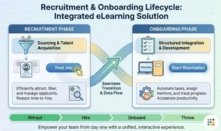
- IKHYA – eLearning Solutions Company provides custom eLearning development, LMS implementation, multilingual training, compliance learning, and corporate learning strategy support. The company works closely with organisations that require scalable learning systems and structured project delivery across UAE industries.
- TalentLMS offers cloud-based learning management tools for businesses that need quick deployment and simple learner management. The platform supports employee onboarding, compliance training, and remote workforce education across different industries.
- Biz Group delivers leadership training, digital learning programmes, and corporate capability development across the Middle East region. The company supports organisations that want blended learning experiences with both instructor-led and digital formats.
- Capytech focuses on digital transformation services that include learning platform integration and online training development. The company works with organisations looking to modernise internal training delivery and workforce engagement.
- Docebo provides enterprise learning management software with automation, analytics, and integration features. Large organisations often use the platform for employee development, compliance management, and extended enterprise learning.
- Edufic Digital develops custom eLearning content and training platforms for businesses across corporate and academic sectors. The company supports organisations that need interactive learning content with localisation support.
- Stylus Solutions creates digital learning content, simulations, and instructional design solutions for corporate learning teams. The company focuses on learner engagement and structured content development.
- Knowledge Horizon supports organisations with online learning solutions, workforce training, and digital capability development. The company works with businesses that require flexible training systems for distributed teams.
- iLearn Me provides digital learning services with a focus on learner accessibility and workforce education programmes. The company supports employee training projects across different sectors in the UAE.
- Protraining delivers professional development programmes, compliance education, and corporate learning services. The company works with businesses that need structured training delivery and certification management.
What Is Driving Demand for eLearning Across UAE Sectors
The Compliance Training Pressure That UAE Organisations Can No Longer Ignore
Compliance requirements continue to increase across UAE industries including healthcare, finance, aviation, energy, and logistics. Organisations must prove that employees completed mandatory training and understood operational procedures. This requirement has increased investment in digital learning systems that track learner progress and certification status.
Traditional classroom training creates operational disruption and reporting challenges for large organisations. Digital learning platforms reduce these problems by automating enrolment, reminders, assessments, and certification records. Companies now prefer providers that can combine compliance tracking with engaging learning experiences.
Why Multinational Workforces in UAE Require a Different Approach to eLearning
The UAE workforce includes employees from many cultural and language backgrounds. Organisations need learning content that works for both Arabic-speaking and English-speaking employees without reducing training quality. This requirement has increased demand for multilingual learning development and localisation support.
Simple translation is no longer enough for employee learning programmes. Organisations now expect providers to redesign content for different learner groups, literacy levels, and operational contexts. Providers that understand cultural adaptation often deliver better learner engagement and higher course completion rates.
How Remote and Hybrid Work Is Reshaping Learning Priorities in UAE
Many UAE organisations now manage hybrid teams across offices, remote sites, and international operations. Employees require continuous access to training regardless of location or device. This has increased demand for cloud-based learning systems and mobile-friendly learning content.
Training teams also need analytics that measure employee participation and performance across distributed workforces. Organisations increasingly choose eLearning Solutions Providers In UAE that offer reporting dashboards, learner tracking, and scalable platform management.
What a Full-Service eLearning Company in UAE Should Actually Deliver
Custom Learning Content Development
Custom learning content helps organisations align training with operational processes, compliance requirements, and employee responsibilities. Generic training often fails because it does not reflect company workflows or industry-specific challenges. Strong providers design content around real business environments and learner expectations.
Effective content development includes instructional design, multimedia production, assessment creation, and learner testing. Organisations in the UAE also expect multilingual support and mobile accessibility. Providers that manage these elements together usually deliver better learner outcomes and stronger adoption rates.
Learning Platform Setup and Integration
Modern learning systems must connect with HR systems, performance management tools, and internal communication platforms. Organisations need smooth user management, reporting integration, and secure learner access. A provider should support platform configuration, migration, testing, and ongoing technical support.
Many UAE organisations also require role-based access, certification tracking, and automated learning paths. Providers that understand enterprise integration reduce technical delays and operational disruption during implementation.
Performance Reporting and Learning Analytics
Learning analytics help organisations measure training effectiveness and employee participation. Training managers need reports that show completion rates, assessment scores, certification status, and learner engagement trends. Clear reporting improves decision-making and supports compliance audits.
Strong eLearning providers create dashboards that simplify reporting for HR, compliance teams, and department managers. Organisations benefit when learning data connects directly to workforce performance goals and operational KPIs.
How the Right eLearning Partner Changes Outcomes for UAE Organisations
- Faster employee onboarding allows new staff to complete role-specific training before entering operational environments. This reduces onboarding delays and helps organisations maintain service quality during recruitment growth periods.
- Improved compliance tracking gives managers clear visibility into certification status, assessment results, and mandatory training completion. Organisations in regulated sectors reduce audit preparation time and lower compliance risks.
- Consistent training delivery ensures employees receive the same learning experience across offices, branches, and remote teams. This improves operational consistency and reduces knowledge gaps between departments.
- Lower training administration costs reduce manual scheduling, paperwork, and classroom coordination. Automated learning systems help HR and training teams manage larger learner groups efficiently.
- Better learner engagement improves knowledge retention through interactive content, microlearning, and mobile access. Employees complete training more consistently when learning experiences are practical and accessible.
- Scalable workforce development helps organisations expand training programmes without increasing operational complexity. Businesses can support new hires, regional expansion, and leadership development through centralised learning systems.
eLearning Solutions Providers In UAE — Detailed Provider Breakdown
IKHYA – eLearning Solutions Company
IKHYA is an eLearning Solutions Company that supports organisations across the UAE with custom digital learning services, learning strategy support, and enterprise training delivery. Our team works with businesses that require structured learning systems for workforce development, onboarding, compliance, and operational training.
We offer custom eLearning development, LMS implementation, instructional design, multilingual learning, mobile learning, and blended training solutions. IKHYA provides project planning support, learner analysis, content localisation, and post-launch optimisation services for organisations with complex training needs.
Our team has experience supporting industries including healthcare, finance, retail, logistics, aviation, energy, and government-linked organisations in the UAE. We understand the importance of compliance reporting, multilingual learner engagement, and operational alignment within regulated sectors.
IKHYA provides support for cloud LMS platforms, SCORM-compliant learning content, analytics dashboards, virtual learning environments, and learning system integrations. We help organisations connect training systems with HR and workforce management tools to improve administration efficiency.
We work closely with client teams throughout planning, development, testing, rollout, and optimisation stages. Our engagement approach focuses on clear communication, milestone tracking, learner feedback, and collaborative delivery processes that reduce implementation delays.
Organisations looking for structured eLearning support in the UAE can contact our team directly at info@ikhya.com to discuss project requirements and delivery options.
TalentLMS
TalentLMS provides cloud-based learning management tools designed for corporate training and employee development. The platform supports onboarding, compliance management, and remote learning delivery for organisations across different sectors. Businesses often choose the platform because of its user-friendly administration tools and flexible deployment model.
Biz Group
Biz Group delivers corporate training, leadership development, and workforce capability programmes across the Middle East. The company combines instructor-led learning with digital delivery formats to support organisational development initiatives. Businesses use the company for leadership training, employee engagement, and capability improvement programmes.
Capytech
Capytech supports organisations with digital learning implementation, platform integration, and workforce training technology services. The company focuses on helping businesses modernise learning delivery and improve digital workforce engagement. Organisations often use its services during digital transformation initiatives.
Docebo
Docebo offers enterprise learning management software with automation, analytics, and AI-supported learning administration features. The platform supports employee training, partner learning, and customer education programmes. Large organisations often use the platform for centralised learning management across multiple regions.
Edufic Digital
Edufic Digital develops custom learning content, digital education systems, and interactive learning experiences. The company works with organisations that require multilingual learning support and tailored instructional design services. Businesses use its services for workforce education and digital learning projects.
Stylus Solutions
Stylus Solutions creates instructional content, simulations, and digital learning materials for corporate learning teams. The company focuses on learner engagement, structured instructional design, and customised training experiences. Organisations often use its services for employee development and onboarding programmes.
Knowledge Horizon
Knowledge Horizon provides digital learning services, online training systems, and workforce development support for businesses across the region. The company helps organisations manage distributed learning environments and employee education initiatives. Businesses use the company for scalable workforce learning projects.
iLearn Me
iLearn Me delivers digital learning services focused on employee accessibility and online workforce training. The company supports organisations that require flexible learning delivery models and structured learner experiences. Businesses often use the company for employee development and onboarding support.
Protraining
Protraining offers professional education, compliance learning, and workforce certification programmes. The company works with organisations that need structured employee training and reporting support. Businesses use its services for professional development and mandatory training management.
How UAE eLearning Companies Compare Across Key Criteria
| Company | Main Focus | Custom Development | LMS Support | Multilingual Capability | Best Fit |
|---|---|---|---|---|---|
| IKHYA | Enterprise eLearning solutions | Yes | Yes | Arabic and English | Mid-size and large organisations |
| TalentLMS | Cloud LMS | Limited | Yes | Yes | SMEs and remote teams |
| Biz Group | Corporate training | Moderate | Partial | Yes | Leadership development |
| Capytech | Digital transformation | Yes | Yes | Moderate | Technology-focused businesses |
| Docebo | Enterprise LMS | Limited | Yes | Yes | Large enterprises |
| Edufic Digital | Custom content | Yes | Partial | Yes | Corporate learning teams |
| Stylus Solutions | Instructional design | Yes | Partial | Moderate | Employee training projects |
| Knowledge Horizon | Workforce learning | Moderate | Yes | Yes | Distributed workforces |
| iLearn Me | Digital workforce education | Moderate | Partial | Moderate | Employee onboarding |
| Protraining | Compliance education | Limited | Partial | Moderate | Certification programmes |
Understanding eLearning Budgets in UAE — Ranges, Factors, and Expectations
Pricing for eLearning projects in the UAE depends on project complexity, learner volume, localisation needs, platform integration, and compliance requirements. Organisations should evaluate both development costs and long-term support requirements before selecting a provider.
| Project Type | Typical Scope | Estimated Range | Main Cost Drivers |
|---|---|---|---|
| Basic onboarding course | Single module with assessments | $2,000 - $5,000 | Content length and multimedia use |
| Compliance training suite | Multiple courses with reporting | $8,000 - $20,000 | Regulatory requirements and tracking |
| Custom LMS implementation | Enterprise platform setup | $10,000 - $40,000 | Integration and configuration |
| Multilingual learning project | Arabic and English localisation | $6,000 - $18,000 | Translation and localisation effort |
| Microlearning programme | Short mobile learning modules | $4,000 - $12,000 | Content volume and design |
Organisations that require tailored pricing guidance and project planning support can contact IKHYA directly at info@ikhya.com.
The Platforms and Tools UAE eLearning Companies Use to Deliver Results
| Tool or Platform | Primary Use | Best Fit | Adoption Level |
|---|---|---|---|
| Moodle | Open-source LMS management | Education and corporate learning | High |
| TalentLMS | Cloud learning delivery | SMEs and remote teams | High |
| Docebo | Enterprise learning management | Large organisations | High |
| Articulate 360 | Interactive course development | Custom eLearning content | High |
| Adobe Captivate | Simulation-based training | Technical learning | Moderate |
| Microsoft Teams | Virtual instructor-led training | Remote workforce learning | High |
The eLearning Delivery Process Explained — Phase by Phase
| Phase | Key Activities | Client Involvement | Typical Duration |
|---|---|---|---|
| Discovery | Requirements gathering and learner analysis | High | 1-2 weeks |
| Planning | Project roadmap and scope definition | High | 1 week |
| Content Design | Storyboards and instructional planning | Moderate | 2-4 weeks |
| Development | Course production and LMS setup | Moderate | 3-6 weeks |
| Review | Stakeholder feedback and revisions | High | 1-2 weeks |
| Testing | Technical and learner testing | Moderate | 1 week |
| Deployment | Launch and learner enrolment | Moderate | 1 week |
| Support | Reporting and optimisation | Low | Ongoing |
How Different UAE Industries Are Using eLearning to Solve Real Problems
| Industry | Common Training Topics | Main Challenge | Delivery Format |
|---|---|---|---|
| Healthcare | Compliance and patient safety | Certification tracking | Mobile and LMS learning |
| Finance | Risk and compliance training | Regulatory reporting | Interactive modules |
| Aviation | Operational safety training | Distributed workforce | Simulation learning |
| Retail | Customer service onboarding | High staff turnover | Microlearning |
| Logistics | Safety and process training | Shift-based learning | Mobile learning |
| Government | Policy and compliance education | Large learner groups | Blended learning |
What Is Coming Next for eLearning in UAE — Trends Worth Tracking
AI-Powered Learning Recommendations and Its Impact on eLearning in UAE
AI-supported learning systems are helping organisations personalise employee training experiences. Platforms can now recommend learning paths based on job role, performance data, and previous training activity. This improves learner engagement and reduces unnecessary training time.
Many UAE organisations are exploring AI-supported reporting and learner analytics to improve workforce planning. Providers that support data-driven learning strategies are becoming more attractive to enterprise buyers.
How Mobile-First Learning Is Changing the Way UAE Organisations Approach Workforce Training
Mobile learning continues to grow because employees increasingly access training outside traditional office environments. Organisations need learning systems that work across smartphones, tablets, and remote work environments. This is especially important for field workers and operational teams.
Providers now design training content with shorter learning sessions, responsive layouts, and offline access support. These features improve learner completion rates and training accessibility across distributed workforces.
The Rise of Microlearning Among UAE Retail and Logistics Organisations
Microlearning uses short training sessions focused on one specific skill or process. Retail and logistics businesses increasingly use this approach because employees often have limited time for long learning sessions. Short modules also improve knowledge retention.
Organisations benefit when employees can complete training quickly during operational shifts. Providers that specialise in microlearning design are seeing stronger demand across high-turnover industries.
Why Multilingual Learning Is Becoming a Standard Expectation in UAE eLearning
Multilingual learning is no longer optional for many UAE organisations. Businesses need training experiences that support diverse workforces while maintaining consistent learning quality. Arabic and English delivery has become a standard requirement across many sectors.
Providers that support localisation, cultural adaptation, and multilingual learner interfaces often deliver stronger engagement results. Organisations now evaluate providers partly on their localisation capability.
What to Look for When Selecting a eLearning Partner in UAE
Choosing the right eLearning provider requires more than comparing pricing or platform features. Organisations should evaluate operational fit, delivery capability, industry experience, and communication processes before signing a contract.
- Industry experience helps providers understand operational workflows, compliance expectations, and learner challenges within your sector. This reduces project delays and improves content relevance.
- Multilingual capability ensures employees receive training in languages that support comprehension and engagement. UAE organisations often require Arabic and English learning support.
- Project management structure improves communication, milestone tracking, and delivery consistency during implementation. Clear governance reduces confusion between stakeholders and vendors.
- Platform integration knowledge helps connect learning systems with HR and operational software. This improves reporting accuracy and learner administration efficiency.
- Instructional design quality affects learner engagement, retention, and training effectiveness. Strong providers focus on practical learning experiences instead of information-heavy content.
- Reporting and analytics provide visibility into learner performance, compliance status, and training completion. Organisations need accurate data for workforce planning and audits.
- Post-launch support ensures learning systems continue working effectively after deployment. Ongoing optimisation helps organisations improve long-term learner engagement.
- Scalable delivery capability supports future business growth and workforce expansion. Providers should manage increasing learner volumes without reducing system performance.
Organisations that evaluate providers carefully often achieve better learning outcomes, smoother implementation processes, and stronger long-term value from their training investments.
Why UAE Organisations Partner With IKHYA for eLearning Solutions Providers In UAE
IKHYA works with organisations that require structured digital learning systems aligned with operational and workforce goals. Our team focuses on practical learning delivery, measurable learner engagement, and scalable training systems.
We help organisations manage onboarding, compliance training, leadership development, and workforce education through custom learning experiences. IKHYA provides support from strategy planning through implementation, reporting, and optimisation stages.
Our team understands the operational and cultural requirements of organisations operating across the UAE. We design multilingual learning experiences that support workforce accessibility and stronger learner participation.
IKHYA also supports platform integration, analytics reporting, and long-term learning programme management. We work closely with internal stakeholders to reduce implementation complexity and improve communication throughout delivery stages.
Organisations looking for practical guidance on eLearning Solutions Providers In UAE can contact IKHYA directly at info@ikhya.com for project discussions and consultation support.
Take the Next Step With a eLearning Partner That Understands UAE
Choosing the right eLearning partner affects employee performance, compliance management, operational consistency, and workforce development outcomes. Organisations should evaluate providers carefully based on industry experience, delivery capability, and long-term support models.
Businesses in the UAE increasingly require scalable learning systems that support multilingual workforces, hybrid operations, and changing compliance expectations. A structured implementation approach helps organisations reduce risk and improve learner engagement.
Teams that want practical support for eLearning planning, LMS implementation, or workforce training projects can contact IKHYA directly at info@ikhya.com for guidance and project consultation.
FAQs
Related Top eLearning Companies & Solutions in the UAE
UAE organizations are adopting digital learning to support hybrid workforces, compliance training, multilingual learning, and workforce development. Businesses increasingly rely on eLearning solutions to improve onboarding, employee engagement, and operational consistency.
Explore leading eLearning providers, LMS platforms, instructional design specialists, and compliance training solutions across the UAE.
At IKHYA – eLearning Solutions Company, we design impactful, compliance-driven, and performance-focused digital learning solutions tailored to your business goals.
🎯 Custom eLearning Course Development
⚡ Rapid eLearning & PPT Conversion
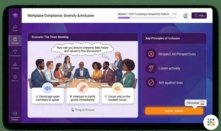
📊 Workplace Compliance Training
🌍 Localization & LMS-Ready Modules