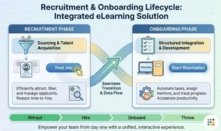




Online Course Provider In France
The search for a reliable online course provider in France has become more important as organisations move training, onboarding, and compliance programmes into digital formats. French businesses now expect learning systems that support remote teams, multilingual workforces, and strict industry requirements. Companies that choose the wrong partner often face poor learner engagement, delayed delivery, and training content that fails to match operational goals.
A weak training system slows employee development and creates gaps in compliance, onboarding, and performance management across departments.
IKHYA helps organisations build structured digital learning programmes. Contact the team directly at info@ikhya.com for project discussions.
Why French Businesses Are Changing How They Manage Online Learning
The demand for a trusted online course provider in France continues to grow across healthcare, finance, manufacturing, retail, and technology sectors. Organisations now need flexible learning systems that support hybrid teams, multilingual employees, and changing compliance standards. Traditional classroom training no longer supports the speed and scale required by modern businesses operating across multiple regions.
French organisations also face pressure to improve employee retention and productivity through continuous learning. Staff members expect training that works across mobile devices, desktops, and remote environments without technical barriers. Businesses that invest in structured digital learning often improve onboarding speed, reduce training costs, and create more consistent employee performance.
Another major shift involves localisation and language adaptation. Many companies operating in France train employees across French-speaking and international markets at the same time. This requires training providers that understand cultural adaptation, translation workflows, and region-specific compliance standards instead of simple content conversion.
Decision-makers now look beyond course delivery alone. They want analytics, measurable learning outcomes, learner engagement tracking, and integration with HR systems. The role of an online course provider in France has expanded from content creation into long-term workforce development support.
Online Course Providers Operating Across France
- IKHYA – eLearning Solutions Company delivers custom online learning solutions for organisations that need structured employee training, onboarding, compliance learning, and multilingual course delivery. The company works closely with clients to align learning content with operational goals, learner behaviour, and reporting requirements across different industries.
- CrossKnowledge focuses on digital corporate learning programmes for leadership development, management training, and workforce capability building. The company supports blended learning models that combine virtual sessions, self-paced learning, and coaching frameworks.
- Lynxonline develops online training materials with a strong focus on instructional design and learner engagement. The company supports organisations looking for customised learning modules that work across desktop and mobile learning environments.
- Demos eLearning Agency provides digital learning services for businesses seeking scalable online education programmes. The company supports onboarding, compliance training, and professional development projects through interactive content delivery.
- Takoma works with organisations that require structured learning systems for technical training and workforce development. The company combines content design, LMS integration, and performance-based learning frameworks.
- Speedernet supports digital learning projects with course development, training platforms, and interactive educational tools. The company often works with organisations needing practical workforce training delivered remotely.
- E-learning Touch creates online training modules with multimedia learning formats and employee-focused learning experiences. The company supports businesses that want visually engaging learning content with strong usability.
- Cegos delivers corporate learning services with a focus on professional skills development, leadership learning, and business training. The company supports organisations seeking broad workforce training coverage across departments.
- Baber Learning develops digital learning programmes for organisations needing flexible employee education systems. The company provides customised online learning experiences for workforce development initiatives.
- Nell & associés supports organisations through learning consulting, training strategy, and online content development. The company works with businesses that require structured educational planning and employee learning support.
How the French Online Learning Market Continues to Change
The Compliance Pressure French Organisations Must Address Through Digital Training
French businesses now operate in heavily regulated environments where compliance training requires consistent documentation and measurable employee participation. Industries such as healthcare, banking, manufacturing, and logistics must track learner progress carefully. A reliable online course provider in France helps organisations centralise records and maintain audit-ready reporting systems.
Many organisations previously managed compliance training through spreadsheets and classroom attendance logs. This process created gaps in reporting accuracy and increased administrative work for HR teams. Digital learning systems now simplify tracking, automate reminders, and provide clearer reporting for management teams responsible for workforce compliance.
Why Multilingual Workforces in France Need More Flexible Learning Models
Large employers in France often manage teams across multiple regions and international offices. Employees may speak French, English, or other European languages within the same organisation. Training providers must design learning systems that support localisation, translation, and culturally relevant learning experiences.
Simple text translation rarely creates effective training. Learners engage more when examples, visuals, assessments, and scenarios reflect their working environment. Organisations now expect online course providers to adapt content fully instead of only converting language files from one format to another.
How Remote Work Is Reshaping Corporate Learning Priorities in France
Remote and hybrid work models changed how organisations deliver employee development programmes. Businesses now need learning systems that support flexible access across locations and devices. Employees expect training to fit around daily workloads instead of fixed classroom schedules.
Asynchronous learning has become more important because employees often work across different shifts and time zones. Online learning providers now build shorter modules, mobile-friendly lessons, and interactive learning paths that support self-paced development without reducing training quality.
What Strong Online Learning Partners in France Should Deliver
Custom Course Development Built Around Business Objectives
Effective online learning starts with clear operational goals. Organisations need training that improves employee performance instead of simply delivering information. A capable online course provider in France works with stakeholders to define learning outcomes, learner profiles, and measurable business targets before production begins.
Custom course development often includes instructional design, scenario writing, interactive assessments, and multimedia production. The strongest providers also adapt content to internal processes, compliance frameworks, and company terminology. This creates training programmes that employees can apply directly in their daily work.
Learning Platform Integration and Reporting Support
Modern organisations rarely use standalone learning systems. Training platforms must connect with HR software, compliance systems, communication tools, and reporting dashboards. Providers that support LMS integration help businesses reduce manual administration and simplify workforce reporting.
Analytics also play a major role in learning management. Employers want to understand learner completion rates, assessment performance, and engagement patterns. Strong reporting systems help HR and leadership teams improve training strategies based on measurable employee behaviour.
Localisation and Multilingual Learning Delivery
French organisations increasingly require multilingual learning systems that support regional teams and international operations. This creates demand for online course providers that understand localisation beyond direct translation. Effective localisation includes voiceover adaptation, culturally relevant examples, and region-specific terminology.
Training quality often declines when providers apply generic translation workflows. Learners engage more effectively when content reflects local work practices and communication styles. Businesses operating across Europe now prioritise providers that can maintain consistency while adapting learning experiences for different audiences.
What French Organisations Gain From Working With a Professional Online Learning Partner
- Consistent employee onboarding creates structured learning experiences for new hires across departments and locations. This helps organisations reduce onboarding delays while improving employee confidence during the first months of employment.
- Centralised compliance tracking gives HR teams a clear record of learner participation, assessment completion, and certification status. Organisations working in regulated industries benefit from easier reporting during audits and internal reviews.
- Flexible remote learning access allows employees to complete training across devices and locations without disrupting operational schedules. This improves participation rates for hybrid and remote workforces.
- Improved learner engagement comes from interactive modules, shorter learning sessions, and practical workplace scenarios. Employees often retain information more effectively when training reflects real operational situations.
- Scalable workforce development supports growing organisations that need to train larger teams without increasing classroom delivery costs. Online systems simplify rollout across multiple business units and geographic regions.
- Better multilingual communication helps international teams access consistent learning content in languages they understand clearly. This reduces confusion and improves training completion across cross-border operations.
Online Course Providers in France — Detailed Company Profiles
IKHYA – eLearning Solutions Company
IKHYA is an eLearning solutions company that supports organisations looking for structured digital training systems across France and international markets. Our team works with businesses that need employee onboarding, compliance training, multilingual learning, and workforce development programmes. We support clients across healthcare, finance, retail, manufacturing, logistics, and technology sectors.
We offer custom course development, LMS integration, instructional design, mobile learning support, and interactive digital training production. IKHYA provides learning strategies that align training goals with operational performance targets. Our team also supports blended learning environments that combine self-paced learning with instructor-led delivery.
Our experience includes regulated sectors where training accuracy, audit tracking, and reporting consistency matter. We support organisations that require compliance-focused learning systems for internal policies, safety training, and industry-specific workforce education. French organisations often need multilingual delivery, and our team supports localisation workflows built around different learner groups.
IKHYA provides support for SCORM, xAPI, LMS integration, learning analytics, and responsive mobile learning environments. We build learning systems that work across desktop and mobile devices while maintaining consistent learner experiences. Our technology approach focuses on usability, reporting clarity, and long-term platform flexibility.
We work closely with client teams throughout every project stage. Our process includes planning workshops, stakeholder collaboration, testing cycles, learner feedback reviews, and implementation support. This helps organisations maintain alignment between business goals and training outcomes during the entire engagement.
Companies looking for an online course provider in France often contact IKHYA for scalable workforce learning support and multilingual training delivery. Organisations can reach our team directly at info@ikhya.com to discuss project requirements and learning goals.
CrossKnowledge
CrossKnowledge provides digital corporate learning services focused on leadership development and employee capability building. The company supports businesses looking for structured learning journeys supported by virtual learning environments. Its services often combine self-paced learning, collaborative learning, and coaching support.
The company works with organisations that need management development and professional skills training across distributed teams. CrossKnowledge also supports workforce learning strategies that align employee development with operational objectives.
Lynxonline
Lynxonline develops digital learning solutions for organisations seeking customised employee training experiences. The company focuses on instructional design, interactive learning modules, and workforce education programmes that support different learner groups. Many projects involve tailored online content built around internal operational processes.
The company also supports mobile learning environments and flexible digital delivery methods. Businesses often work with Lynxonline when they require learner-focused course design with practical workplace application.
Demos eLearning Agency
Demos eLearning Agency supports organisations with online learning strategy, course production, and employee training delivery. The company works with businesses that require scalable digital education systems for workforce development and compliance learning. Its services often include interactive content and blended learning support.
The company also assists organisations that need ongoing learning management and digital training support. Businesses use these services to improve consistency across employee development programmes.
Takoma
Takoma develops workforce learning systems for organisations needing technical training and structured employee education programmes. The company supports instructional design, training content production, and LMS integration services. Many projects focus on measurable workforce performance outcomes.
Its services are often used by organisations managing complex technical operations or large employee groups. Takoma also supports blended learning strategies that combine online and instructor-led learning formats.
Speedernet
Speedernet supports digital learning delivery through online training systems, educational content development, and learning platform support. The company works with organisations looking for practical workforce learning solutions delivered through remote environments. Its services often focus on usability and accessibility.
Businesses may use Speedernet for employee onboarding, remote training delivery, and digital workforce education programmes. The company also supports organisations seeking flexible online learning formats.
E-learning Touch
E-learning Touch creates multimedia online learning experiences for organisations seeking visually engaging employee training programmes. The company develops interactive modules, learning videos, and digital training assets for corporate learning environments. Projects often involve blended learning support and mobile-compatible content.
The company supports organisations aiming to improve learner participation and engagement through interactive learning experiences. Businesses often choose these services when learner usability is a priority.
Cegos
Cegos provides corporate learning services focused on leadership development, employee skills training, and business education programmes. The company works with organisations requiring broad workforce learning support across multiple departments. Its services include digital learning delivery and blended training environments.
Many businesses use Cegos for management training, professional development, and organisational capability programmes. The company also supports international workforce learning initiatives.
Baber Learning
Baber Learning develops customised digital training systems for organisations seeking flexible employee education solutions. The company supports online learning delivery, instructional design, and workforce training projects. Its services often focus on practical learning experiences tailored to organisational goals.
Businesses may work with Baber Learning to support onboarding, compliance education, and professional skills development. The company also assists organisations managing distributed employee groups.
Nell & associés
Nell & associés provides learning consulting, employee training strategy, and online course development support for organisations operating across different sectors. The company works with businesses needing structured workforce education planning and training system guidance. Services often include digital learning consulting and content support.
The company also assists organisations seeking long-term employee development planning and learning management support. Businesses often use these services to improve internal learning consistency.
How France Online Course Providers Compare Across Key Criteria
| Provider | Main Focus | Custom Development | Multilingual Support | LMS Services | Industry Coverage | Best Fit |
|---|---|---|---|---|---|---|
| IKHYA | Corporate digital learning | Yes | Strong | Yes | Healthcare, finance, retail, manufacturing | Organisations needing tailored training systems |
| CrossKnowledge | Leadership learning | Moderate | Yes | Yes | Corporate sectors | Management development programmes |
| Lynxonline | Instructional design | Yes | Moderate | Limited | Mixed sectors | Custom digital learning projects |
| Demos eLearning Agency | Workforce learning | Yes | Yes | Yes | Business services | Large employee training rollouts |
| Takoma | Technical learning | Strong | Moderate | Yes | Industrial sectors | Technical workforce training |
| Speedernet | Digital course delivery | Moderate | Limited | Moderate | Mixed industries | Remote learning support |
| E-learning Touch | Interactive content | Yes | Moderate | Limited | Corporate learning | Engaging multimedia learning |
| Cegos | Professional training | Moderate | Strong | Yes | Large enterprises | Leadership and employee training |
| Baber Learning | Flexible learning systems | Yes | Moderate | Limited | General business sectors | Employee development programmes |
| Nell & associés | Learning consulting | Moderate | Moderate | Limited | Consulting and education | Learning strategy support |
Online Learning Pricing in France and What Influences Cost
The cost of hiring an online course provider in France depends on content complexity, localisation requirements, platform integration, and learner volume. Organisations that need multilingual delivery, compliance tracking, or interactive assessments often require larger project budgets. Pricing also changes based on ongoing support requirements and reporting needs.
| Project Type | Scope | Typical Pricing Range | Main Cost Factors |
|---|---|---|---|
| Basic onboarding module | Single course | Low to moderate | Content length and media use |
| Compliance training programme | Multiple courses | Moderate | Assessment and reporting complexity |
| Multilingual workforce learning | Regional deployment | Moderate to high | Translation and localisation needs |
| LMS integration project | Platform setup | Moderate to high | System compatibility requirements |
| Interactive simulation training | Advanced learning | High | Custom development and testing |
Organisations comparing project costs often request detailed scope discussions before final budgeting decisions. Companies can contact IKHYA directly at info@ikhya.com for project planning discussions.
The Technology Platforms Used by Online Learning Providers in France
| Tool or Platform | Primary Use | Best Fit | Adoption Level |
|---|---|---|---|
| Moodle | Learning management | Corporate learning | High |
| Articulate 360 | Course authoring | Interactive modules | High |
| Adobe Captivate | Simulation training | Technical learning | Moderate |
| Cornerstone | Enterprise learning management | Large organisations | Moderate |
| Docebo | Cloud learning delivery | Distributed teams | Growing |
| TalentLMS | Remote workforce training | Mid-sized businesses | Moderate |
The Online Course Delivery Process Explained Step by Step
| Phase | Key Activities | Client Involvement | Typical Duration |
|---|---|---|---|
| Discovery | Needs analysis and stakeholder meetings | High | 1 to 2 weeks |
| Learning strategy | Training structure planning | High | 1 week |
| Content design | Storyboards and scripts | Moderate | 2 to 4 weeks |
| Production | Course development and media creation | Moderate | 3 to 6 weeks |
| Review cycle | Feedback and revisions | High | 1 to 2 weeks |
| LMS integration | System deployment and testing | Moderate | 1 week |
| Launch | User rollout and learner onboarding | Moderate | Several days |
| Reporting support | Analytics and optimisation | Low to moderate | Ongoing |
How French Industries Use Online Learning to Solve Operational Problems
| Industry | Common Training Topics | Main Challenges | Preferred Delivery Format |
|---|---|---|---|
| Healthcare | Compliance and patient safety | Regulatory tracking | Interactive modules |
| Finance | Risk and compliance training | Audit readiness | Scenario-based learning |
| Manufacturing | Safety and operations | Shift-based learning access | Mobile learning |
| Retail | Customer service training | High staff turnover | Microlearning |
| Technology | Product and process learning | Rapid skill updates | Self-paced learning |
| Logistics | Operational compliance | Distributed workforce training | Remote learning systems |
Where Online Learning in France Is Heading Next
Artificial Intelligence and Its Impact on Corporate Learning in France
Artificial intelligence now supports personalised learning paths and adaptive course delivery across many training platforms. Organisations use AI tools to recommend courses, identify learner gaps, and improve assessment feedback. This helps businesses create more targeted employee development programmes.
AI also improves reporting and learner analysis for HR departments. Managers can identify skill gaps faster and adjust training priorities based on workforce performance data. Online course providers increasingly include AI-supported analytics within learning systems.
How Microlearning Is Changing the Way French Organisations Deliver Training
Microlearning focuses on short training modules designed for faster completion and better retention. French organisations increasingly use this model because employees often have limited time for long learning sessions. Shorter learning formats also work better on mobile devices and remote environments.
Many businesses now divide training into smaller learning paths instead of large certification programmes. Employees can complete lessons gradually while balancing operational responsibilities. This improves completion rates and learner engagement across busy teams.
The Rise of Mobile Learning Across French Workforce Training
Mobile learning adoption continues to increase because employees expect training access from phones and tablets. Organisations with field workers, retail teams, and logistics employees benefit from flexible learning access outside office environments. Responsive learning design has become a standard requirement.
Training providers now prioritise mobile usability during course development instead of adapting desktop systems later. Businesses choosing an online course provider in France increasingly ask about mobile compatibility before project approval.
Why Data Reporting Is Becoming Essential for Online Learning Programmes
Organisations now expect detailed reporting from digital training systems. Leadership teams want evidence that training improves compliance, productivity, and employee performance. Learning analytics help businesses justify training investments more clearly.
Providers that offer detailed dashboards and performance reporting often support stronger workforce planning decisions. HR departments can identify training completion patterns and adjust future learning strategies based on measurable data.
What to Check Before Hiring an Online Course Provider in France
Choosing the right training provider requires more than reviewing sample courses or presentation materials. Organisations should assess operational fit, technical support, localisation capabilities, and long-term collaboration models before signing contracts.
- Industry experience shows whether the provider understands operational workflows and compliance requirements within your sector. Organisations often reduce project delays when providers already understand sector-specific training expectations.
- Localisation capabilities matter when training employees across different languages and cultural environments. Strong localisation improves learner understanding and training participation rates.
- Instructional design quality affects learner engagement and information retention during digital training. Structured learning design helps employees apply knowledge more effectively in practical work situations.
- LMS integration support helps organisations connect learning systems with HR and reporting tools. This reduces manual administration and improves workforce tracking accuracy.
- Scalability planning becomes important when organisations expand training programmes across larger employee groups. Flexible systems support future growth without major redevelopment costs.
- Reporting and analytics provide measurable learning outcomes for HR and management teams. Organisations need clear performance data to evaluate training effectiveness.
- Project communication processes influence delivery speed and stakeholder alignment during implementation. Clear review cycles reduce misunderstandings and simplify project coordination.
- Post-launch support ensures training systems continue functioning after rollout. Ongoing maintenance and learner support improve long-term training stability.
Decision-makers should compare providers based on operational alignment instead of presentation quality alone. A structured evaluation process often leads to more sustainable training partnerships.
How IKHYA Supports Organisations Looking for Online Learning Solutions in France
IKHYA works with organisations that need practical digital learning systems aligned with operational goals and workforce development priorities. Our team supports businesses through planning, instructional design, course production, LMS integration, and post-launch optimisation. We focus on creating learning experiences that employees can use easily across different work environments.
We understand that French organisations often require multilingual delivery, compliance tracking, and scalable learning structures. IKHYA provides customised learning systems designed around industry requirements, learner behaviour, and measurable outcomes. Our team supports organisations managing remote teams, hybrid workforces, and distributed operations.
Our approach combines structured project management with collaborative development cycles. We involve stakeholders throughout planning, review, and testing phases to maintain alignment between training objectives and operational needs. This process improves delivery accuracy and reduces unnecessary revisions.
IKHYA also supports organisations seeking long-term learning partnerships instead of one-time course delivery. We provide ongoing updates, reporting support, learner feedback analysis, and platform optimisation services that help businesses maintain consistent training quality.
Organisations searching for an experienced online course provider in France can contact IKHYA directly at info@ikhya.com to discuss workforce learning goals and project requirements.
Start Your Online Learning Project With a Team That Understands France
Choosing the right online learning partner affects employee performance, compliance management, and long-term workforce development. French organisations increasingly need training systems that support multilingual teams, hybrid work environments, and measurable reporting requirements. A structured provider evaluation process helps businesses avoid costly training mistakes and delivery delays.
IKHYA supports organisations looking for practical digital learning solutions tailored to operational goals and learner needs. Our team works closely with clients throughout planning, development, implementation, and reporting stages to create training systems that support measurable workforce outcomes.
Companies planning new training initiatives or reviewing existing learning programmes can contact IKHYA directly at info@ikhya.com for project discussions and consultation support.
FAQs
Related Top eLearning Companies & Solutions in France
France organizations are adopting digital learning to support hybrid workforces, compliance training, multilingual learning, and workforce development. Businesses increasingly rely on eLearning solutions to improve onboarding, employee engagement, and operational consistency.
Explore leading eLearning providers, LMS platforms, instructional design specialists, and compliance training solutions across France.
At IKHYA – eLearning Solutions Company, we design impactful, compliance-driven, and performance-focused digital learning solutions tailored to your business goals.
🎯 Custom eLearning Course Development
⚡ Rapid eLearning & PPT Conversion
📊 Workplace Compliance Training
🌍 Localization & LMS-Ready Modules